


Tumor Lysis Syndrome
Care Options for Tumor Lysis Syndrome
Tumor Lysis Syndrome can happen when many cancer cells break down quickly. It is most often discussed around leukemia and lymphoma care. This category page gathers practical information and related options in one place. It can help caregivers track key terms before appointments and hospital discussions. Medispress visits happen by video with licensed U.S. clinicians.
Why it matters: This condition can change labs fast and needs prompt clinical attention.
For a short definition, see this National Cancer Institute entry Tumor Lysis Syndrome Definition. For a plain-language overview, see this American Cancer Society page Tumor Lysis Syndrome Overview.
Tumor Lysis Syndrome What You’ll Find
This browse page focuses on common questions that come up during cancer care. It supports both patients and caregivers who want clear, organized references. The goal is better understanding of terms that appear in care plans.
Expect explanations for common labels and pathways. These include tumor lysis syndrome causes, risk factors, and typical timing. The page also covers tumor lysis syndrome symptoms in everyday language. It explains how clinicians may describe “laboratory tumor lysis syndrome” versus “clinical tumor lysis syndrome.”
It also introduces common lab language that often drives decisions. That includes tumor lysis syndrome labs like uric acid, potassium, phosphate, and calcium. It may also reference the Cairo Bishop criteria, which helps standardize definitions in studies and practice. Some people also ask about spontaneous tumor lysis syndrome, which can occur without recent treatment.
- Plain-language overview and tumor lysis syndrome definition
- Key terms for tumor lysis syndrome diagnosis and monitoring
- Common prevention and management concepts used in care teams
- General medication classes discussed in tumor lysis syndrome treatment
- Related Medispress pages for browsing similar conditions and telehealth prep
How to Choose
Different resources emphasize different parts of care. Some focus on hospital monitoring, while others focus on home planning. Use this checklist to compare information sources and page listings. Keep notes for the next clinician visit.
Match the resource to the care setting
- Look for a clear distinction between lab-only changes and symptoms.
- Check whether it covers outpatient versus inpatient monitoring differences.
- Confirm it names common electrolytes linked to heart rhythm changes.
- Prefer sources that define acronyms on first use.
- Watch for oversimplified “one-size” algorithms that ignore cancer type.
Questions to bring to a clinician
- Ask how tumor type affects leukemia lymphoma tumor lysis risk discussions.
- Ask which tumor lysis syndrome guidelines the care team follows.
- Ask how often labs may be checked during higher-risk periods.
- Ask how ECG changes tumor lysis syndrome concerns are monitored.
- Ask what “dialysis indications” mean in the local hospital workflow.
Quick tip: Use a visit prep checklist before scheduling time-sensitive telehealth.
If telehealth is part of planning, this guide can help with logistics and documentation Smart Ways To Prepare. People managing sleep disruption during treatment may also review Telehealth For Insomnia and Treat Insomnia Tips.
Safety and Use Notes
Clinicians treat this topic as time-sensitive because lab changes can be abrupt. Hyperuricemia in tumor lysis syndrome can strain the kidneys. Hyperkalemia in tumor lysis syndrome can affect heart rhythm. Hyperphosphatemia in tumor lysis syndrome and hypocalcemia in tumor lysis syndrome often travel together.
Appointments run in our HIPAA-aligned app that protects health information.
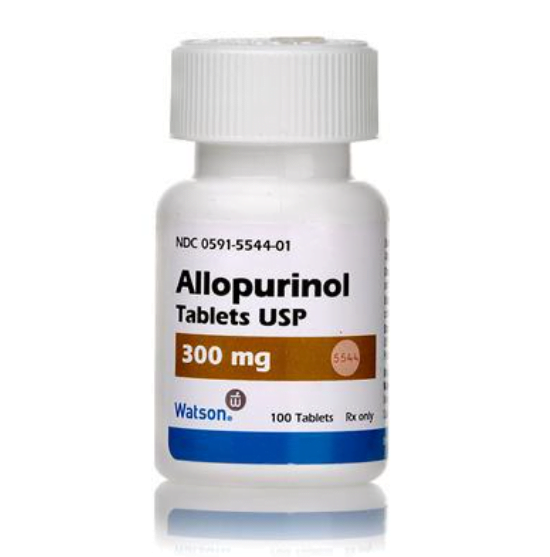
Educational content often mentions acute kidney injury tumor lysis syndrome risks. It may also mention phosphate binders tumor lysis as a supportive option. Some sources discuss hydration protocol tumor lysis syndrome concepts. Others mention urate-lowering medicines used for prevention. Examples include allopurinol prophylaxis and rasburicase prophylaxis.
- Do not treat online summaries as individualized instructions.
- Confirm whether a source addresses pediatric tumor lysis syndrome differences.
- Note whether it defines “tumor lysis syndrome algorithm” as a hospital pathway.
- Check that it separates prevention framing from active treatment framing.
- Use reputable sources that cite recognized criteria and lab thresholds.
Access and Prescription Requirements
Some supportive medicines discussed in cancer care require a prescription. Availability depends on clinical appropriateness and setting. Hospitals often manage urgent prevention and monitoring directly. Outpatient planning may involve shared decisions across oncology and primary care.
When appropriate, clinicians can coordinate prescriptions through partner pharmacies under state rules.
Medication access typically includes verification steps for safety. Pharmacies may confirm identity, allergies, and current medication lists. Prescription-only items require licensed dispensing in the United States. Some services also support cash-pay options, often without insurance, when that fits the care plan.
- Keep an updated medication list, including supplements and PRN items.
- Bring recent lab summaries if a clinician requests them.
- Ask how refills work when care transitions between clinics.
- Check whether monitoring happens at a clinic, lab site, or hospital.
Related Resources
Some people browse similar condition collections for context. This can help with terminology and care coordination. These pages are not substitutes for oncology guidance. They can help with navigation and shared-language planning.
- Gastrointestinal Stromal Tumor
- Pancreatic Neuroendocrine Tumor
- Tuberous Sclerosis Brain Tumor
- Cushing’s Syndrome
- Hypereosinophilic Syndrome
For quick orientation, this page also summarizes tumor lysis syndrome management language. It highlights how teams describe tumor lysis syndrome prevention versus response planning. It can support clearer conversations during care transitions and follow-ups.
This content is for informational purposes only and is not a substitute for professional medical advice.

Find suitable medication for Tumor Lysis Syndrome
Book a telehealth visit to discuss Tumor Lysis Syndrome
Find a doctor
Speciality
State

Video Visit
$69

Video Visit
$69

Video Visit
$69

Video Visit
$69

Video Visit
$69

Video Visit
$69

Speciality: Dermatology, Family Medicine, Men's Health, Urgent Care, Women's health
Speaks: English, Spanish, French, Arabic, Portuguese
Video Visit
$69

Video Visit
$69

Video Visit
$69

Video Visit
$69

Video Visit
$69

Video Visit
$69
Frequently Asked Questions
What is included on this category page?
This category page groups practical information and related browse links. It focuses on common terms that appear in care plans and lab reports. It may include background on definitions, risk factors, and how clinicians describe lab-only versus symptom-based cases. It also links to other Medispress condition collections and telehealth preparation content. The page is meant to support organized reading and better questions for clinicians.
What is the difference between laboratory and clinical tumor lysis syndrome?
Clinicians often separate lab changes from symptoms or organ effects. Laboratory tumor lysis syndrome usually refers to specific shifts in labs, like uric acid or potassium. Clinical tumor lysis syndrome adds clinical consequences, such as kidney injury or heart rhythm concerns. Many resources reference the Cairo Bishop criteria to keep definitions consistent. A treating oncology team decides what the labels mean in a specific case.
Which labs are commonly tracked in tumor lysis syndrome discussions?
Resources commonly mention uric acid, potassium, phosphate, calcium, and kidney markers. These values help teams assess risk and response to treatment. Terms like hyperuricemia, hyperkalemia, and hyperphosphatemia describe high lab levels. Hypocalcemia describes low calcium, which may occur alongside high phosphate. Clinicians interpret trends in context, including cancer type, treatment timing, and other medical conditions.
How do prescriptions work through Medispress for supportive medications?
Medispress supports video visits with licensed U.S. clinicians in a secure app. Clinicians make all medical decisions, including whether a prescription is appropriate. When clinically appropriate, prescriptions may be coordinated through partner pharmacies, based on state rules. Prescription items require standard verification and licensed dispensing. This page is informational and cannot replace an individualized oncology care plan.
Can children develop tumor lysis syndrome?
Yes, pediatric tumor lysis syndrome is a recognized topic in oncology care. Some childhood cancers and treatment plans can involve higher risk periods. Educational resources may highlight differences in monitoring approaches, care settings, and communication needs. Pediatric decisions often involve a specialized oncology team and hospital protocols. Families may find it helpful to track terminology, lab names, and questions for rounds and follow-ups.