


Hypereosinophilic Syndrome
Care Options for Hypereosinophilic Syndrome
Browse this collection for practical information about Hypereosinophilic Syndrome and common care pathways. It brings together plain-language explanations and clinical terms seen in records. Topics often include eosinophilia (high eosinophil levels) and possible organ effects. The goal is to support informed browsing, questions, and next-step planning.
Hypereosinophilic conditions relate to persistently elevated eosinophils, a type of white blood cell. Clinicians often track the absolute eosinophil count and trends over time. They also consider what else could raise eosinophils, including allergies, infections, or medications. When eosinophils are linked to tissue damage, the discussion may shift toward complications and long-term management.
Hypereosinophilic Syndrome: What You’ll Find
This category page focuses on the kinds of details people commonly need first. That includes terminology, typical documentation, and how resources are organized on Medispress. Some pages focus on medications that may be discussed in care. Others help clarify phrases like “differential diagnosis” (what else could explain findings).
Expect both medical language and plain explanations. For example, pulmonary eosinophilia (eosinophil-related lung inflammation) may be mentioned alongside shortness of breath. Dermatologic manifestations (skin findings) may be described with rash or itching. Gastrointestinal eosinophilic disease can appear as stomach pain or swallowing issues.
Care is delivered by licensed U.S. clinicians in video visits.
- Condition basics and commonly used clinical terms
- High-level overview of hypereosinophilic syndrome types
- Medication reference pages, when available in this collection
- Administrative notes about prescriptions and documentation
How to Choose
When comparing pages in this collection, the most useful frame is purpose. Some content supports vocabulary and expectations. Other content helps interpret how clinicians categorize findings. For Hypereosinophilic Syndrome, that distinction matters because “type” can change the workup and treatment discussion.
Comparing terminology and “types”
Several labels may appear in notes. They describe patterns that clinicians consider, not self-diagnosis categories. A few common terms are listed here with plain-language context.
| Term that may appear | What it generally refers to | Why it can matter |
|---|---|---|
| Myeloproliferative hypereosinophilic syndrome | Bone marrow–driven eosinophilia (blood-cell production issue) | May prompt genetic testing discussions and targeted options |
| Lymphocytic hypereosinophilic syndrome | Immune-cell–driven signaling that raises eosinophils | May shift focus toward immune evaluation and monitoring |
| Idiopathic hypereosinophilic syndrome | No clear cause found after evaluation | Often emphasizes ongoing follow-up and symptom tracking |
Practical decision checklist for browsing
- Look for clear definitions of hypereosinophilic syndrome symptoms and warning signs.
- Prefer pages that separate hypereosinophilic syndrome causes from risk factors.
- Check whether hypereosinophilic syndrome diagnosis topics include ruling out secondary causes.
- Note whether the page mentions cardiac involvement (heart complications) as a risk area.
- Use pages that cite labeling or guidelines when medications are discussed.
- For visit planning, prioritize content explaining records and verification steps.
Quick tip: Use site search to compare terms like “eosinophilia workup” across pages.
Safety and Use Notes
Information about hypereosinophilic syndrome treatment can be confusing because options depend on cause and organ involvement. Some care plans focus on reducing eosinophils quickly. Others focus on preventing flare-ups and limiting complications. A clinician weighs benefits and risks based on history and current findings.
Medication classes discussed in this space may include steroid therapy for eosinophilia (anti-inflammatory medicines). Targeted therapy can be relevant for specific findings, such as a FIP1L1-PDGFRA mutation. In those cases, clinicians may discuss imatinib for hypereosinophilic syndrome as an option. Biologic medicines are also part of many modern discussions, including mepolizumab hypereosinophilic syndrome care in selected patients.
Visits take place in a secure, HIPAA-compliant mobile app.
Why it matters: Some complications can progress quietly, especially heart involvement.
- Do not change prescriptions based on online summaries alone.
- Report new chest pain, fainting, or severe breathing problems urgently.
- Ask how monitoring is handled when symptoms change between visits.
- Confirm whether a medication is on-label for the condition discussed.
- Review allergy history and prior reactions before any new therapy.
For approved use details, review the FDA drug labeling database for the specific product.
Access and Prescription Requirements
Access steps for Hypereosinophilic Syndrome care usually start with documentation. Prescriptions require a clinician’s evaluation and an appropriate medical rationale. For many people, having recent lab summaries and specialist notes helps reduce back-and-forth. Medispress can be used for cash-pay visits, often without insurance, when that approach fits the situation.
Prescription processing also has administrative safeguards. Pharmacies may verify prescriber credentials and confirm patient identifiers. Some medications have extra requirements, depending on state rules and dispensing policies. Cash-pay options, often without insurance, can be part of the discussion when coverage is uncertain.
When appropriate, clinicians can route prescriptions to partner pharmacies under state rules.
- Clinical review determines whether any prescription is appropriate.
- Some therapies require prior records before a decision is made.
- Identity and prescription verification may be required for dispensing.
- Availability and routing can vary by state regulations and pharmacy networks.
- Follow-up may be recommended when symptoms or counts change.
Related Resources
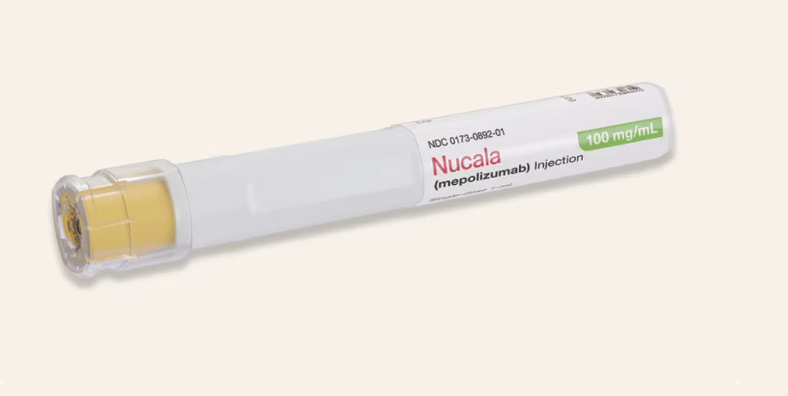
This collection also supports deeper reading for planning and patient education. For example, medication pages can help clarify what a therapy is used for, and what questions to bring to a clinician. If mepolizumab is being discussed in context, the Nucala Pre-Filled Auto-Injector page may help with basic medication context and terminology. For a plain-language overview, see NIH GARD resources on rare diseases.
When reading about prognosis, remember that hypereosinophilic syndrome prognosis varies by cause and organ involvement. Sources may also discuss hypereosinophilic syndrome pathophysiology (how the condition affects the body) and hypereosinophilic syndrome complications. If a page mentions hypereosinophilic syndrome guidelines, check the date and the group issuing them. New research can change recommendations over time.
This content is for informational purposes only and is not a substitute for professional medical advice.

Find suitable medication for Hypereosinophilic Syndrome
Book a telehealth visit to discuss Hypereosinophilic Syndrome
Find a doctor
Speciality
State

Video Visit
$69

Video Visit
$69

Video Visit
$69

Video Visit
$69

Video Visit
$69
Meet Dr. Priya Asija: Board-Certified Family Physician and Wound Care Specialist Committed to Comprehensive CarePriya Asija is a board-certified Family Medicine physician and Wound Care Specialist with more than 15 years of experience. Her work includes primary care, urgent care-style visits, telemedicine, and advanced wound management. She holds a Wound Care Certification (WCC) through NAWCO, is credentialed in hyperbarics, and maintains BLS and ACLS certifications. She is licensed to practice in Texas, Florida, Pennsylvania, Wisconsin, Alabama, Arizona and Illinois.Dedicated to delivering high-quality, patient-centered care, Dr. Asija treats a wide range of acute and chronic medical conditions, provides preventive services, and specializes in wound care and hyperbaric medicine. She is the owner of Brookfield Family Practice, division of SAAK Health Care, partner at SAAK Wound Care Clinic and Hyperbarics, and serves as Medical Director for Wisconsin Wound Pros. Her services include primary care visits, urgent care management, wound evaluations, hyperbaric therapy oversight, telemedicine consultations, and prescription refill appointments when medically appropriate to support continuity of care.Fluent in English, Dr. Asija combines strong clinical expertise with compassionate communication. She collaborates closely with patients and interdisciplinary teams to promote healing, preventive health, and long-term wellness, ensuring accessible and comprehensive care across the states in which she practices.
Read Bio
Speciality: Family Medicine
Speaks: English
Video Visit
$69

Video Visit
$69

Video Visit
$69

Video Visit
$69

Video Visit
$69

Video Visit
$69
Frequently Asked Questions
What will I see on this Hypereosinophilic Syndrome category page?
This browse page groups condition-focused resources in one place. It may include medication reference pages, terminology explanations, and access notes. The goal is to make it easier to compare information without jumping around. Some items focus on symptoms and complications. Others explain how clinicians describe “types” and possible causes. If a relevant medication page exists, it can clarify what the drug is and how it is prescribed.
What is a high eosinophil count, and how is it measured?
Eosinophils are a type of white blood cell. A high eosinophil count means there are more eosinophils than expected in blood. Many labs report an absolute eosinophil count, which is a specific number. Clinicians interpret that value with symptoms, timing, and other labs. Many conditions can raise eosinophils, including allergies and infections. A single result rarely explains the full picture without context.
How is hypereosinophilic syndrome diagnosed?
Diagnosis usually involves confirming persistent eosinophilia and assessing organ involvement. Clinicians also work through a differential diagnosis to rule out secondary causes. That process is often called an eosinophilia workup. It may include review of medications, travel or exposure history, and prior lab trends. In some cases, genetic testing is discussed, including checks for the FIP1L1-PDGFRA mutation. Specialists may be involved when heart, lung, skin, or gastrointestinal symptoms are present.
Which treatments are commonly discussed for hypereosinophilic syndrome?
Treatment discussions depend on the cause, severity, and affected organs. Steroid therapy is often discussed as an anti-inflammatory option. Targeted therapy can be considered when a specific mutation is present, such as FIP1L1-PDGFRA, where imatinib may be relevant. Biologic medicines can also be part of care for selected patients, including mepolizumab. A clinician decides what is appropriate and reviews risks, monitoring, and expected follow-up.
When is urgent evaluation important for eosinophilia-related symptoms?
Urgent evaluation is important when symptoms suggest organ involvement or severe inflammation. Examples include chest pain, fainting, new severe shortness of breath, or sudden weakness. Severe allergic reactions, swelling of the face or throat, or trouble breathing also warrant emergency care. Clinicians are cautious about cardiac involvement because it can be serious. If symptoms rapidly worsen, emergency services are the safest setting for immediate assessment.