


Pancreatic Neuroendocrine Tumor
Care Options for Pancreatic Neuroendocrine Tumor
A Pancreatic Neuroendocrine Tumor (sometimes called pancreatic NET or pNET) can raise many questions fast. This category page gathers practical information and related listings in one place. It focuses on common terms, typical tests, and care pathways people may hear about. It also highlights how prescriptions and refills can work across different settings. Use it to compare topics, save links, and build a clearer checklist for visits.
This collection is written for patients and caregivers managing appointments, records, and next steps. It does not replace oncology or specialty care. It aims to make the language of pNETs easier to navigate.
Pancreatic Neuroendocrine Tumor What You’ll Find
This page brings together key concepts that often shape a pancreatic NET plan. Many pNET discussions include symptoms, imaging, pathology, and treatment categories. The goal here is clarity, so terms feel less like shorthand. It also helps when organizing records across more than one clinic.
Expect plain-language explanations alongside clinical terms. That includes functional vs nonfunctional pNETs, tumor staging, and pancreatic neuroendocrine tumor grading Ki-67 (a lab marker tied to how fast cells divide). It also covers pancreatic neuroendocrine tumor biomarkers like chromogranin A, which clinicians may track in some situations.
Why it matters: Small wording differences can change what questions get asked next.
Medispress visits happen by secure video in our HIPAA-aligned app.
- Common pNET types and hormone-related syndromes
- Pancreatic neuroendocrine tumor symptoms and red-flag patterns
- Pancreatic neuroendocrine tumor diagnosis steps and typical reports
- Pancreatic neuroendocrine tumor imaging terms, including Ga-68 DOTATATE PET scan
- Pancreatic neuroendocrine tumor treatment options, explained at a high level
- Notes on metastatic pancreatic neuroendocrine tumor liver involvement and follow-up language
How to Choose
People often compare options by goal and timeline. Some choices focus on controlling hormone symptoms. Others focus on slowing tumor growth or managing spread. This section helps frame those conversations without prescribing a path.
Quick tip: Keep one folder for scans, labs, and pathology summaries.
Match terms to the clinical question
- Ask how the team defines functional vs nonfunctional pNETs for this case.
- Note hormone-related names like insulinoma, gastrinoma, glucagonoma, VIPoma, and somatostatinoma.
- Track which symptom patterns drive testing, not just scan results.
- Clarify whether symptoms suggest excess hormones, blockage, or inflammation.
- Confirm which biomarkers matter, and which are optional.
Understand what reports usually include
- Pathology basics, including grade and pancreatic neuroendocrine tumor grading Ki-67.
- Stage language, such as localized, regional, or metastatic patterns.
- Imaging names like CT, MRI, endoscopic ultrasound, and DOTATATE-based PET.
- Key scan comparisons, including “stable,” “response,” or “progression.”
- How often reports recommend follow-up imaging, when appropriate.
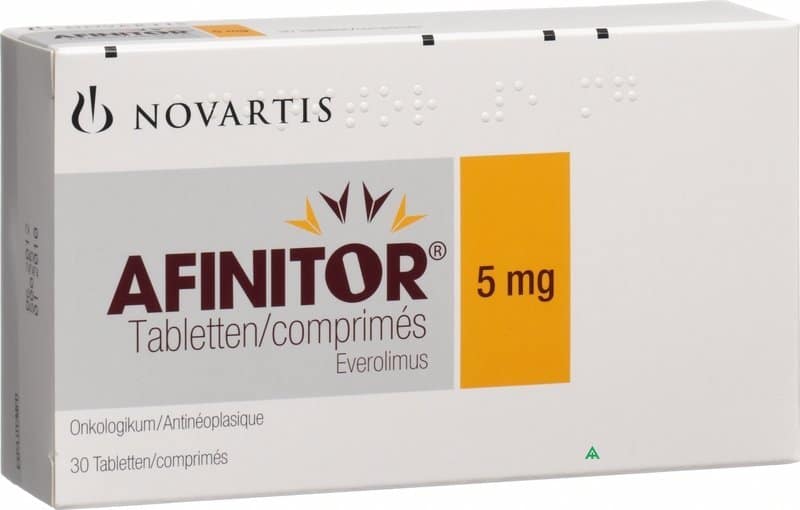
It can also help to list the main treatment categories. Surgery discussions may include Whipple procedure for pNET, smaller resections, or tumor enucleation (removal of the tumor alone). Medication discussions may include somatostatin analogs octreotide lanreotide for symptom control or growth signaling. Some plans discuss PRRT lutetium-177 dotatate for pNET, or targeted therapy everolimus sunitinib, depending on tumor features.
Safety and Use Notes
Care for pancreatic NETs can involve several specialists. That may include oncology, endocrine, gastroenterology, and surgery teams. Medication choices can also differ when tumors are functional. Hormone symptoms can affect blood sugar, stomach acid, or fluid balance.
Licensed U.S. clinicians review history and decide what care fits.
- Functional tumors can cause sudden symptoms that need urgent assessment.
- Nonfunctional tumors may show few symptoms until later imaging.
- Side effects vary by therapy class, monitoring plan, and other conditions.
- Some therapies require lab checks or imaging to track safety.
- Ask how new symptoms should be reported, and where to report them.
Pancreatic Neuroendocrine Tumor discussions may also include prognosis and survival rates. Those numbers can differ by stage, grade, and tumor biology. Teams often interpret them using individual factors, not averages. For background explanations, see the National Cancer Institute pNET treatment PDQ or the American Cancer Society overview of pancreatic neuroendocrine tumors.
Access and Prescription Requirements
Some supportive medicines require a prescription. Pharmacies also verify prescriptions before dispensing, and rules vary by state. In some cases, prior authorization may be part of the process. Some people use cash-pay options, often without insurance, when that fits.
When appropriate, clinicians can send prescriptions to partner pharmacies, following state rules.
- Keep an up-to-date medication list, including supplements and allergies.
- Have recent labs, imaging dates, and pathology notes ready to reference.
- Confirm the preferred pharmacy and its contact details before requests.
- Ask which clinician manages refills, especially during treatment changes.
- Document side effects and timing, since it supports safe review.
Pancreatic Neuroendocrine Tumor care may include non-drug steps too. That might involve nutrition support, symptom tracking, or referrals for procedures. Some teams also discuss pancreatic neuroendocrine tumor clinical trials. Trial eligibility often depends on stage, grade, and prior therapies. Keeping records organized can reduce delays when screening starts.
Related Resources
If broader pancreas topics come up, related condition pages can help with comparison. Browse Pancreatic Cancer to see overlapping terms and care pathways. Explore Exocrine Pancreatic Insufficiency for digestive symptom context and common supportive approaches.
Pancreatic Neuroendocrine Tumor records often include scan reports, lab trends, and visit notes. Keeping those items together supports clearer second opinions. It also helps when care moves between hospitals and outpatient clinics. This page is meant to stay practical and easy to scan.
This content is for informational purposes only and is not a substitute for professional medical advice.

Find suitable medication for Pancreatic Neuroendocrine Tumor

Book a telehealth visit to discuss Pancreatic Neuroendocrine Tumor
Find a doctor
Speciality
State

Video Visit
$69

Video Visit
$69

Video Visit
$69

Video Visit
$69

Video Visit
$69
Meet Dr. Priya Asija: Board-Certified Family Physician and Wound Care Specialist Committed to Comprehensive CarePriya Asija is a board-certified Family Medicine physician and Wound Care Specialist with more than 15 years of experience. Her work includes primary care, urgent care-style visits, telemedicine, and advanced wound management. She holds a Wound Care Certification (WCC) through NAWCO, is credentialed in hyperbarics, and maintains BLS and ACLS certifications. She is licensed to practice in Texas, Florida, Pennsylvania, Wisconsin, Alabama, Arizona and Illinois.Dedicated to delivering high-quality, patient-centered care, Dr. Asija treats a wide range of acute and chronic medical conditions, provides preventive services, and specializes in wound care and hyperbaric medicine. She is the owner of Brookfield Family Practice, division of SAAK Health Care, partner at SAAK Wound Care Clinic and Hyperbarics, and serves as Medical Director for Wisconsin Wound Pros. Her services include primary care visits, urgent care management, wound evaluations, hyperbaric therapy oversight, telemedicine consultations, and prescription refill appointments when medically appropriate to support continuity of care.Fluent in English, Dr. Asija combines strong clinical expertise with compassionate communication. She collaborates closely with patients and interdisciplinary teams to promote healing, preventive health, and long-term wellness, ensuring accessible and comprehensive care across the states in which she practices.
Read Bio
Speciality: Family Medicine
Speaks: English
Video Visit
$69

Video Visit
$69

Video Visit
$69

Video Visit
$69

Video Visit
$69

Video Visit
$69
Frequently Asked Questions
What does this category page include?
This category page focuses on navigation and terminology for pancreatic NETs. It highlights common phrases seen in clinic notes, scan reports, and pathology summaries. It also summarizes broad treatment categories, without recommending any option. Some listings may relate to prescription needs, symptom support, or follow-up planning. Use it to compare terms, save references, and prepare questions for a care team.
What do pNET and pancreatic NET mean?
Both terms refer to neuroendocrine tumors that start in the pancreas. Clinicians may write pancreatic NET or pNET as shorthand. These tumors differ from the more common exocrine pancreatic cancers. Neuroendocrine tumors can behave in many ways, based on grade, stage, and hormone activity. Reports may mention markers like Ki-67 and chromogranin A, which help describe tumor biology.
How are functional and nonfunctional pNETs different?
Functional pNETs make hormones that can cause noticeable symptoms. Examples include insulinoma, gastrinoma, glucagonoma, VIPoma, and somatostatinoma. Nonfunctional pNETs do not cause a clear hormone syndrome. They may be found on imaging or after symptoms from growth or spread. This distinction can affect which labs get checked and which symptoms matter most during follow-up.
Can telehealth help with care coordination for pancreatic NETs?
Telehealth can support record review, medication reconciliation, and planning questions for specialist visits. Medispress offers video visits with licensed U.S. clinicians in a secure, HIPAA-aligned app. Clinicians make independent clinical decisions during the visit. When clinically appropriate, a clinician may coordinate prescription options through partner pharmacies, based on state rules. Telehealth does not replace urgent evaluation or specialty oncology care.
What should be done if severe symptoms happen?
Some symptoms need urgent evaluation, regardless of diagnosis status. Examples include severe abdominal pain, fainting, confusion, black stools, vomiting blood, trouble breathing, or signs of very low blood sugar. New jaundice (yellow skin or eyes) also deserves prompt assessment. For these situations, seek emergency care or call local emergency services. For non-urgent changes, document timing and share details with the treating team.