


Peptic Ulcer Disease
Care Options for Peptic Ulcer Disease
Peptic Ulcer Disease can feel confusing, especially when pain comes and goes. This category page helps patients and caregivers browse common care paths. It also helps compare medication types and supporting resources. Use it to get oriented before scheduling care or refilling prescriptions.
A peptic ulcer is an open sore in the digestive lining. A stomach ulcer is also called a gastric ulcer. A duodenal ulcer forms in the first part of the small intestine. Common ulcer causes include H. pylori infection and NSAID induced ulcer risk. NSAIDs are nonsteroidal anti-inflammatory drugs (pain relievers) like ibuprofen and naproxen.
Medispress visits are flat-fee video appointments with licensed U.S. clinicians.
Peptic Ulcer Disease: What You’ll Find
This collection focuses on practical, browse-friendly information. It covers peptic ulcer symptoms, common triggers, and typical next steps. It also outlines how clinicians approach ulcer diagnosis and follow-up. Some evaluations, like endoscopy for ulcers, happen in person.
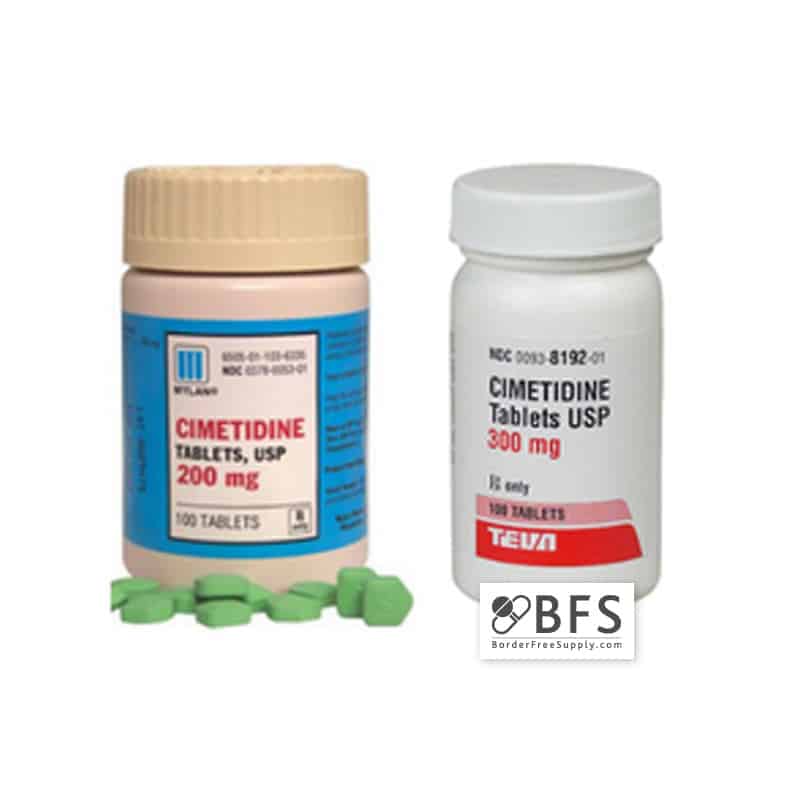
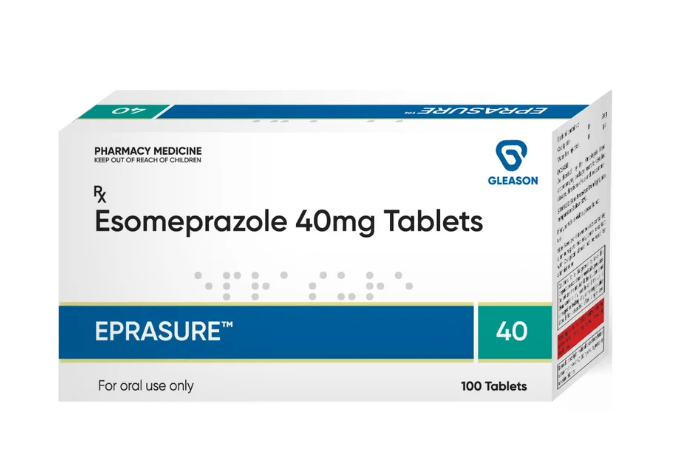
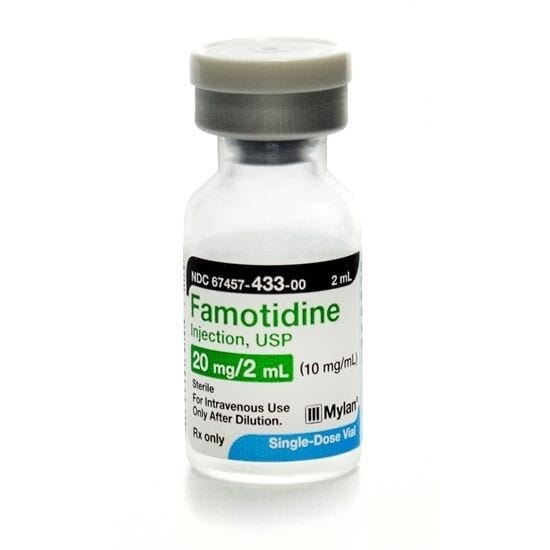
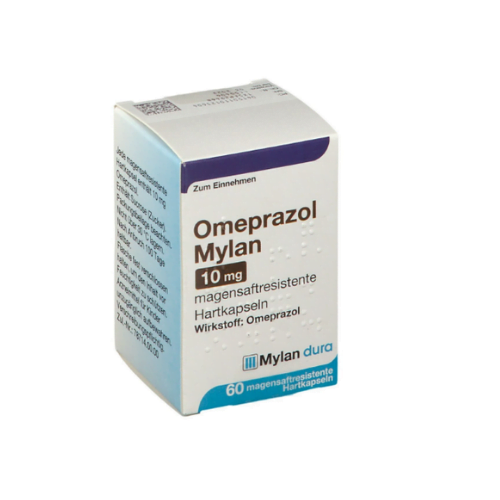
Medication information often includes what a drug class is for, and what to ask about. Many people compare proton pump inhibitors (acid suppressors) and H2 blockers (acid reducers). When H. pylori is involved, antibiotic therapy for H. pylori may be considered. Some regimens include bismuth quadruple therapy (a four-medicine H. pylori regimen). This page keeps those terms plain and easy to scan.
- Plain-language explanations of stomach and duodenal ulcer types
- Common symptom patterns, including epigastric pain (upper-middle belly pain)
- Risk factors like NSAID use, smoking, and older age
- High-level overview of testing options and what they mean
- Medication class basics and refill considerations
- Warning signs that may need urgent evaluation
How to Choose
People browse Peptic Ulcer Disease resources for different reasons. Some want to understand pain patterns. Others need help sorting reflux from ulcer pain. This section highlights details that often matter when comparing options.
Quick tip: Keep a current medication list ready for check-in and refills.
Match the information to the situation
- Symptom timing and pattern, including night pain or post-meal discomfort
- Any black, tarry stools or vomiting that looks like coffee grounds
- Current or recent NSAID use and any steroid medicines
- History of H. pylori infection, ulcers, or recurrent peptic ulcer concerns
- Other conditions that shape risk, including peptic ulcer in older adults
- Whether symptoms fit gastritis vs ulcer or GERD vs ulcer questions
Compare medication resources with the right lens
- Prescription status versus over-the-counter availability for acid reducers
- Potential interactions, especially with blood thinners and antiplatelet drugs
- How long a course is typically discussed, without focusing on doses
- Common side effects that may affect adherence and daily routines
- Follow-up needs when symptoms persist or return after treatment
Visits take place in our secure, HIPAA-compliant app.
Safety and Use Notes
Some symptoms suggest a higher risk situation. Bleeding ulcer signs can include weakness, dizziness, or dark stools. A perforated ulcer (a hole through the stomach or intestine wall) can cause sudden severe pain. These peptic ulcer complications may need urgent, in-person evaluation.
Why it matters: Early evaluation can reduce the risk of serious blood loss.
Safety topics also include medication mix-ups and hidden risk factors. NSAIDs can increase ulcer risk, even at typical pain-relief doses. Alcohol can worsen irritation in some people and complicate symptoms. For a neutral overview of symptoms and causes, see guidance from NIDDK on peptic ulcers. For background on infection-related ulcers, see MedlinePlus on H. pylori.
- Seek urgent help for fainting, chest pain, or severe persistent abdominal pain
- Report new bleeding symptoms, especially with anticoagulant medicines
- Ask about safer pain options if NSAIDs are being used often
- Clarify whether nausea, bloating, or reflux may point to another cause
- Discuss food triggers if peptic ulcer diet questions are a priority
Access and Prescription Requirements
Medication access for Peptic Ulcer Disease depends on the drug type and local rules. Some acid reducers are available over the counter. Others require a prescription and pharmacy verification. Antibiotics and combination therapies for H. pylori are prescription-only. A clinician reviews the situation and documents the plan.
Many patients prefer cash-pay options, often without insurance, for simpler checkout. Prescription fulfillment still follows standard safeguards. Pharmacies dispense prescription medicines under state and federal requirements. Refills may require updated clinical information or a visit, depending on the medication.
When appropriate, clinicians can coordinate prescriptions through partner pharmacies under state rules.
- Have an up-to-date medication list, including OTC pain relievers
- Note allergies and prior reactions to antibiotics or bismuth products
- Track timing of symptoms, meals, and possible triggers
- Share any prior endoscopy results or H. pylori testing history, if available
Related Resources
For nearby topics and comparisons, browse the Peptic Ulcer collection and the GERD Condition Page. If symptoms overlap with other digestive conditions, the Inflammatory Bowel Disease page can help with terminology. For infection context, explore Infectious Disease Topics and the Infectious Diseases specialty browse page. For ongoing care planning, see Chronic Disease Management. For everyday support, review Benefits Of Hydration and Healthy Living And Longevity.
This content is for informational purposes only and is not a substitute for professional medical advice.

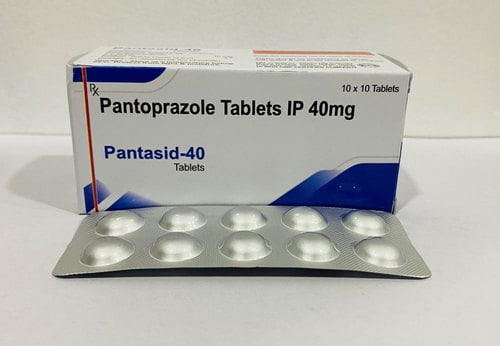
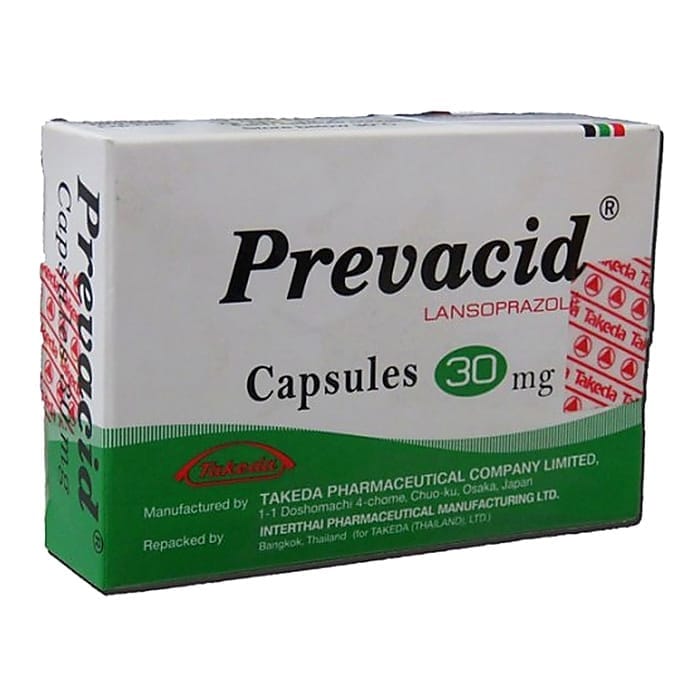
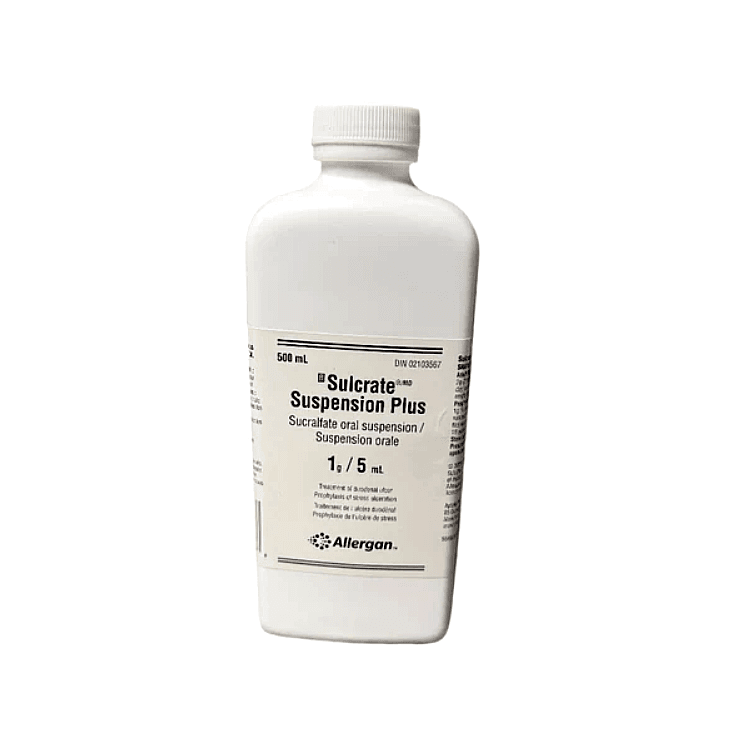
Find suitable medication for Peptic Ulcer Disease


Book a telehealth visit to discuss Peptic Ulcer Disease
Find a doctor
Speciality
State

Video Visit
$69

Video Visit
$69

Video Visit
$69

Video Visit
$69

Video Visit
$69
Meet Dr. Priya Asija: Board-Certified Family Physician and Wound Care Specialist Committed to Comprehensive CarePriya Asija is a board-certified Family Medicine physician and Wound Care Specialist with more than 15 years of experience. Her work includes primary care, urgent care-style visits, telemedicine, and advanced wound management. She holds a Wound Care Certification (WCC) through NAWCO, is credentialed in hyperbarics, and maintains BLS and ACLS certifications. She is licensed to practice in Texas, Florida, Pennsylvania, Wisconsin, Alabama, Arizona and Illinois.Dedicated to delivering high-quality, patient-centered care, Dr. Asija treats a wide range of acute and chronic medical conditions, provides preventive services, and specializes in wound care and hyperbaric medicine. She is the owner of Brookfield Family Practice, division of SAAK Health Care, partner at SAAK Wound Care Clinic and Hyperbarics, and serves as Medical Director for Wisconsin Wound Pros. Her services include primary care visits, urgent care management, wound evaluations, hyperbaric therapy oversight, telemedicine consultations, and prescription refill appointments when medically appropriate to support continuity of care.Fluent in English, Dr. Asija combines strong clinical expertise with compassionate communication. She collaborates closely with patients and interdisciplinary teams to promote healing, preventive health, and long-term wellness, ensuring accessible and comprehensive care across the states in which she practices.
Read Bio
Speciality: Family Medicine
Speaks: English
Video Visit
$69

Video Visit
$69

Video Visit
$69

Video Visit
$69

Video Visit
$69

Video Visit
$69
Frequently Asked Questions
What is a peptic ulcer, and how is it different from gastritis?
A peptic ulcer is a sore in the lining of the stomach or duodenum. It can cause burning or gnawing upper abdominal pain. Gastritis means inflammation of the stomach lining, not necessarily a sore. The symptoms can overlap, including nausea, bloating, or discomfort after meals. Clinicians often separate them using history, risk factors like NSAIDs, and sometimes in-person testing. The difference matters because treatment and follow-up may vary.
What information helps when scheduling a visit for ulcer-like symptoms?
When scheduling, it helps to gather a short symptom timeline and key details. Include when pain occurs, what makes it better or worse, and any night symptoms. List all medicines, including NSAIDs, aspirin, and supplements. Note prior ulcer history, H. pylori history, and any recent antibiotics. Also flag warning signs like black stools, vomiting blood, fainting, or severe persistent pain. Those details help route the visit safely and efficiently.
What medicines are commonly discussed for peptic ulcers?
Clinicians often discuss acid-suppressing medicines and, when needed, infection treatment. Proton pump inhibitors reduce stomach acid and support healing. H2 blockers also reduce acid, but work differently. If H. pylori is suspected or confirmed, antibiotic combinations may be used. Some regimens include bismuth as part of a multi-drug plan. The best option depends on history, other medicines, allergies, and whether symptoms suggest complications.
What are urgent warning signs of ulcer complications?
Urgent warning signs can include vomiting blood or material that looks like coffee grounds. Black, tarry stools can also suggest bleeding. Severe, sudden abdominal pain, a rigid abdomen, or fainting can signal a serious complication. Chest pain, shortness of breath, and severe weakness also need prompt evaluation. These symptoms can have many causes, but they should not wait for routine follow-up. Emergency services or urgent in-person care may be appropriate.
Can prescriptions be coordinated through Medispress?
Medispress connects patients with licensed U.S. clinicians through video visits in a secure app. The clinician evaluates the concern and makes the clinical decision. When medication is appropriate, the clinician may coordinate prescription options through partner pharmacies. Pharmacy fulfillment depends on state rules and medication requirements. Some items may be available over the counter, while prescription-only medicines require standard pharmacy verification. Availability can vary by location and clinical details.