


Inflammatory Bowel Disease
Care Options for Inflammatory Bowel Disease
Browse this collection for Inflammatory Bowel Disease information and related care options. It supports patients and caregivers who want clear, practical context.
IBD is an umbrella term for Crohn’s disease and ulcerative colitis. Symptoms can come and go, and plans often change over time.
This browse page is built for comparison and planning. It can help organize questions for a clinician visit.
Inflammatory Bowel Disease: What You’ll Find
This category page brings together resources that commonly matter with IBD. It includes condition-aligned collections and educational reading.
Expect plain-language explanations of common terms like remission (low or no active inflammation) and maintenance therapy (ongoing prevention). Many people also look for context on IBD vs IBS, where IBS means irritable bowel syndrome. For a plain-language overview, see the Crohn’s & Colitis Foundation.
Medispress telehealth visits are completed by video with licensed U.S. clinicians.
- Key terms, definitions, and common care pathways
- General medication categories and monitoring concepts
- Navigation to related inflammatory condition collections
- Guides that support everyday planning and follow-up
For broader browsing, see Inflammatory Conditions and Inflammatory Disorders. These collections can help compare overlapping symptoms and care approaches.
How to Choose
Inflammatory bowel conditions vary by location and severity. Matching the right resources starts with clear, shared definitions.
Inflammatory Bowel Disease discussions often include symptoms, past treatments, and goals. Those goals can include symptom control, fewer flares, and durable remission.
Crohn’s vs ulcerative colitis basics
Crohn’s disease can affect any part of the digestive tract. Ulcerative colitis involves the colon and rectum.
- Symptoms that are most disruptive day to day
- Flare patterns, including known triggers and warning signs
- Past reactions to medications, including allergies and side effects
- History of hospitalization, surgery, strictures, or fistulas
- Other health conditions that may affect medication choices
Tracking symptoms and appointments
Good documentation can reduce repeat questions during follow-up. It also helps clinicians compare “baseline” to a flare.
- Stool frequency changes, bleeding, and nighttime symptoms
- Abdominal pain patterns and unplanned weight changes
- Fatigue, fever, or appetite changes that limit daily activities
- Extraintestinal symptoms, like joint pain or skin changes
- Current medication list, including supplements and NSAIDs
Quick tip: Keep a short timeline of symptoms and prior treatments.
Safety and Use Notes
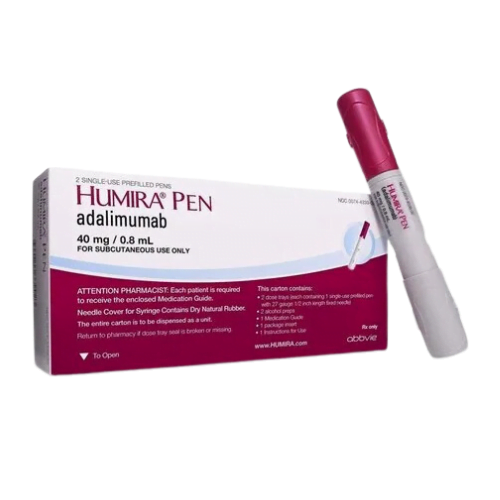
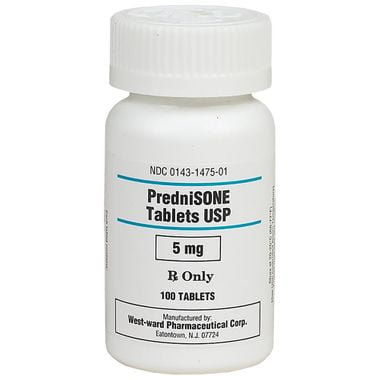
IBD treatment options can include anti-inflammatory drugs, steroids, immunosuppressants (immune-system dampeners), biologic therapy (targeted immune medicines), and small-molecule therapies. Plans may also include surgery, such as colectomy and ileostomy, when medically needed.
Safety discussions for Inflammatory Bowel Disease often focus on infection risk, vaccination timing, and lab monitoring. Clinicians also consider pregnancy plans, pediatric needs, and mental health support.
Appointments run in a secure, HIPAA-compliant app for clinical communication.
- Know which symptoms suggest dehydration or significant blood loss
- Ask how to handle missed doses and refill timing
- Review interactions, including steroids and anticoagulants
- Discuss screening needs tied to long-term inflammation
- Plan for travel, school, and work accommodations when needed
Why it matters: New symptoms can reflect inflammation, infection, or medication effects.
For diagnosis and treatment basics, review the NIDDK IBD overview. It explains common evaluation steps and long-term follow-up.
Access and Prescription Requirements
Many therapies used for IBD are prescription-only. Some supportive items may be over the counter, depending on use and labeling.
If a medication requires a prescription, Inflammatory Bowel Disease care should include verification and appropriate clinical review. In many cases, cash-pay access is available, often without insurance.
Clinicians make independent decisions on whether treatment is clinically appropriate.
- Prescription status depends on the medication and state rules
- Identity and prescription details may be verified before dispensing
- Pharmacy fulfillment can be coordinated when clinically appropriate
- Refill eligibility can depend on monitoring and clinician documentation
- Some medications have handling requirements, like refrigeration
For general expectations, see What Telehealth Can Treat. It outlines common telehealth visit uses and limits.
Related Resources
Many people managing chronic conditions also want reliable basics on lifestyle planning. These pages can help compare approaches across conditions.
Use Hypertension Lifestyle Options for a chronic-care framework that translates well to follow-ups. For nutrition reading, Foods To Avoid With Gout shows how food lists need context and personalization. For movement ideas, see Daily Exercises Over 60.
For broader wellness planning, review the Men’s Health Wellness Guide. For medication education examples, see Ozempic Benefits Overview. The goal is better questions and clearer follow-up.
Inflammatory Bowel Disease can affect energy, mood, and daily routines. Support resources and structured follow-up can make planning feel less heavy.
This content is for informational purposes only and is not a substitute for professional medical advice.

Find suitable medication for Inflammatory Bowel Disease
Book a telehealth visit to discuss Inflammatory Bowel Disease
Find a doctor
Speciality
State

Video Visit
$69

Video Visit
$69

Video Visit
$69

Video Visit
$69

Video Visit
$69
Meet Dr. Priya Asija: Board-Certified Family Physician and Wound Care Specialist Committed to Comprehensive CarePriya Asija is a board-certified Family Medicine physician and Wound Care Specialist with more than 15 years of experience. Her work includes primary care, urgent care-style visits, telemedicine, and advanced wound management. She holds a Wound Care Certification (WCC) through NAWCO, is credentialed in hyperbarics, and maintains BLS and ACLS certifications. She is licensed to practice in Texas, Florida, Pennsylvania, Wisconsin, Alabama, Arizona and Illinois.Dedicated to delivering high-quality, patient-centered care, Dr. Asija treats a wide range of acute and chronic medical conditions, provides preventive services, and specializes in wound care and hyperbaric medicine. She is the owner of Brookfield Family Practice, division of SAAK Health Care, partner at SAAK Wound Care Clinic and Hyperbarics, and serves as Medical Director for Wisconsin Wound Pros. Her services include primary care visits, urgent care management, wound evaluations, hyperbaric therapy oversight, telemedicine consultations, and prescription refill appointments when medically appropriate to support continuity of care.Fluent in English, Dr. Asija combines strong clinical expertise with compassionate communication. She collaborates closely with patients and interdisciplinary teams to promote healing, preventive health, and long-term wellness, ensuring accessible and comprehensive care across the states in which she practices.
Read Bio
Speciality: Family Medicine
Speaks: English
Video Visit
$69

Video Visit
$69

Video Visit
$69

Video Visit
$69

Video Visit
$69

Video Visit
$69
Frequently Asked Questions
What does this category page include?
This page brings together browsing links and plain-language education tied to IBD. It may include related condition collections, general care notes, and supporting health guides. The goal is to help patients and caregivers compare information in one place. It is not a personalized plan or a diagnosis tool. For medical decisions, clinicians should review symptoms, history, and test results in context.
What is the difference between IBD and IBS?
IBD stands for inflammatory bowel disease and includes Crohn’s disease and ulcerative colitis. It involves immune-driven inflammation that can damage the digestive tract over time. IBS means irritable bowel syndrome and is usually defined by symptoms without the same inflammatory injury. Symptoms can overlap, like abdominal pain and diarrhea, which can make confusion common. A clinician can help clarify the likely cause and next steps.
Can telehealth be used for IBD follow-up?
Telehealth can be useful for many follow-up needs, such as reviewing symptoms, side effects, and medication questions. It can also support ongoing care planning and coordination with local services. Some situations still require in-person exams or procedures. The right format depends on symptom severity, current treatments, and clinician judgment. Telehealth works best when information is organized and easy to review.
What information is helpful to bring to an appointment?
A short summary often helps the most. Useful items include symptom timing, stool pattern changes, bleeding, weight changes, and triggers noticed during flares. A current medication list matters, including supplements and non-prescription pain medicines. Past treatment history is also helpful, especially prior side effects or allergies. Notes on sleep, stress, and mood can add important context for care planning.
When should urgent evaluation be considered for IBD symptoms?
Some symptoms may need urgent evaluation because they can signal dehydration, severe inflammation, or complications. Examples include severe or worsening abdominal pain, fainting, confusion, persistent vomiting, signs of significant bleeding, or inability to keep fluids down. High fever with severe symptoms can also be concerning, especially with immune-suppressing medications. Local emergency services and on-call clinicians can help guide next steps based on severity.
How do prescription requirements work for IBD-related medications?
Many therapies used for IBD are prescription-only, while some supportive products are over the counter. When a prescription is required, a licensed clinician must evaluate the situation and decide what is appropriate. Pharmacies also verify prescription details before dispensing. Some medications have special handling, storage, or monitoring needs that affect refills. Coverage and payment options vary, and cash-pay access may be available in some cases.