


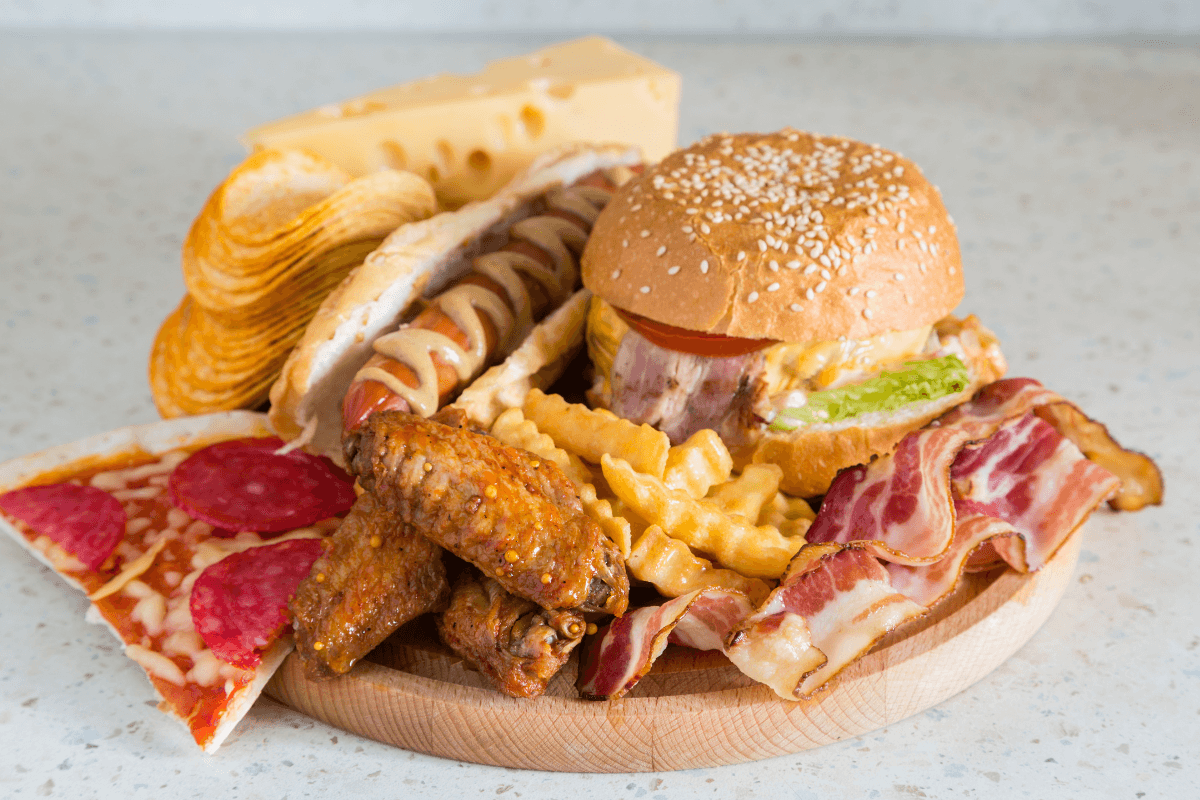


High-purine meats, certain seafood, beer, spirits, and sugary drinks are the main items most people with gout need to avoid or limit. A practical List of Foods to Avoid With Gout and Why They Matter helps you connect these choices to uric acid, the substance that can form painful urate crystals in joints. Diet is not the only cause of gout, but it is one lever you can discuss with a clinician, especially if flares follow certain meals or drinks.
Key Takeaways
- Gout diet patterns focus on lowering uric acid pressure, not perfection.
- Organ meats, some red meats, and high-purine seafood deserve the most caution.
- Beer, spirits, sugary drinks, and high-fructose corn syrup can worsen risk for some people.
- Most vegetables and whole fruits can fit a gout-friendly eating pattern.
- Sudden severe joint pain, fever, or major swelling needs clinical review.
List of Foods to Avoid With Gout and Why They Matter
The most useful gout food list separates high-risk choices from foods that are simply moderate. Many people do better when they avoid the biggest triggers and keep portions steady, rather than trying to memorize every purine value. Purines are natural compounds that your body breaks down into uric acid. Higher uric acid can raise the chance of crystal buildup in joints.
This table can work as a gout diet cheat sheet for common meals and drinks. Use it as a conversation starter, not as a rigid rulebook.
| Food or drink group | Examples to avoid or limit | Why it matters |
|---|---|---|
| Organ meats | Liver, kidney, sweetbreads, heart, meat extracts | These are among the highest-purine foods and can add to uric acid load. |
| Red and game meats | Beef, lamb, pork, venison, rich gravies | Larger or frequent portions can make a low purine diet harder to maintain. |
| Some fish | Anchovies, sardines, herring, mackerel, trout | Several oily or small fish are higher in purines than many other proteins. |
| Shellfish | Mussels, scallops, shrimp, crab, lobster | Shellfish can be a gout trigger food for some people, especially in large servings. |
| Alcohol | Beer, spirits, heavy drinking patterns | Alcohol can affect uric acid production and removal, and beer also contains purines. |
| Sugary drinks | Soda, sweet tea, energy drinks, fruit drinks | Fructose and high-fructose corn syrup can increase uric acid production. |
| Highly processed sweets | Candy, pastries, sweetened desserts | These may not be purine-rich, but they can support patterns linked with flares. |
Quick tip: Keep this table in your notes so you can spot patterns after meals.
Why Purines and Uric Acid Drive Food Choices
Gout food advice starts with purines because purines become uric acid during normal breakdown. Your body makes purines on its own, and you also get them from food. When uric acid stays high, called hyperuricemia (higher-than-usual blood uric acid), sharp urate crystals can collect in joints and soft tissues. The immune system may then react suddenly, causing intense pain, redness, heat, and swelling.
This is why a uric acid diet does not focus only on calories or weight. It looks at the foods and drinks most likely to raise uric acid or interfere with how the kidneys remove it. Alcohol, for example, can matter even when it is not a high-purine food. Sugary drinks can matter because fructose processing may increase uric acid production.
Still, gout is not caused by diet alone. Kidney function, family history, body weight, some medicines, other health conditions, and dehydration can all play a role. A person can eat carefully and still need medical treatment. If you want more context on inflammatory joint conditions, the Rheumatology Hub organizes related topics in one browseable place.
Why it matters: Food tracking helps most when it supports care decisions, not self-blame.
Foods That Often Fit Better in a Gout Diet
A gout-friendly plate usually emphasizes lower-purine foods, steady hydration, and balanced portions. This does not mean you need a bland or joyless diet. It means you make the highest-purine choices less routine and build meals around options that are less likely to push uric acid upward.
Common gout friendly foods include low-fat dairy, eggs, whole grains, nuts, seeds, beans in sensible portions, and plenty of vegetables. Whole fruits usually fit better than fruit juice or sweetened fruit drinks because they contain fiber and are less concentrated in sugar. Water is a simple default drink, especially when you are replacing alcohol or soda.
Protein can still be part of the plan. Many people shift from frequent red meat or shellfish toward poultry, eggs, low-fat dairy, tofu, lentils, or smaller portions of fish that are not on their personal trigger list. A clinician or dietitian can help adjust this if you also manage kidney disease, diabetes, high blood pressure, or other nutrition-sensitive conditions.
For broader joint comfort habits, the Daily Arthritis Habits resource covers movement, pacing, and routines that may support day-to-day function. The Bone & Joint Health Hub also groups related education for people comparing joint symptoms and care options.
Alcohol, Fructose, and Meal Patterns Deserve Special Attention
Alcohol and sugary drinks deserve special attention because they can affect uric acid in ways that are not obvious from a purine list. Beer is often highlighted because it contains purines and alcohol. Spirits can also raise concern, especially with heavier use. Wine may affect people differently, but moderation and personal flare tracking still matter.
Sugary beverages are another common blind spot. Soda, sweetened tea, energy drinks, and fruit drinks may contain high-fructose corn syrup or other added sugars. Fructose metabolism can increase uric acid production. This is why a person may have trouble with a sweet drink even though it does not resemble a high-purine meat or seafood.
Meal patterns can also influence flares. Large celebratory meals, heavy alcohol use, dehydration, and rich meat-heavy dishes often happen together. That makes it hard to blame one ingredient. If you track symptoms, write down the whole pattern: the meal, drinks, portion size, timing, hydration, stress, sleep, and any missed medicines.
The goal is not to become afraid of food. The goal is to identify repeatable patterns. If beer plus shellfish reliably precedes flares, that information is more useful than a generic list that does not match your life.
During a Flare, Keep the Plan Simple
During a gout flare, the immediate food goal is to avoid adding obvious uric acid pressure while you seek appropriate care. Many people keep meals simple with water, low-fat dairy, whole grains, vegetables, eggs, and other lower-purine options. Alcohol, organ meats, high-purine seafood, and sugary drinks are usually poor choices during this period.
Food changes may help reduce future triggers, but they do not replace flare treatment. Sudden gout pain can be severe, and some symptoms can look like infection or injury. A clinician may consider your medical history, kidney function, current medicines, and whether anti-inflammatory treatment is safe for you.
If you are comparing comfort strategies, Joint Pain Relief explains general approaches for easing joint discomfort. The Pain & Inflammation Hub groups related education on pain conditions and care considerations. Medication pages such as Meloxicam Resource and Celebrex Resource can also provide background on how clinicians discuss certain anti-inflammatory options. They should not be used to self-select treatment.
Medispress video visits use a secure app designed for HIPAA-compliant care.
Personalize Your Low-Purine List Without Over-Restricting
The best low-purine foods list is personal, realistic, and medically informed. Over-restricting can backfire if it leaves you hungry, anxious, or short on balanced nutrition. It can also distract from other important parts of gout care, such as medication review, weight changes when appropriate, and monitoring uric acid levels.
Vegetables are a good example. Some vegetables contain moderate purines, including asparagus, spinach, mushrooms, and cauliflower. Many people with gout do not need to avoid these foods completely, and they provide fiber, vitamins, and useful meal volume. If one specific vegetable repeatedly seems linked with symptoms, note it and discuss it rather than removing whole food groups.
Fruits raise a similar question. Whole fruit usually fits a gout-friendly plan better than juice, sweetened fruit cups, or large smoothies with added sugar. If you are watching carbohydrates for another condition, a clinician or dietitian can help balance gout goals with blood sugar goals.
Use this short checklist to make the list practical:
- Start with obvious triggers: organ meats, beer, spirits, and sugary drinks.
- Track patterns: note food, alcohol, hydration, sleep, and flare timing.
- Swap gradually: replace one high-risk habit before changing everything.
- Protect nutrition: keep vegetables, fiber, and protein in the plan.
- Review medicines: ask whether any current medicine affects uric acid.
- Ask about labs: uric acid testing may help guide care.
Medispress clinicians make clinical decisions independently during telehealth visits.
When Joint Pain May Need a Broader Evaluation
Gout often affects the big toe, but it can also involve the ankle, knee, wrist, fingers, or elbow. A sudden hot, swollen joint can feel very specific, yet other problems can overlap. Infection, injury, rheumatoid arthritis, psoriatic arthritis, osteoarthritis, and tendon problems may also cause pain and swelling.
Seek prompt medical care if a joint is very painful, hot, red, or swollen; if you have fever or chills; if the pain follows an injury; or if this is your first episode. You should also get guidance if flares are becoming more frequent, symptoms are not improving, or you have kidney disease or complex medication needs.
For comparison, Rheumatoid Arthritis Care explains home-support considerations for another inflammatory arthritis. Psoriatic Arthritis Treatment covers a different immune-related joint condition. These conditions are not the same as gout, but understanding the differences can make your symptom notes clearer before a visit.
A useful food list can reduce confusion, but it cannot diagnose a swollen joint. Bring your flare history, food notes, alcohol intake, current medicines, and any lab results to your appointment. Those details help a clinician decide whether diet changes, medication review, testing, or specialist care may be appropriate.
Authoritative Sources
- NIAMS overview of gout causes and treatment
- American College of Rheumatology patient information on gout
- Mayo Clinic review of gout diet basics
Putting the Food List Into Practice
For most people, the most important foods to avoid with gout are organ meats, frequent red meat, high-purine seafood, beer, spirits, and sugar-sweetened drinks. The next step is to replace those choices with balanced, lower-purine meals you can keep using. A steady plan is usually more helpful than a strict plan that lasts only a week.
If your flares continue despite diet changes, do not assume you failed. Gout has several drivers, and many people need a broader care plan. Use your food notes to support a better clinical conversation.
This content is for informational purposes only and is not a substitute for professional medical advice.