


Hives
Care Options for Hives
Hives can show up as itchy, raised welts that shift quickly. This category page helps patients and caregivers compare common symptom patterns, likely triggers, and care pathways. It also supports practical browsing for medications and education, without assuming a single cause.
Clinicians may call this urticaria (itchy wheals). Episodes can be short and sudden. Others repeat often and feel harder to explain.
Medispress connects patients with U.S.-licensed clinicians through video visits.
Hives What You’ll Find
This browse page brings together condition-focused resources and pharmacy-ready information. The goal is to make comparison easier, especially when symptoms come and go. Many listings focus on what welts look like, how long they last, and what exposures often precede them.
It also covers related terms that can create confusion. Examples include dermatographia (skin writing from light scratching) and angioedema (deeper swelling). Some resources discuss contact reactions, pressure-related welts, and temperature-linked flares. Others explain how “stages” can reflect fading and reappearing in new spots.
Why it matters: Clear context can reduce guesswork during a clinical review.
- Plain-language overviews of common symptom patterns and timing
- Trigger categories, including foods, medications, infections, and friction
- High-level medication classes used for itch and welt control
- Notes on swelling, recurrence, and when urgent evaluation matters
- Administrative details for prescriptions, refills, and pharmacy coordination
How to Choose
When browsing, look for resources that explain hives triggers in a practical way. The most helpful pages separate sudden one-time episodes from recurrent patterns. They also explain what information is most useful for a clinician visit.
Match the pattern being discussed
- Timing: minutes to hours versus days, and whether spots migrate
- Appearance: raised wheals, rings, blotches, or flat redness with itch
- Swelling: lips, eyelids, hands, or feet versus surface-only welts
- Context: recent illness, new supplements, travel, or skin contact
- Physical factors: heat, cold, pressure, exercise, or vibration exposure
Look for clear boundaries and next-step questions
- Whether the content distinguishes allergy from nonallergic mechanisms
- How it explains “idiopathic” (no clear cause found) recurring cases
- What it says about medication side effects and interaction risk
- How it handles special situations like pregnancy or pediatric symptoms
- Which warning signs suggest urgent care rather than watchful waiting
Quick tip: Use a simple log to track dates, exposures, and photos.
Safety and Use Notes
Hives and swelling can be uncomfortable, and sometimes concerning. Many episodes are not dangerous. Still, certain symptoms can signal a more serious allergic reaction.
Emergency care is appropriate for breathing trouble, throat tightness, fainting, or rapidly spreading swelling. Severe reactions can develop quickly, even when the skin findings seem mild. People with asthma, prior anaphylaxis, or new medication exposure may need extra caution.
- Some antihistamines can cause drowsiness and slower reaction time.
- Alcohol and other sedating medicines can worsen sleepiness.
- Children may show different side effects than adults from the same class.
- Pregnancy and breastfeeding can change which options are preferred.
- Persistent symptoms may overlap with eczema, dermatitis, or infections.
Access and Prescription Requirements
Some antihistamines for hives are available over the counter, while others require a prescription. Coverage varies by state rules and pharmacy policies. A clinician assessment helps clarify which category applies and what safety checks matter most.
Appointments take place in a secure app built for HIPAA requirements.
When prescriptions are involved, dispensing pharmacies generally verify details before filling. Medication history, allergies, and current symptoms help reduce avoidable problems. Cash-pay options, often without insurance, may be available depending on the service. Some people choose paying without insurance for simplicity or privacy.
- Have an up-to-date list of medications, supplements, and recent changes.
- Note timing of symptoms, including onset after meals or new exposures.
- Share any prior reactions, especially swelling or breathing symptoms.
- Confirm the preferred pharmacy information for prescription routing.
- Ask how follow-up works if symptoms change or return.
Related Resources
For common skin irritation that can resemble hives, review Skin Irritation Treatments for broader context. For exploring other browse pages and care topics, visit Medispress Home.
For an allergy specialist overview, see this AAAAI resource: AAAAI Urticaria Overview. For dermatology basics, review this American Academy of Dermatology page: AAD Welts Overview.
When appropriate, clinicians can coordinate prescriptions through partner pharmacies, following state regulations.
This content is for informational purposes only and is not a substitute for professional medical advice.

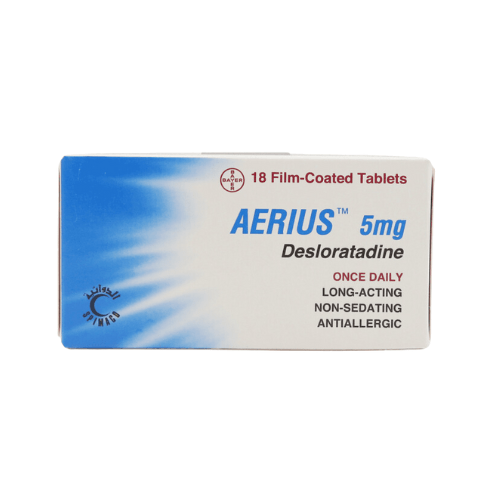
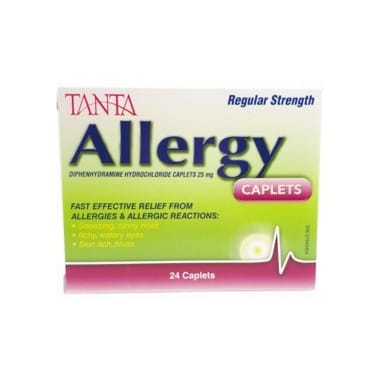
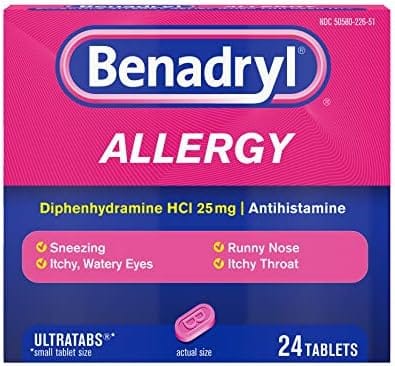
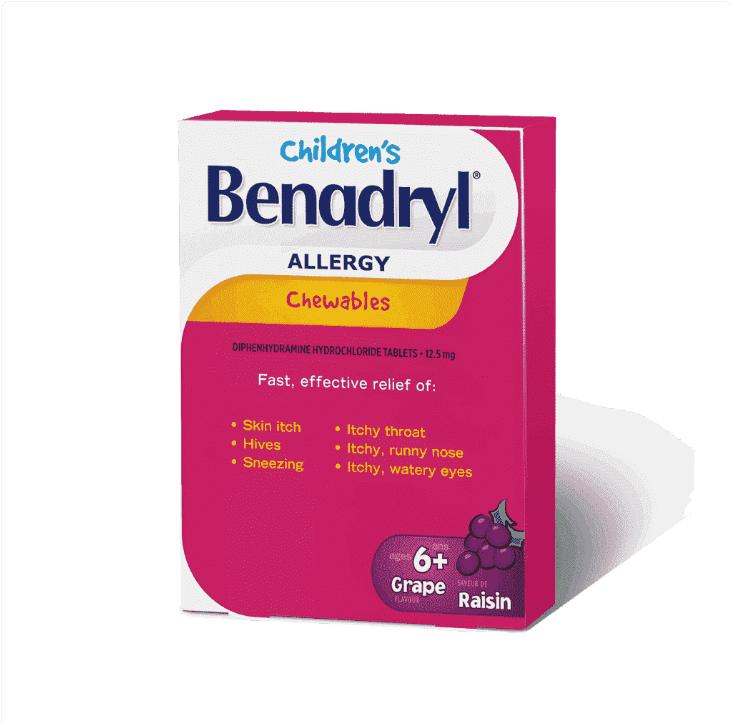
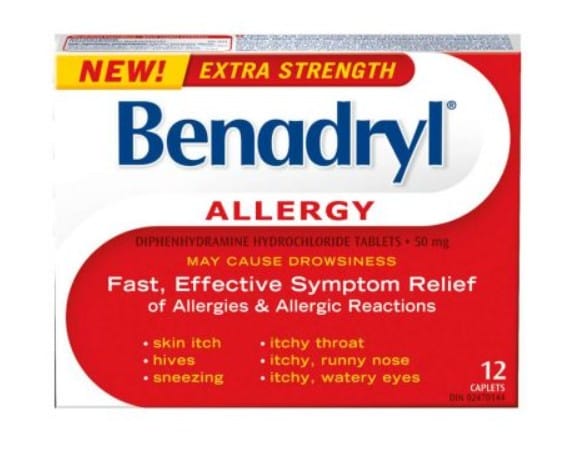
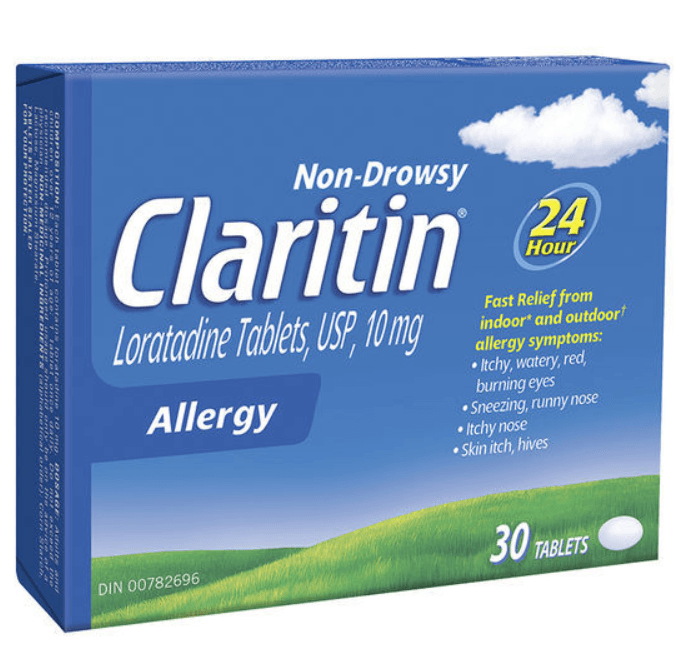
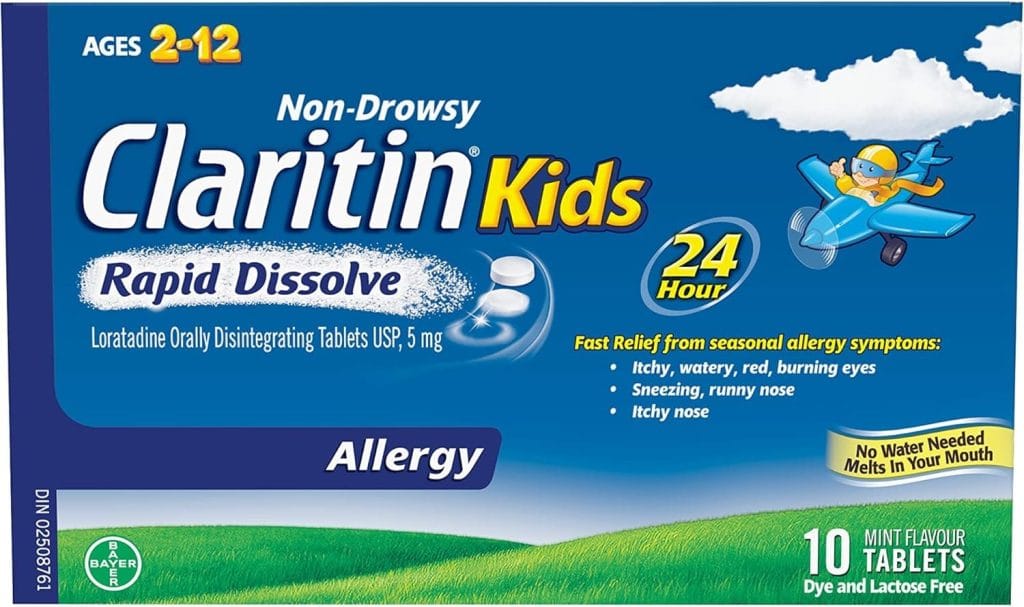
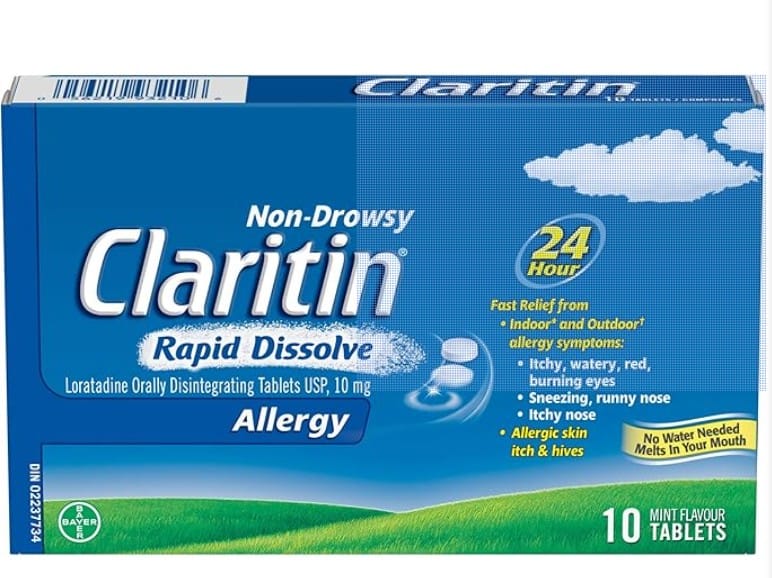
Find suitable medication for Hives


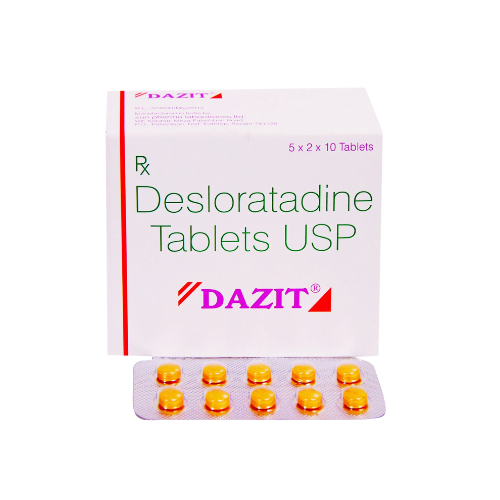
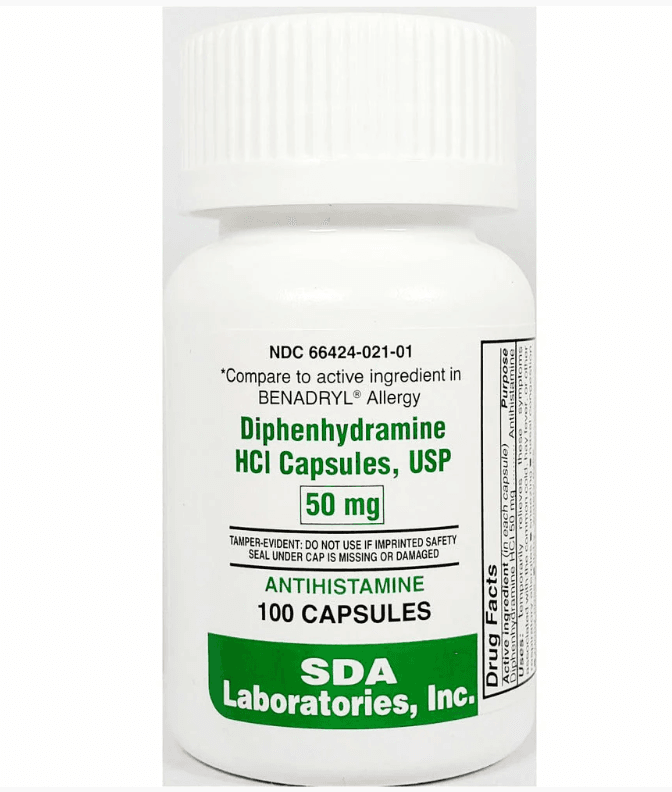

Book a telehealth visit to discuss Hives
Find a doctor
Speciality
State

Video Visit
$69

Video Visit
$69

Video Visit
$69

Video Visit
$69

Video Visit
$69

Video Visit
$69

Speciality: Dermatology, Family Medicine, Men's Health, Urgent Care, Women's health
Speaks: English, Spanish, French, Arabic, Portuguese
Video Visit
$69

Video Visit
$69

Video Visit
$69

Video Visit
$69

Video Visit
$69

Video Visit
$69
Frequently Asked Questions
What is the difference between acute and chronic hives?
Acute episodes usually last under six weeks in total. Chronic patterns last longer, with symptoms coming back repeatedly. Some people notice daily or weekly flares. Others have long gaps between episodes. Triggers can differ between short and long patterns. In many chronic cases, a clear cause is not found. A clinician review can help sort likely drivers and safety concerns.
How can I compare hives vs rash using online information?
Photos can help describe patterns, but many conditions overlap visually. Welts that rise, itch, and move around the body often point to urticaria. Flat, scaly, or persistent patches may suggest dermatitis or eczema. Purple spots, blistering, or painful lesions need careful evaluation. Use pictures as a description aid, not a diagnosis. A timeline, exposure list, and symptom notes usually add more value than images alone.
When is hives an emergency?
Emergency care is appropriate with breathing trouble, wheezing, throat tightness, or trouble swallowing. Rapid swelling of the lips, tongue, or face also raises concern. Dizziness, fainting, or severe vomiting can be warning signs too. These symptoms may indicate anaphylaxis, which needs urgent treatment. Even if skin findings seem mild, fast-changing systemic symptoms deserve immediate attention.
What details help a clinician evaluate recurring hives?
A helpful summary includes onset date, frequency, and how long spots last. Note whether lesions move or stay fixed in one area. Track recent infections, new foods, medications, supplements, and skin products. Include temperature exposure, pressure points, exercise, and stress changes. Mention swelling episodes and any breathing symptoms. Photos with timestamps can help, especially when symptoms fade before a visit.
How does Medispress handle evaluation and prescription coordination for hives care?
Medispress offers telehealth video visits in a secure app. A licensed U.S. clinician reviews symptoms, history, and medication safety concerns. If treatment is clinically appropriate, the clinician may coordinate prescription options through partner pharmacies. Pharmacy availability and dispensing rules depend on state regulations. Some services can be accessed through cash pay, often without insurance. Clinicians make all clinical decisions during the visit.