


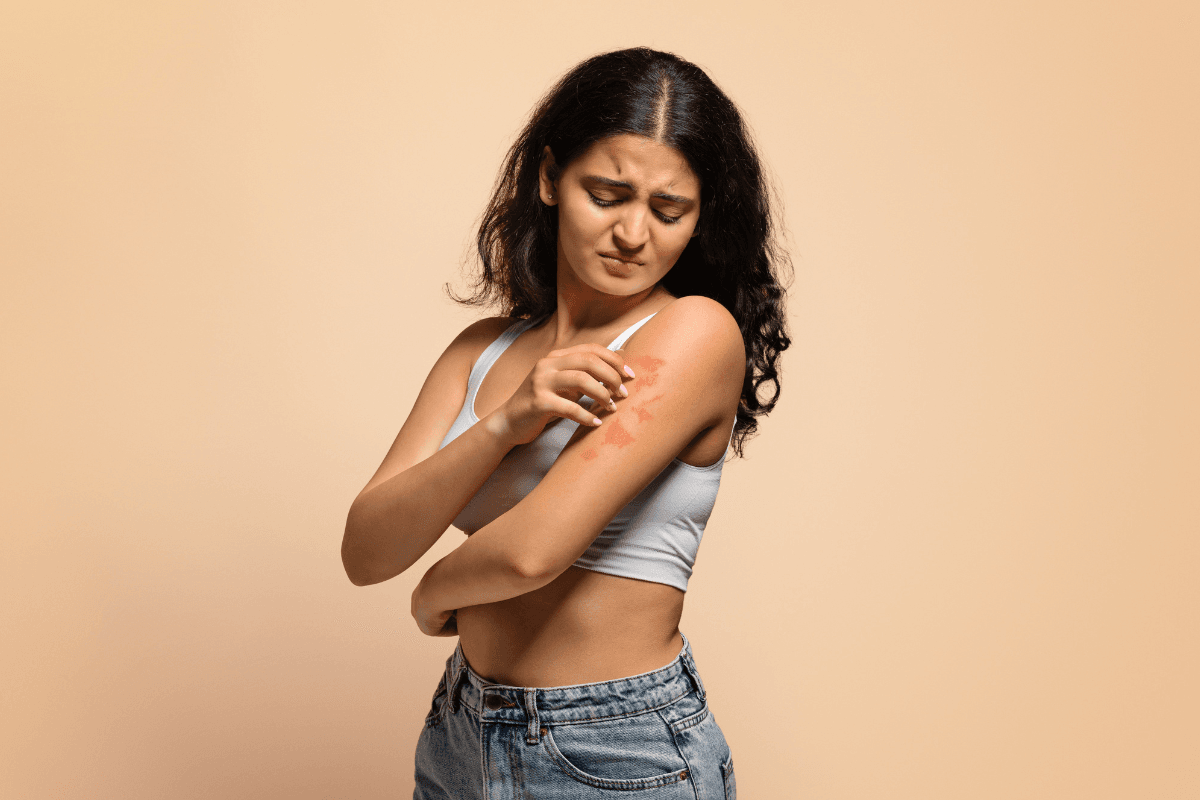


To get rid of skin irritation, first remove the likely trigger, cool the area, protect the skin barrier, and avoid scratching or harsh products. That answer sounds simple, but the cause matters. A dry patch, contact dermatitis, heat rash, hives, infection, or eczema flare can look similar at first. If you are searching for how to get rid of skin irritation, start with gentle steps that lower itch and inflammation while watching for warning signs.
Most mild irritation can be cared for at home for a short time, especially when it follows a new soap, plant exposure, sweating, shaving, or tight clothing. Seek medical advice sooner if the rash is painful, spreading, blistering, draining, or linked with fever or swelling.
Key Takeaways
- Cool first: Use a cold, damp cloth and avoid heat.
- Protect the barrier: Apply a fragrance-free cream or ointment.
- Remove triggers: Stop new products, friction, plants, or metals.
- Use medicines carefully: Follow labels and avoid sensitive areas.
- Watch red flags: Pain, pus, fever, swelling, or fast spread need care.
How to Get Rid of Skin Irritation in the First Hour
Start by making the skin less hot, less exposed, and less rubbed. These steps are useful for many common causes of redness, itching, stinging, or mild swelling.
- Stop the exposure: Remove tight clothing, jewelry, gloves, cosmetics, or plant oils.
- Rinse gently: Use cool or lukewarm water if something touched the skin.
- Skip scrubbing: Rubbing can deepen irritation and trigger more itch.
- Cool the area: Apply a cold, damp cloth for short intervals.
- Moisturize soon: Use a bland, fragrance-free cream or ointment.
- Keep it uncovered: Let air reach the area unless protection is needed.
Do not apply alcohol, hydrogen peroxide, strong acids, harsh exfoliants, or multiple active products. They may feel like they are doing something, but they often damage the skin barrier further.
Quick tip: Take a clear photo before applying products, especially if the rash changes quickly.
What May Be Causing the Redness, Itching, or Burning?
The likely cause is often found by looking at timing, location, shape, and recent exposures. Skin irritation is not one diagnosis. It is a symptom pattern that can come from several conditions.
- Irritant contact: Soaps, cleaners, sweat, friction, or frequent handwashing can inflame skin.
- Allergic contact dermatitis: An immune reaction to nickel, fragrance, latex, plants, or preservatives can cause rash.
- Dry skin: Low humidity, hot showers, and aging skin can make itching worse.
- Eczema flares: Inflamed patches may itch, crack, ooze, or return in patterns.
- Heat and sweat: Trapped moisture can cause prickly, itchy bumps.
- Infection or bites: Pain, warmth, pus, or expanding redness raises concern.
Learning the cause helps you avoid repeating the trigger. For ongoing dry, itchy, or recurring patches, our Eczema Treatment Tips resource explains how eczema care often focuses on barrier repair and flare prevention.
A tender bump after shaving, waxing, or hair removal may need a different approach than a flat rash. If that sounds familiar, review Infected Ingrown Hair signs so you can spot symptoms that deserve prompt care.
At-Home Skin Irritation Treatment That Is Usually Low Risk
The safest answer to how to get rid of skin irritation is not one product. It is matching gentle care to the likely trigger, then stopping if symptoms worsen. Simple steps often work better than layering several creams.
Cold Compresses and Cooling
A cold compress for skin irritation can reduce heat, burning, and itch. Use a clean cloth dampened with cool water. Do not place ice directly on bare skin, because extreme cold can injure tissue.
Cooling works best when heat, sweat, sun, or friction made the irritation worse. Keep the room cool, choose loose cotton clothing, and avoid hot showers until the skin settles.
Moisturizers and Barrier Repair
Dry irritated skin often needs barrier support. Choose a fragrance-free cream or ointment rather than a scented lotion. Apply it after gentle washing while the skin is still slightly damp.
Petrolatum-based ointments and thick creams can reduce water loss. They may feel greasy, but they are often less irritating than lightweight products with fragrance, acids, or botanical extracts.
Oatmeal Baths and Gentle Soaks
A colloidal oatmeal bath may help itchy, dry, or inflamed skin. Use lukewarm water, keep the soak brief, and moisturize afterward. Hot baths can worsen itching by drying the skin and increasing blood flow.
Some home remedies are less predictable. Coconut oil may moisturize some dry skin, but it does not reliably heal rashes. It can also irritate acne-prone skin or trap heat. Avoid applying oils to open, infected, weeping, or unexplained rashes unless a clinician recommends it.
Why it matters: Calming the skin barrier helps reduce the itch-scratch cycle.
Over-the-Counter Options and When to Be Careful
Over-the-counter products may help mild itching, but the right choice depends on the cause and body area. Follow the product label, and ask a pharmacist or clinician if you are unsure.
- Hydrocortisone cream: May calm mild inflammation, but avoid eyes, open wounds, and sensitive areas unless directed.
- Calamine lotion: Can soothe mild itch from bites or plant exposure.
- Pramoxine or menthol: May provide temporary cooling or numbing itch relief.
- Oral antihistamines: May help some allergy-related itching, but some cause drowsiness.
- Barrier ointments: Can protect chafed skin from moisture and friction.
Choosing medicine for skin rashes and itching can be tricky when the rash is on the face, genitals, eyelids, or large areas of skin. Steroid creams can cause side effects when used too strongly, too long, or in the wrong place.
Avoid topical antibiotic ointments unless they are clearly needed. Some ingredients can cause allergic contact dermatitis and make a rash harder to interpret. Also avoid mixing many anti-itch creams at once, because that can increase irritation and obscure the original trigger.
When Skin Irritation Needs Medical Care
Some skin changes need a clinician because they may signal infection, allergy, or a condition that needs targeted treatment. Do not wait if symptoms are severe or spreading quickly.
- Infection signs: Increasing pain, warmth, swelling, pus, or red streaks.
- Whole-body symptoms: Fever, chills, dizziness, or feeling very unwell.
- Severe allergy signs: Trouble breathing, throat tightness, or facial swelling.
- High-risk areas: Rash near the eyes, mouth, genitals, or large skin areas.
- Blisters or skin loss: Especially if painful or widespread.
- Persistent rash: Symptoms that do not improve with gentle care.
Call emergency services for trouble breathing, swelling of the lips or tongue, faintness, or a rapidly spreading rash with severe illness. Those symptoms can reflect a serious reaction.
If an in-person visit is hard to arrange, Teledermatology Services can help with some skin concerns that can be assessed by video. Medispress supports secure video appointments with licensed U.S. clinicians, and the clinician decides what care is appropriate.
Good preparation makes a skin visit more useful. Take photos in natural light, list new products and medicines, and note when the rash started. Our Online Dermatologist Appointment resource explains what to prepare before a remote skin visit.
How to Prevent the Next Flare
Once you know how to get rid of skin irritation, prevention becomes the next priority. The goal is to reduce barrier damage, identify patterns, and avoid repeat exposure when possible.
- Simplify products: Use fragrance-free cleanser and moisturizer.
- Change one thing: Add new skincare items slowly.
- Shorten showers: Use lukewarm water and gentle cleansing.
- Protect high-friction zones: Choose breathable fabrics and reduce rubbing.
- Rinse after sweating: Change out of damp clothing promptly.
- Track patterns: Note foods, plants, metals, detergents, and workplaces.
Small locations matter too. Irritation around the mouth can come from weather, saliva, lip products, or frequent licking. For a focused look at that area, see Chapped Lips.
If you want to compare related skin topics, the Dermatology Collection is a browsable set of skin health resources. Use it for education, not as a substitute for diagnosis.
Authoritative Sources
- The American Academy of Dermatology dry skin advice reviews gentle cleansing and moisturizing habits.
- The Mayo Clinic contact dermatitis treatment page discusses avoiding triggers and symptom relief.
- The MedlinePlus rash overview from the National Library of Medicine explains common rash features and care concerns.
This content is for informational purposes only and is not a substitute for professional medical advice.