


HIV/AIDS
Care Options for HIV/AIDS
This category page brings together HIV/AIDS information, medication options, and care logistics. It is meant for patients and caregivers who want clear comparisons. The listings and links can help with planning visits and staying organized.
HIV is a virus that affects immune function over time. AIDS is a stage of HIV where the immune system is severely weakened. Clinicians often follow lab markers like CD4 count and viral load monitoring. People may also hear U=U, which relates to transmission risk when viral load stays undetectable.
Medispress connects patients with licensed U.S. clinicians through scheduled video visits.
HIV/AIDS What You’ll Find
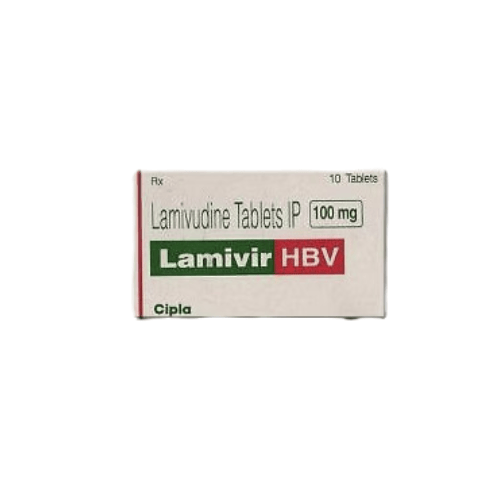
This browse page focuses on the practical pieces of HIV care. It may include options related to antiretroviral therapy (ART treatment), which uses multiple medicines to control the virus. It can also include prevention pathways, such as PrEP for HIV and PEP after exposure, when a clinician finds them appropriate.
Details on the page can help compare common differences between options. That often includes dosing frequency, food requirements, interaction warnings, and refill rules. It can also include notes about follow-up planning and long-term medication adherence HIV, since routines matter.
- Medication categories used in HIV care, including ART regimens
- Prevention options, including PrEP for HIV and PEP after exposure
- Common HIV side effects and interaction topics to discuss
- Care concepts like opportunistic infections and routine monitoring
- Support topics, including HIV counseling and HIV support services
How to Choose
When comparing care options for HIV/AIDS, the best next step is clarity. Start with what is already known, and what questions need answers. A clinician can then match options to medical history and current goals.
These factors often shape a safe, workable plan. They also help keep conversations focused during a short visit.
- Current medication list, including supplements and over-the-counter products
- Past reactions or allergies, including rash or stomach intolerance
- Known kidney or liver issues that may affect medication selection
- Potential interactions, including with acid reducers or blood thinners
- Daily schedule fit, since missed doses can raise risk over time
- Comfort with reminders, packaging, and refill timing
- Need for privacy, disclosure support, or ongoing HIV resources
Questions to raise during a visit
Bring questions that make tradeoffs easier to understand. Focus on safety, convenience, and what to monitor.
- What side effects are most common with this option?
- Which interactions matter most with the current medication list?
- What follow-up lab work is usually needed, and how often?
- What symptoms should prompt urgent evaluation?
- How can medication adherence HIV be supported if routines change?
Quick tip: Keep a current medication list saved in the account profile.
Planning for ongoing support
Living with HIV can involve more than medication decisions. Some people also want counseling, peer support, or help talking with partners. This page can support planning by keeping key resources in one place.
Safety and Use Notes
HIV/AIDS medicines can interact with other prescriptions and supplements. Side effects also vary by product and by person. A clinician reviews medical history to balance benefits and risks.
Visits run in a secure, HIPAA-compliant app for private health discussions.
Why it matters: Interaction checks can prevent avoidable side effects and treatment disruption.
Some issues need faster attention than others. Seek urgent care for signs of a severe allergic reaction. Examples include trouble breathing, face or throat swelling, or widespread hives (raised, itchy welts). For general skin concerns, the guide on Skin Irritation Treatments can help with symptom tracking. The Hives browse page may also help with common causes.
For a plain-language overview, the CDC HIV Basics page summarizes key concepts. For treatment background, the NIH HIV Treatment Basics page explains common terms.
- Do not mix new medicines without an interaction review
- Report severe mood changes, fainting, or chest pain promptly
- Track patterns, like nausea after dosing or new sleep problems
- Ask how to handle missed doses before they happen
Access and Prescription Requirements
Many HIV/AIDS medications require a prescription and pharmacy verification. Rules can vary by state and by medication type. The page can help set expectations before scheduling or requesting a refill.
When appropriate, clinicians can route prescriptions to partner pharmacies under state regulations.
Some people use cash-pay options, often without insurance. Availability depends on clinical appropriateness and dispensing rules. Medication choices still depend on a clinician’s assessment, not a checklist.
- Identity verification and a current address on file
- Current medication list, including past ART regimens if known
- Allergy history and any prior serious side effects
- Recent lab results, if available, for monitoring discussions
- Preferred pharmacy details when choices exist
Related Resources
For closely related browsing, see the HIV category page. It can be useful when focusing on HIV care without advanced immune suppression. For broader support topics, the guides below can help track symptoms and quality-of-life concerns.
HIV/AIDS care can involve other everyday issues, too. These guides can support better visit notes and safer medication lists.
- Telehealth For Seniors for planning a video visit
- Treat Insomnia Tips for sleep tracking basics
- Acid Reflux Tips for trigger and timing notes
- Blood Thinners Guide for interaction awareness
- Dizziness Relief Methods for documenting episodes
This content is for informational purposes only and is not a substitute for professional medical advice.

Find suitable medication for HIV/AIDS
Book a telehealth visit to discuss HIV/AIDS
Find a doctor
Speciality
State

Video Visit
$69

Video Visit
$69

Video Visit
$69

Video Visit
$69

Video Visit
$69

Video Visit
$69

Speciality: Dermatology, Family Medicine, Men's Health, Urgent Care, Women's health
Speaks: English, Spanish, French, Arabic, Portuguese
Video Visit
$69

Video Visit
$69

Video Visit
$69

Video Visit
$69

Video Visit
$69

Video Visit
$69
Frequently Asked Questions
What is the difference between HIV and AIDS?
HIV is a virus that can weaken the immune system over time. AIDS is a later stage of HIV, defined by significant immune damage. Clinicians often use lab markers, such as CD4 count and viral load, to understand immune status. People can live many years with HIV with consistent care. AIDS is not a separate virus. It describes a level of immune suppression that raises the risk of opportunistic infections.
What does U=U mean?
U=U stands for “Undetectable equals Untransmittable.” It refers to evidence that a person with HIV who maintains an undetectable viral load has effectively no risk of sexually transmitting HIV. This concept depends on consistent viral suppression and ongoing monitoring. It does not automatically apply in every situation or for every type of exposure. A clinician can help interpret what U=U means for an individual’s care plan and prevention needs.
How are PrEP and PEP different?
PrEP for HIV is prevention medicine taken before possible exposure. PEP after exposure is a short-term approach used after a potential exposure event. PEP is time-sensitive and requires quick clinical evaluation. Both options require a prescription and a review of health history and current medicines. This category page may include prevention resources and access notes, but only a licensed clinician can decide clinical appropriateness.
What information helps a clinician review antiretroviral therapy options?
A clinician usually starts with the current medication list, including supplements. Past HIV treatment history, if known, can also matter. Allergy history and prior serious side effects help narrow safer choices. Kidney or liver conditions may affect which medicines fit best. Recent lab results can guide monitoring plans. It also helps to note routine barriers, like shift work or travel, since medication adherence often depends on realistic daily timing.
What does prescription verification mean on Medispress?
Prescription verification refers to standard checks required before a pharmacy dispenses a prescription. This can include validating prescriber information, reviewing patient identifiers, and confirming the medication and directions match the prescription record. Some medications also trigger extra checks due to state rules or safety requirements. Medispress may coordinate prescription options through partner pharmacies when clinically appropriate. A pharmacist may also review interactions and clarify details before dispensing.