


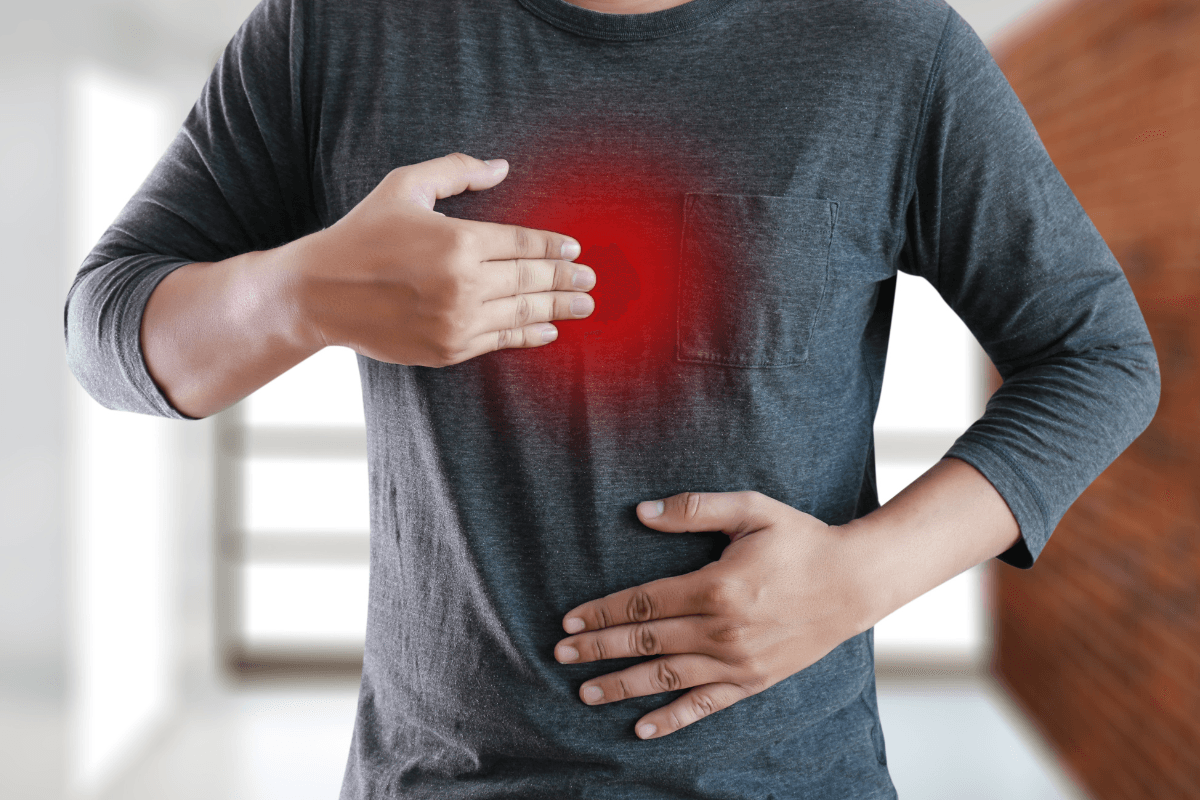


How To Get Rid Of Acid Reflux With Simple Daily Habits comes down to a few repeatable changes: eat smaller meals, finish dinner earlier, cut back on personal trigger foods, and stay upright after eating. Those routines lower the chance that stomach contents flow back into the esophagus, the tube that carries food to the stomach. They may not solve every cause of heartburn, but they often reduce day-to-day symptoms and help you notice when reflux is becoming frequent enough to need medical review. That matters because repeated reflux can disrupt sleep, irritate the throat, and make eating feel unpredictable.
Key Takeaways
- Smaller meals often cause less reflux than large, fast meals.
- Common triggers include fatty foods, spicy meals, tomato products, citrus, alcohol, soda, and mint.
- Night symptoms may improve when you finish eating earlier and raise your upper body during sleep.
- Water is usually the safest drink during a flare, while acidic or carbonated drinks may worsen burning.
- Frequent symptoms or warning signs deserve medical evaluation.
Daily Habits That Help Calm Acid Reflux
Acid reflux happens when stomach contents move upward past the lower esophageal sphincter (LES, a valve-like muscle between the esophagus and stomach). That backflow can create burning in the chest, a sour taste, throat irritation, or a feeling that food is coming back up. Habits matter because they change how much pressure builds inside the stomach and how easily reflux reaches the esophagus.
How To Get Rid Of Acid Reflux With Simple Daily Habits is usually less about one miracle food and more about a pattern you can repeat. The most useful changes are often boring but effective: smaller portions, slower eating, earlier meals, and fewer triggers that you already know bother you. A short symptom log can help because reflux patterns are often clearer than people expect. You may notice that symptoms appear after a large dinner, after coffee on an empty stomach, or when you lie down too soon after eating.
Quick tip: Track symptoms for 1 to 2 weeks with the time, meal, drink, and body position.
Heartburn is a symptom, while gastroesophageal reflux disease (GERD) is the broader condition when reflux becomes frequent or troublesome. If you want more general digestive reading, the Gastrointestinal Health Hub is a useful place to browse related topics.
Medispress visits are conducted by licensed U.S. clinicians in a secure video app.
Start With Meal Size, Timing, and Pace
Smaller, slower meals are often the single best daily change to try first. When your stomach is very full, pressure rises and reflux becomes more likely. Eating quickly can add to the problem because you may swallow more air, feel overly full, and miss the point where you were already satisfied.
Timing matters too. Many people notice acid reflux after eating when they have a heavy meal late in the day, snack close to bedtime, or collapse onto the couch right after dinner. A simpler routine usually works better: eat until comfortably full, give yourself time to chew, and stay upright after meals. A short walk may feel better than sitting curled up or lying flat. Tight waistbands, belts, or shapewear can also increase pressure on the stomach, especially after a meal.
If nighttime symptoms are common, finishing dinner a few hours before bed may help. You do not need a perfect schedule to see a difference. Even moving a late meal earlier and trimming the portion size can reduce reflux for some people.
A Simple Two-Week Reset
- Eat smaller portions at meals.
- Chew slowly and pause between bites.
- Stop when comfortably full, not stuffed.
- Finish dinner earlier when possible.
- Stay upright after eating.
- Notice which snacks trigger symptoms.
Consistency can be easier when the rest of your day is less rushed. If regular meal timing is hard to maintain, these Healthy Morning Routines may help you build a steadier schedule. If meal planning feels confusing, Virtual Nutrition Counseling can also help you prepare more focused questions for a clinician or diet professional.
Choose Foods and Drinks That Are Gentler
There is no single acid reflux diet that works for everyone. Still, certain patterns show up often. Foods that are high in fat, very spicy, highly acidic, or especially large in portion size tend to trigger symptoms more often than plain, moderate meals. Instead of cutting out everything at once, start with the foods and drinks that seem to cause trouble again and again.
Common Trigger Foods
- Fried or high-fat meals
- Spicy dishes
- Tomato-based foods
- Citrus fruits and juices
- Chocolate and mint
- Coffee, soda, and alcohol
Not every person reacts to every item on that list. One person may tolerate coffee but not tomato sauce. Another may do fine with a small amount of citrus but flare after alcohol at night. That is why a symptom log matters more than a generic banned-food list.
What To Drink When Symptoms Flare
Plain water, taken in small sips, is usually the safest starting point. Some people also tolerate low-fat milk or a non-mint herbal tea, but those are not universal fixes. Citrus juices, soda, energy drinks, alcohol, and large amounts of caffeine are more likely to aggravate burning. How To Get Rid Of Acid Reflux With Simple Daily Habits also means paying attention to what is in your glass, not only what is on your plate.
Be cautious with internet remedies that sound natural but feel harsh. Vinegar, lemon water, and peppermint may worsen reflux in some people. There is also no evidence that you need to detox your body from acid reflux. Reflux is usually about backflow and irritation, not a toxin buildup.
| Pattern | Habit to try | Why it may help |
|---|---|---|
| Burning after coffee or juice | Switch to water or another nonacidic drink you tolerate | May reduce irritation and extra acid exposure |
| Symptoms after a large lunch | Split the meal into two smaller meals | May lower stomach pressure |
| Heartburn late at night | Finish dinner earlier and avoid late snacks | May reduce reflux when lying down |
Nighttime Reflux Often Improves With Bedtime Changes
Reflux is often worse at night because lying flat makes it easier for stomach contents to move upward. Gravity helps during the day. In bed, you lose some of that protection. That is why bedtime habits can matter as much as food choices.
The first step is simple: avoid going to bed right after eating. If symptoms show up mainly at night, try moving your last meal earlier and skipping large late snacks. Sleeping with your upper body elevated may also help. A wedge pillow or raising the head of the bed is usually more useful than stacking regular pillows, which can bend your body at the waist and add pressure to the stomach. Some people also notice less reflux when sleeping on the left side.
Example: someone who usually eats a large dinner at 9 p.m. and lies flat by 10 p.m. may notice fewer nighttime flares after shifting dinner earlier and using a wedge. That does not mean the problem is cured, but it can make the pattern easier to control.
Why it matters: Nighttime reflux can quietly damage sleep quality, even when daytime symptoms seem mild.
The treating clinician makes the clinical decisions during any visit.
Daily Patterns Beyond Food Still Matter
Food is only part of the picture. Daily reflux can also be influenced by body weight, tobacco use, alcohol, activity, clothing, and the pace of everyday life. In practice, How To Get Rid Of Acid Reflux With Simple Daily Habits often means changing the shape of the day, not just one dinner.
If you carry extra weight around the abdomen, gradual weight loss may reduce pressure on the stomach and improve symptoms over time. Movement helps too, but timing matters. A gentle walk after meals is often easier on reflux than lying down or doing a hard workout right away. For broader fitness context, this overview of Exercise And Cardiovascular Health may be helpful.
Smoking can worsen reflux by weakening the valve between the esophagus and stomach and by irritating tissues. Alcohol is another common trigger, especially in the evening. If either factor shows up in your symptom pattern, addressing it may help as much as changing food choices. If tobacco use is part of the picture, this resource on how to Quit Smoking Safely covers supportive next steps. Stress does not directly cause stomach acid to leap upward, but it can make symptoms feel more intense and push habits that worsen reflux, such as rushed eating, late meals, or extra caffeine.
What May Help Quickly, and What to Skip
Immediate relief from acid reflux is often limited. There is no true instant reset if the same triggers keep repeating. Still, a few low-risk steps may help calm a flare: sit upright, loosen tight clothing, sip water slowly, and avoid eating another heavy meal just to settle the burning. A gentle walk may feel better than lying down.
Some people use over-the-counter antacids or other reflux medicines. Those products can help in the short term, but they are not a substitute for evaluation when symptoms are frequent, worsening, or tied to warning signs. If you need medication often, that is useful information to bring to a clinician.
Common Mistakes That Can Keep Reflux Going
- Chasing harsh home remedies
- Lying down right after meals
- Assuming mint is always soothing
- Eating a second meal to ease burning
- Ignoring repeat symptoms for months
Many people search for natural remedies for acid reflux because they want to avoid medication. That is understandable. Just remember that natural does not always mean gentle. Highly acidic drinks and mint products are common examples of remedies that can backfire.
When Recurring Acid Reflux Needs Medical Care
Recurring reflux deserves medical attention when symptoms are frequent, disruptive, or linked to warning signs. In general, it is worth checking in if heartburn keeps coming back, symptoms wake you from sleep, or swallowing starts to feel difficult. Ongoing reflux may point to GERD, irritation of the esophagus, or another problem that should not be guessed at from home.
- Trouble swallowing or food feeling stuck
- Unexplained weight loss
- Vomiting or ongoing nausea
- Black stools or signs of bleeding
- Persistent hoarseness, cough, or throat pain
- Chest pain, pressure, or shortness of breath
Chest discomfort can be tricky because not all burning in the chest is simple reflux. If pain feels severe, pressure-like, or comes with sweating, faintness, or shortness of breath, urgent evaluation is important. For non-emergency symptoms, learning how Telemedicine Services work can help you prepare for a visit. If treatment options come up, this overview of Online Prescriptions explains the general process. For symptoms that may need same-day in-person care, an Urgent Care Checklist can help you think through the right setting.
Prescription coordination, when appropriate, depends on state rules and partner pharmacy processes.
Authoritative Sources
For a plain-language federal overview, see MedlinePlus on GERD.
For patient guidance from a gastroenterology society, review American College of Gastroenterology on Acid Reflux.
For symptom and self-care basics, see NHS Heartburn and Acid Reflux.
Further reading: the best daily plan is usually the one you can repeat without overthinking it. Start with meal size, timing, drinks, and bedtime habits, then add other changes as patterns become clear. If symptoms stay frequent or come with warning signs, get medical advice rather than trying bigger and bigger home fixes.
This content is for informational purposes only and is not a substitute for professional medical advice.