


Hair Loss
Care Options and Information for Hair Loss
Hair Loss can feel sudden, frustrating, and hard to explain. This category page helps patients and caregivers compare common causes, symptoms, and care pathways. It also helps with practical next steps, like what information to gather before a visit. Many people notice hair thinning, a widening part, or more strands in the shower. Others see patchy spots, scalp irritation, or changes in hair texture.
Several conditions can drive shedding or thinning. Androgenetic alopecia (pattern thinning linked to genes and hormones) is very common. Alopecia areata (autoimmune patchy hair loss) can appear quickly. Telogen effluvium (temporary shedding after a stressor) can follow illness, childbirth, surgery, or major stress. Traction alopecia (loss from tight styles) often affects the hairline and temples. Breakage from heat or chemicals can also mimic shedding.
Use this collection to review how clinicians approach evaluation and how treatment categories differ. For pattern-related concerns, browse Pattern Thinning and Male Pattern Baldness for condition-aligned options and reading.
Hair Loss: What You’ll Find
This page brings together options that often appear in non-surgical hair restoration plans. Some listings focus on scalp health and routine basics. Others focus on prescription-only approaches, when clinically appropriate. The goal is to make comparisons easier, without guessing what fits any one person.
Expect a mix of practical explainers and condition-focused navigation. You may see references to common evaluation steps, like reviewing recent medication changes, checking for scalp inflammation, or considering lab work. Some people may also hear about a scalp biopsy (a small skin sample) when clinicians need more clarity. For a general overview of types and triggers, see this neutral reference from the American Academy of Dermatology on hair loss.
- Common hair shedding vs breakage explanations
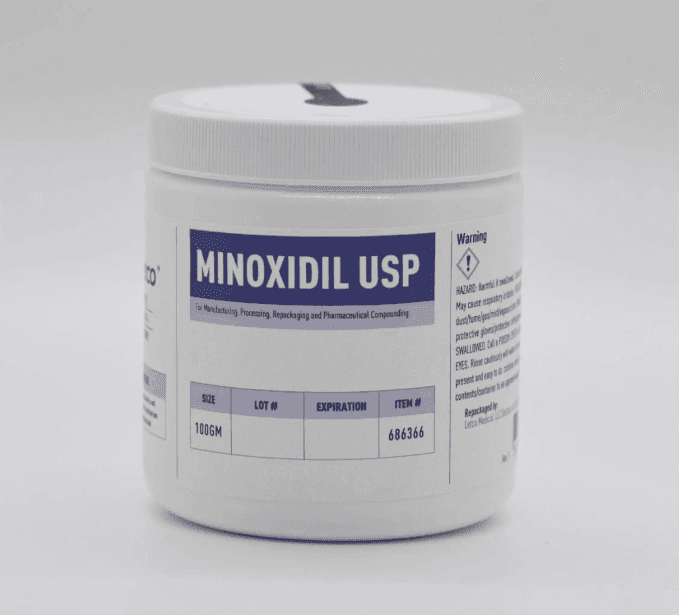
- Over-the-counter categories, including a minoxidil guide
- Prescription categories, including finasteride information
- Clinic-based options, like PRP (platelet-rich plasma) and light-based devices
- Scalp concerns that can contribute to shedding, like irritation or dandruff
Medispress visits happen by video in a secure, HIPAA-compliant app.
How to Choose
Start by matching what is happening on the scalp with the right resource type. This Hair Loss collection works best when the concern is clearly described. A short timeline often helps more than a long product list. Photos can also help clinicians see patterns that words miss.
Quick tip: Take clear photos in the same lighting each time.
Match the pattern to likely causes
Pattern thinning often looks different than patchy loss. Diffuse shedding can look like overall thinning and more hair in drains. Breakage often shows many short, uneven strands and frizz.
- Where is thinning most noticeable: part line, crown, temples, or edges?
- Did shedding start after illness, childbirth, stress, or a new medication?
- Is there scalp itching, scaling, redness, or tenderness?
- Is hair coming out with a small white bulb, or snapping mid-shaft?
- Any tight braids, extensions, wigs, or frequent traction at the hairline?
- Any family history of pattern thinning or early balding?
- Any recent rapid weight change or restricted diet patterns?
Pick resources that support a clinician conversation
Look for pages that explain benefits, risks, and practical use limits. Helpful pages also spell out when prescriptions are required. If virtual care is part of the plan, it helps to understand how visits work across conditions. This guide, Telehealth Physical Therapy Tips, offers a clear example of preparing for video-based care.
Safety and Use Notes
Many shedding and thinning concerns have more than one cause. That is why clinicians often ask about symptoms beyond the scalp. Fatigue, heavy menstrual bleeding, or sudden weight changes can matter. Some medications and supplements can also contribute to changes over time. For a neutral medical overview, see MedlinePlus on hair loss.
Why it matters: A label-safe plan starts with the right diagnosis and context.
Hair Loss treatments also vary in safety needs. Some options are topical and may irritate sensitive skin. Some are prescription-only and may not fit certain medical histories. Pregnancy and breastfeeding status can change what is appropriate. Clinicians also consider how a plan fits other meds and conditions.
- Do not share prescription products or use someone else’s supply.
- Watch for scalp burning, rash, or swelling with topical products.
- Discuss any heart conditions, blood pressure issues, or fainting history.
- Report sudden patchy loss, eyebrow changes, or nail pitting during evaluation.
- Tell the clinician about supplements, including high-dose biotin and vitamin A.
- Ask how long a trial needs before a clinician reassesses the approach.
Licensed U.S. clinicians make the clinical decisions for each visit.
Access and Prescription Requirements
Some options in this category require a prescription, and others do not. When a prescription is needed, a licensed clinician must evaluate the patient first. Pharmacies also verify prescriptions and dispense under state and federal rules. Some people use cash-pay care, often without insurance, depending on eligibility and state requirements.
Hair Loss evaluations often rely on history plus visual review. Some visits may include photo review or follow-up questions. If clinicians determine a prescription is clinically appropriate, they may coordinate pharmacy fulfillment through partner pharmacies, where allowed.
- A brief timeline: when changes started and how they progressed
- Recent health events: infections, surgery, major stress, or childbirth
- Current meds and supplements, plus any recent changes
- Hair practices: heat, bleach, relaxers, extensions, or tight styles
- Scalp symptoms: itching, scale, pain, or sores
- Clear photos of the hairline, part, crown, and any patches
When appropriate, clinicians can route prescriptions through partner pharmacies under state rules.
Related Resources
Hair Loss can overlap with broader health routines, especially sleep, stress, and nutrition. If it helps to build supportive habits while care gets sorted out, these guides offer practical ideas. For heart and activity basics, review Exercise And Cardiovascular Health. For general wellness planning, see Senior Health Tips.
These pages may also support overall health conversations:
- Top Exercises For Diabetes
- Easy Daily Exercises Over 60
- Strength Exercises For Knee Osteoarthritis
- 7 Daily Habits To Start
- Healthy Lung Month 2025
This content is for informational purposes only and is not a substitute for professional medical advice.

Find suitable medication for Hair Loss

Book a telehealth visit to discuss Hair Loss
Find a doctor
Speciality
State

Video Visit
$69

Video Visit
$69

Video Visit
$69

Video Visit
$69

Video Visit
$69
Meet Dr. Priya Asija: Board-Certified Family Physician and Wound Care Specialist Committed to Comprehensive CarePriya Asija is a board-certified Family Medicine physician and Wound Care Specialist with more than 15 years of experience. Her work includes primary care, urgent care-style visits, telemedicine, and advanced wound management. She holds a Wound Care Certification (WCC) through NAWCO, is credentialed in hyperbarics, and maintains BLS and ACLS certifications. She is licensed to practice in Texas, Florida, Pennsylvania, Wisconsin, Alabama, Arizona and Illinois.Dedicated to delivering high-quality, patient-centered care, Dr. Asija treats a wide range of acute and chronic medical conditions, provides preventive services, and specializes in wound care and hyperbaric medicine. She is the owner of Brookfield Family Practice, division of SAAK Health Care, partner at SAAK Wound Care Clinic and Hyperbarics, and serves as Medical Director for Wisconsin Wound Pros. Her services include primary care visits, urgent care management, wound evaluations, hyperbaric therapy oversight, telemedicine consultations, and prescription refill appointments when medically appropriate to support continuity of care.Fluent in English, Dr. Asija combines strong clinical expertise with compassionate communication. She collaborates closely with patients and interdisciplinary teams to promote healing, preventive health, and long-term wellness, ensuring accessible and comprehensive care across the states in which she practices.
Read Bio
Speciality: Family Medicine
Speaks: English
Video Visit
$69

Video Visit
$69

Video Visit
$69

Video Visit
$69

Video Visit
$69

Video Visit
$69
Frequently Asked Questions
What kinds of conditions are included in this collection?
This browse page covers common causes of thinning and shedding seen in outpatient care. That can include pattern thinning (androgenetic alopecia), alopecia areata (autoimmune patchy loss), and telogen effluvium (temporary shedding after stressors). It may also reference traction alopecia from tight styles and scalp conditions that worsen shedding. Some causes require lab work or a closer scalp exam. A clinician confirms the diagnosis and discusses appropriate options.
How is hair shedding different from hair breakage?
Shedding usually releases full-length strands from the root. People may notice hairs with a small bulb on one end. Breakage tends to create shorter, uneven pieces. It often relates to heat, chemicals, friction, or tight styling. Both can happen at the same time, which makes self-checks confusing. Photos of the part line, temples, and hairline can help a clinician interpret patterns and plan next steps.
Do I need lab tests or a scalp biopsy for evaluation?
Not always. Clinicians often start with a history and a visual scalp review. They may ask about recent illness, childbirth, stress, nutrition patterns, and medication changes. Lab tests can help when symptoms suggest iron, thyroid, or other medical contributors. A scalp biopsy (a small skin sample) may come up when the diagnosis stays unclear or scarring conditions are a concern. The choice depends on clinical context and local availability.
Can prescriptions be coordinated through Medispress?
Medispress can connect patients to licensed U.S. clinicians for video visits in a secure, HIPAA-compliant app. Clinicians decide what is clinically appropriate based on the visit and any provided history or photos. If a prescription is appropriate, the clinician may coordinate prescription options through partner pharmacies. Pharmacy fulfillment depends on state regulations and standard prescription verification requirements. Over-the-counter options may also appear in this category for comparison.
What information helps most when scheduling a hair-related visit?
Having a clear timeline helps. Note when changes began and whether shedding feels sudden or gradual. Bring a list of current medications and supplements, plus recent changes. Record any recent illness, surgery, childbirth, or major stress. Include hair care practices like heat styling, bleaching, extensions, or tight braids. Photos of the hairline, part, crown, and any patches often help. Avoid stopping prescription medicines without clinician guidance.