


Pattern Hair Loss
Care Options for Pattern Hair Loss
Pattern Hair Loss is a common form of gradual, patterned thinning. Clinicians often call it androgenetic alopecia (genetic hair loss). It can look like a receding hairline, crown thinning, or widening parts. Early signs of hair loss may feel subtle at first. This page helps patients and caregivers compare common terms and next steps.
Some people notice male pattern baldness changes first at the temples. Others see female pattern hair loss as diffuse thinning near the part line. Patterns vary by age, hormones, and family history. A careful review can also rule out other causes. Those include thyroid issues, iron deficiency, and medication effects.
Pattern Hair Loss What You’ll Find
This category page brings together practical browsing tools and education. It covers what pattern thinning can look like over time. It also explains common evaluation language seen in care plans. That includes DHT and hair loss, scalp health tips, and long term management.
It also summarizes treatment options overview at a high level. These may include minoxidil information, finasteride information, low level laser therapy, PRP therapy overview, and hair transplant overview. Each option has different tradeoffs and safety considerations. The goal here is clearer comparisons, not treatment instructions.
Why it matters: Clear definitions help avoid chasing the wrong cause or product.
Medispress connects patients with licensed U.S. clinicians for video visits.
- Plain-language explanations of androgenetic alopecia and genetic patterns
- Common presentation terms, like receding hairline and crown thinning
- Diagnosis and evaluation basics, including what clinicians look for
- Overview of common options and when they may be considered
- Notes on side effects and safety, plus decision questions
How to Choose
Start by separating pattern changes from sudden shedding or patchy loss. Patterned thinning often progresses slowly and predictably. Many people first look up images of Pattern Hair Loss to compare patterns. Clinicians may also use scales to describe severity and distribution.
Know what problem the option targets
Some options focus on hair cycle support. Others aim to limit androgen effects like DHT sensitivity. Procedures may target density or redistribution. Lifestyle factors for hair loss can also matter. Sleep, stress, and nutrition can influence shedding and breakage.
- Pattern and location: temples, crown, mid-scalp, or part widening
- Time course: gradual change versus rapid shedding
- Scalp symptoms: itching, burning, scaling, or tenderness
- Risk factors: family history, hormonal shifts, or certain medicines
- Practical fit: time, routine tolerance, and comfort with daily use
- Safety context: pregnancy potential, prostate history, and medication interactions
- Expectations: stabilization versus regrowth versus cosmetic coverage
Use supportive health resources
General wellness content can help frame realistic goals and habits. Sleep consistency may support overall hair and skin health. Hydration and balanced meals can reduce brittleness. For related reading, browse How To Stop Hair Loss and Women’s Health Wellness Guide. Nutrition support may also help with planning, as covered in Virtual Nutrition Counseling.
Safety and Use Notes
Any plan should include side effects and safety review. Topical products can irritate skin or worsen dermatitis. Prescription options can have contraindications and monitoring needs. Pattern Hair Loss discussions often include hormones and reproductive safety. Those details matter most for finasteride and similar medications.
Medispress visits run through a secure, HIPAA-compliant mobile app.
Quick tip: Keep a monthly photo log in consistent lighting.
Some therapies get marketed heavily, with mixed evidence quality. Low level laser therapy devices vary by design and claims. PRP protocols can differ across clinics. Transplant candidacy depends on donor supply and pattern stability. For neutral background on common causes and care, see this overview from the American Academy of Dermatology.
- Minoxidil information: review scalp irritation risk and application burden
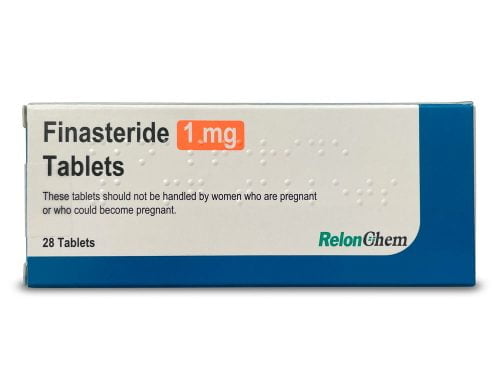
- Finasteride information: confirm appropriateness and review potential adverse effects
- Procedures: ask about downtime, follow-up needs, and realistic outcomes
- Red flags: scarring, pus, pain, or sudden patchy loss need prompt evaluation
- Medication labels: rely on official labeling for warnings and precautions
For official safety language, consult the FDA-approved prescribing information when available, such as this finasteride label document.
Access and Prescription Requirements
Some options discussed on this page are over-the-counter, while others require an Rx. When an Rx applies, pharmacies must verify the prescription. This includes identity checks and state-specific dispensing rules. In many cases, access is cash-pay, often without insurance.
Clinicians make all medical decisions, including whether prescriptions are appropriate.
Information that often supports review includes photos, duration of thinning, and symptom notes. A medication list and relevant history can reduce back-and-forth. If a prescription is considered appropriate, clinicians may coordinate fulfillment through partner pharmacies. Availability and workflow can vary by state regulations.
- Over-the-counter items: look for clear directions and irritation warnings
- Prescription options: expect screening questions and safety review
- Follow-up needs: plan for periodic reassessment as goals change
- Documentation: keep prior labs or dermatology notes when available
Related Resources
Some visitors prefer browsing closely related condition collections first. For adjacent categories, see Male Pattern Baldness and Male Pattern Hair Loss. These pages can help compare how terms get used. They can also help when symptoms do not match a typical pattern.
Everyday habits can support comfort and routine adherence. Sleep and hydration can also affect how hair looks and feels. For practical reading, explore Tips For Better Sleep, Benefits Of Hydration, and Telehealth For Insomnia. This section also helps frame Pattern Hair Loss as a long-term management topic. That mindset can make comparisons feel less overwhelming.
This content is for informational purposes only and is not a substitute for professional medical advice.

Find suitable medication for Pattern Hair Loss
Book a telehealth visit to discuss Pattern Hair Loss
Find a doctor
Speciality
State

Video Visit
$69

Video Visit
$69

Video Visit
$69

Video Visit
$69

Video Visit
$69
Meet Dr. Priya Asija: Board-Certified Family Physician and Wound Care Specialist Committed to Comprehensive CarePriya Asija is a board-certified Family Medicine physician and Wound Care Specialist with more than 15 years of experience. Her work includes primary care, urgent care-style visits, telemedicine, and advanced wound management. She holds a Wound Care Certification (WCC) through NAWCO, is credentialed in hyperbarics, and maintains BLS and ACLS certifications. She is licensed to practice in Texas, Florida, Pennsylvania, Wisconsin, Alabama, Arizona and Illinois.Dedicated to delivering high-quality, patient-centered care, Dr. Asija treats a wide range of acute and chronic medical conditions, provides preventive services, and specializes in wound care and hyperbaric medicine. She is the owner of Brookfield Family Practice, division of SAAK Health Care, partner at SAAK Wound Care Clinic and Hyperbarics, and serves as Medical Director for Wisconsin Wound Pros. Her services include primary care visits, urgent care management, wound evaluations, hyperbaric therapy oversight, telemedicine consultations, and prescription refill appointments when medically appropriate to support continuity of care.Fluent in English, Dr. Asija combines strong clinical expertise with compassionate communication. She collaborates closely with patients and interdisciplinary teams to promote healing, preventive health, and long-term wellness, ensuring accessible and comprehensive care across the states in which she practices.
Read Bio
Speciality: Family Medicine
Speaks: English
Video Visit
$69

Video Visit
$69

Video Visit
$69

Video Visit
$69

Video Visit
$69

Video Visit
$69
Frequently Asked Questions
What is androgenetic alopecia?
Androgenetic alopecia is the clinical name for common genetic pattern thinning. It often appears as temple recession or crown thinning in men. It often appears as part widening or diffuse thinning in women. Hormones and genetics both play roles, including sensitivity to DHT. The pace and pattern can vary widely. A clinician may still review other contributors, like thyroid disease or iron deficiency, to avoid missing a separate cause.
How do the Norwood and Ludwig scales work?
The Norwood scale and Ludwig scale are visual systems that describe pattern thinning. The Norwood scale is often used for male-pattern recession and crown changes. The Ludwig scale is often used for female-pattern central thinning. These scales help clinicians document severity and track changes over time. They do not replace a diagnosis. They also do not explain why hair loss is happening in a specific person.
What information helps with diagnosis and evaluation of hair thinning?
A good evaluation usually starts with timing, pattern, and symptom details. Helpful context includes when thinning began and how fast it changed. Photos from the last 6–12 months can show progression. Notes about itching, scaling, or tenderness can point to scalp disease. A medication list matters, including hormones and supplements. Clinicians may ask about recent illness, weight change, pregnancy, or major stressors.
What treatment options are commonly discussed for pattern thinning?
Common discussions include topical minoxidil, prescription options like finasteride, and device-based approaches such as low level laser therapy. Some people also ask about PRP injections and hair transplant surgery. Each option has different effort, cost, and safety considerations. A clinician can review contraindications and side effects, and help match choices to goals. It also helps to discuss realistic outcomes and long-term maintenance needs.
When should a dermatologist be involved?
Dermatology input can help when the pattern is unclear or symptoms suggest another condition. Examples include sudden patchy loss, pain, scarring, oozing, or significant scalp inflammation. A dermatologist can also evaluate for alopecia areata, fungal infections, and scarring alopecias. Specialty care may be important when hair loss starts rapidly or occurs with systemic symptoms. Prior treatments and photos can make that visit more productive.