


Eosinophilic Granulomatosis With Polyangiitis
Care Options for Eosinophilic Granulomatosis With Polyangiitis
Eosinophilic Granulomatosis With Polyangiitis is a rare type of vasculitis (blood vessel inflammation). It is also called EGPA or Churg-Strauss syndrome. Many people first notice asthma symptoms, sinus trouble, or allergy-like issues. Over time, inflammation can involve the lungs, skin, nerves, heart, or kidneys.
This category page helps patients and caregivers browse EGPA-related medication options and supportive resources. It also explains common terms seen in care plans and lab reports. Details vary by person, so clinicians tailor evaluation and follow-up.
Video visits connect patients with licensed U.S. clinicians. They review history, symptoms, and prior records. They can also explain what may happen next in care.
Eosinophilic Granulomatosis With Polyangiitis: What You’ll Find
On this browse page, listings focus on medications and care-adjacent resources used in EGPA management. Many therapies aim to reduce inflammation and prevent organ damage. Some options target eosinophilia (high eosinophil counts) and eosinophilic asthma.
Many people also see terms tied to ANCA-associated vasculitis. ANCA (an antibody marker) may be reported as p-ANCA or MPO-ANCA. Testing and interpretation depend on the full clinical picture. Clinicians may also discuss differential diagnosis, including conditions that mimic EGPA patterns.
Some symptoms overlap with other eosinophilic conditions. For comparison, browse the Hypereosinophilic Syndrome collection. For swallowing-focused eosinophilic disease, see Eosinophilic Esophagitis resources.
- Medication categories that may appear in EGPA treatment plans
- Plain-language explanations of labs, imaging, and biopsy wording
- Safety context for immunosuppressants and corticosteroids
- Administrative notes on prescriptions, verification, and pharmacy coordination
How to Choose
EGPA care often spans multiple organs and specialties. It helps to compare options through the lens of goals and monitoring needs. Patients and caregivers can also prepare questions for the next visit.
Match options to the clinical picture
- Current symptom pattern, such as eosinophilic asthma or chronic rhinosinusitis (ongoing sinus inflammation)
- Signs of vasculitic rash (inflamed-blood-vessel skin spots) or pulmonary infiltrates (lung changes on imaging)
- Nerve symptoms, including mononeuritis multiplex (nerve damage in multiple areas)
- Possible heart involvement, such as myocarditis (heart muscle inflammation) or cardiomyopathy (weakened heart muscle)
- Possible kidney involvement, such as glomerulonephritis (kidney inflammation)
Use a medication-first comparison view
- Drug class and purpose, such as corticosteroids for inflammation control
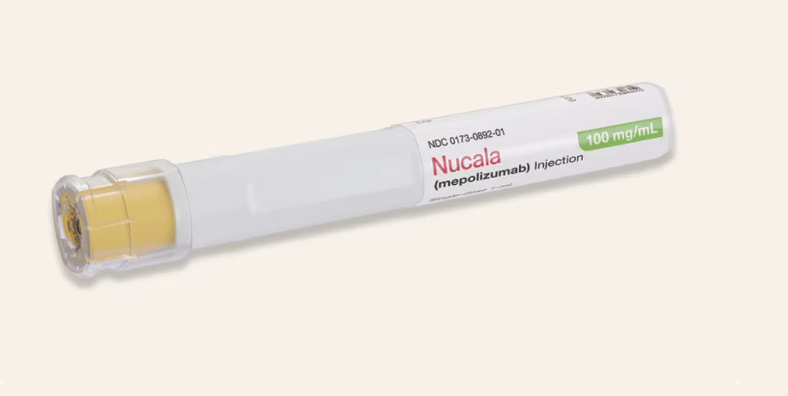
- Immune-targeted options that may be considered, like mepolizumab or rituximab
- Higher-intensity options that may appear in severe disease, like cyclophosphamide
- Monitoring needs, including labs and infection-risk discussions
- Interactions with other medicines, including inhalers and antibiotics
Quick tip: Keep a single, updated medication list for each appointment.
For Eosinophilic Granulomatosis With Polyangiitis, it is also helpful to note flare and remission patterns. A “flare” means symptoms and inflammation worsen again. A “remission” period means the disease is quieter, often with ongoing monitoring.
Safety and Use Notes
Many EGPA therapies affect the immune system. That can raise infection risk and change vaccine planning. Side effects and monitoring vary by medicine and by personal risk factors. A clinician can explain what warning signs matter most in a given plan.
Appointments take place in a secure, HIPAA-compliant Medispress app. That helps protect shared health information during visits. It also supports consistent documentation across follow-ups.
Why it matters: EGPA can involve heart or kidneys, which changes urgency and monitoring.
Safety topics that often come up during EGPA management include these general areas:
- Screening for infections before starting certain immunosuppressants
- Lab monitoring for blood counts, liver function, and inflammation markers
- Bone, eye, and glucose effects that can occur with corticosteroids
- New neurologic symptoms, including numbness, weakness, or severe pain
- Chest symptoms that may need prompt evaluation, such as fainting or severe shortness of breath
Diagnosis language can also feel overwhelming. Clinicians may reference ACR classification criteria (a standardized research-based framework). They may also discuss tissue biopsy (a small sample examined under a microscope) when it is clinically appropriate.
Access and Prescription Requirements
Many medicines used in EGPA treatment are prescription-only. A licensed clinician must evaluate the situation and decide what is appropriate. The pharmacy also verifies prescriptions and follows dispensing regulations.
When clinically appropriate, clinicians may coordinate prescriptions through partner pharmacies, depending on state rules. This supports access while keeping required checks in place. Some people also prefer cash-pay options, often without insurance, for simpler administration.
Administrative steps that may apply on this category page include:
- Providing a current medication list and allergy history
- Sharing recent labs, imaging reports, or specialist notes when available
- Confirming identity details for prescription processing
- Reviewing refill timing rules, where applicable
- Choosing shipping and delivery details for pharmacy fulfillment, when offered
If medications require prior lab results or specialty oversight, clinicians may request records first. That helps keep decisions grounded in evidence and safety. Cash-pay access, often without insurance, may still require the same clinical review.
Related Resources
Some EGPA questions involve overlap with other eosinophilic conditions. Comparing similar diagnoses can make medical language easier to follow. See Hypereosinophilic Syndrome Overview for broader eosinophilia patterns. For digestive-tract eosinophilic inflammation, review Eosinophilic Esophagitis Overview and note the different symptom focus.
For an external, plain-language overview of EGPA, see this Vasculitis Foundation page: EGPA information from the Vasculitis Foundation.
This category also supports browsing terms used in Eosinophilic Granulomatosis With Polyangiitis care. Common examples include eosinophilic asthma, chronic rhinosinusitis, nasal polyps, and ANCA results. Notes on prognosis usually depend on organ involvement, response to therapy, and flare patterns.
This content is for informational purposes only and is not a substitute for professional medical advice.

Find suitable medication for Eosinophilic Granulomatosis With Polyangiitis
Book a telehealth visit to discuss Eosinophilic Granulomatosis With Polyangiitis
Find a doctor
Speciality
State

Video Visit
$69

Video Visit
$69

Video Visit
$69

Video Visit
$69

Video Visit
$69
Meet Dr. Priya Asija: Board-Certified Family Physician and Wound Care Specialist Committed to Comprehensive CarePriya Asija is a board-certified Family Medicine physician and Wound Care Specialist with more than 15 years of experience. Her work includes primary care, urgent care-style visits, telemedicine, and advanced wound management. She holds a Wound Care Certification (WCC) through NAWCO, is credentialed in hyperbarics, and maintains BLS and ACLS certifications. She is licensed to practice in Texas, Florida, Pennsylvania, Wisconsin, Alabama, Arizona and Illinois.Dedicated to delivering high-quality, patient-centered care, Dr. Asija treats a wide range of acute and chronic medical conditions, provides preventive services, and specializes in wound care and hyperbaric medicine. She is the owner of Brookfield Family Practice, division of SAAK Health Care, partner at SAAK Wound Care Clinic and Hyperbarics, and serves as Medical Director for Wisconsin Wound Pros. Her services include primary care visits, urgent care management, wound evaluations, hyperbaric therapy oversight, telemedicine consultations, and prescription refill appointments when medically appropriate to support continuity of care.Fluent in English, Dr. Asija combines strong clinical expertise with compassionate communication. She collaborates closely with patients and interdisciplinary teams to promote healing, preventive health, and long-term wellness, ensuring accessible and comprehensive care across the states in which she practices.
Read Bio
Speciality: Family Medicine
Speaks: English
Video Visit
$69

Video Visit
$69

Video Visit
$69

Video Visit
$69

Video Visit
$69

Video Visit
$69
Frequently Asked Questions
What is EGPA, and why does asthma come up so often?
EGPA is another name for eosinophilic granulomatosis with polyangiitis. It is a form of blood vessel inflammation that often appears with asthma and allergy-like symptoms. Many people have sinus problems, nasal polyps, or chronic congestion early on. Over time, inflammation can affect other organs, such as skin, nerves, heart, kidneys, or lungs. A clinician usually considers the full pattern of symptoms, labs, and imaging.
What kinds of medications might appear in EGPA care plans?
Medication choices depend on which organs are involved and how active the disease is. Plans may include corticosteroids, which reduce inflammation. Some people may be considered for immune-targeted medicines, such as mepolizumab, rituximab, or cyclophosphamide. Each option has different monitoring and safety considerations. A clinician weighs potential benefits, risks, and prior responses. This category page is meant to support browsing and vocabulary, not treatment selection.
What information is helpful to gather before a telehealth visit for EGPA?
It helps to have a current medication list, including inhalers and supplements. Recent lab results, imaging reports, and specialist notes can also be useful. Many visits go faster with a short symptom timeline, including flare and remission periods. If there are prior ANCA results, biopsy reports, or eosinophil counts, keep those dates handy. The clinician will still ask questions to fill gaps and confirm details.
Do EGPA-related medicines always require a prescription?
Many medications used to manage EGPA are prescription-only. That includes most immunosuppressants and biologic therapies. A licensed clinician must evaluate the situation and decide what is appropriate. Pharmacies also verify prescriptions and follow state and federal dispensing rules. Some supportive items may not require a prescription, depending on what is listed. If a product needs a prescription, the listing should reflect that requirement.
When can symptoms suggest a need for urgent evaluation?
EGPA can sometimes involve organs like the heart, lungs, or kidneys. Symptoms such as chest pain, fainting, severe shortness of breath, or sudden one-sided weakness can be concerning. New severe nerve symptoms, confusion, or signs of serious infection can also warrant prompt assessment. Because causes vary, it is important that urgent symptoms are evaluated by appropriate medical services. This page is informational and cannot triage emergencies.