


Eczema/Dermatitis
Care Options for Eczema/Dermatitis
Skin rashes can look similar, but their causes can differ. This category page covers Eczema/Dermatitis and several closely related conditions. It is built for patients and caregivers who want clearer next steps. Use it to browse resources, compare common terms, and understand typical care paths.
Eczema often describes long-term, itchy, inflamed skin. Dermatitis is a broader medical term for skin inflammation. Many people hear both names for similar symptoms. This page helps connect those labels to practical information.
Some concerns may fit a virtual visit, especially with good photos. Others may need in-person evaluation for testing or procedures. The goal here is simple navigation and better understanding. Clinical decisions always stay with a licensed clinician.
Eczema/Dermatitis What You’ll Find
This collection brings together common condition pages and supportive reading. It also helps clarify where eczema ends and other dermatitis types begin. For example, Eczema is often used for chronic, relapsing rashes with itch. The broader Dermatitis label can include several causes and patterns.
Several subtypes can behave differently across body areas and ages. Atopic Dermatitis often links with allergic conditions and a leaky skin barrier. Contact Dermatitis can follow exposure to an irritant or allergen. The pages in this category support side-by-side browsing, without guessing a diagnosis.
Expect practical definitions, common symptom patterns, and questions to ask during care. Many listings also mention typical treatment categories, like moisturizers and anti-inflammatory creams. Some options require prescriptions, while others do not. Details can vary by state rules and clinical appropriateness.
- Condition overviews and plain-language symptom descriptions
- Common triggers like soaps, fragrances, metals, or workplace exposures
- Body-area patterns, including hands, scalp, and eyelids
- General treatment categories, including topical anti-inflammatories and moisturizers
- Links to related guides on virtual skin care and telehealth basics
Quick tip: Keep a short timeline of new products, symptoms, and photos.
Medispress offers video visits with licensed U.S. clinicians.
How to Choose
Browsing works best when the rash pattern is described consistently. Use this page to compare Eczema/Dermatitis information by body area, timing, and triggers. Then narrow to the closest-matching condition pages and guides. This approach can reduce confusion from overlapping labels.
Match the pattern and the trigger story
Many rashes share redness and itch. Small details often matter for sorting options.
- Location: hands, face, eyelids, scalp, or legs can suggest different patterns
- Timing: sudden onset after exposure versus slow, recurring flares
- Texture: dry scaling, weeping, cracking, or thickened skin over time
- Exposure clues: detergents, gloves, cosmetics, metals, plants, or new clothing
- Seasonality: winter dryness, sweating in heat, or indoor heating effects
- Household factors: pets, new bedding, fragrances, and cleaning sprays
Plan what to compare across resources
This category page supports comparison, not self-treatment decisions. Use it to identify what to ask and what to track.
- Common symptom terms, like pruritus (itch) and fissures (skin cracks)
- Typical flare patterns, including infant eczema versus adult eczema
- Possible overlap with other conditions, like eczema vs psoriasis
- Care goals often discussed, like skin barrier repair and itch control
- When a specialist may help, including seeing a dermatologist for eczema
Safety and Use Notes
Rash care often involves both symptom control and prevention planning. For Eczema/Dermatitis, clinicians often discuss moisturizers, trigger reduction, and anti-inflammatory options. Prescription choices can include topical corticosteroids for eczema or nonsteroidal anti-inflammatory creams. Each option has benefits and limits, based on age and skin site.
Some areas need extra caution, especially around the eyes and genitals. Thin skin can absorb medicines differently and irritate more easily. Symptoms can also change with scratching, stress, and sleep loss. A clinician may also consider infection when skin becomes painful or oozing.
- Topical steroids can cause thinning with overuse or incorrect use
- Facial and eyelid dermatitis often needs a careful risk discussion
- Scalp scaling can fit different diagnoses, including Seborrheic Dermatitis
- Severe itch can disrupt sleep and increase skin damage from scratching
- Crusting, warmth, fever, or rapid spreading may need prompt evaluation
- Wet wrap therapy is sometimes discussed for hard-to-control flares
Why it matters: A correct label helps avoid unnecessary irritation and delays.
Visits use a secure app designed for HIPAA privacy.
For background on eczema basics, see American Academy of Dermatology eczema basics.
For immune and allergy context, see NIAID eczema and atopic dermatitis overview.
Access and Prescription Requirements
Some treatments in this category are over-the-counter, while others are prescription-only. If Eczema/Dermatitis symptoms appear severe or persistent, clinicians may review history and photos first. Pharmacies typically require a valid prescription for prescription items. They also follow prescription verification and dispensing rules.
Telehealth can help with administrative steps and initial triage. It can also support follow-up discussions and refill planning when appropriate. Learn what to expect from a virtual visit in Telehealth Online Basics. For skin-focused care context, review Teledermatology Services.
- Prescription items require clinician review and an approved prescription
- Partner pharmacies may be used when clinically appropriate and allowed
- Availability can vary based on state-specific pharmacy regulations
- Many people use cash-pay options, sometimes without insurance
- Keeping photos and a trigger list can support better documentation
Clinicians make the medical decisions about diagnosis and treatment.
Related Resources
Use the links below to keep browsing with less guesswork. For a deeper Eczema/Dermatitis overview, start with symptom patterns and common triggers. Then compare related pages for similar-looking rashes, like atopic patterns and contact reactions. This can support clearer conversations during visits.
For practical reading on irritation and common relief approaches, see Skin Irritation Treatments. For virtual-visit tips that focus on eczema, read Treat Eczema Remote Support. For a broad view of telehealth scope, open What Telehealth Can Treat.
- Common triggers and how to track them consistently
- Questions to ask about topical options and skin barrier repair
- How location and age can change likely dermatitis types
- When photos help and when in-person care may fit better
This content is for informational purposes only and is not a substitute for professional medical advice.

Find suitable medication for Eczema/Dermatitis
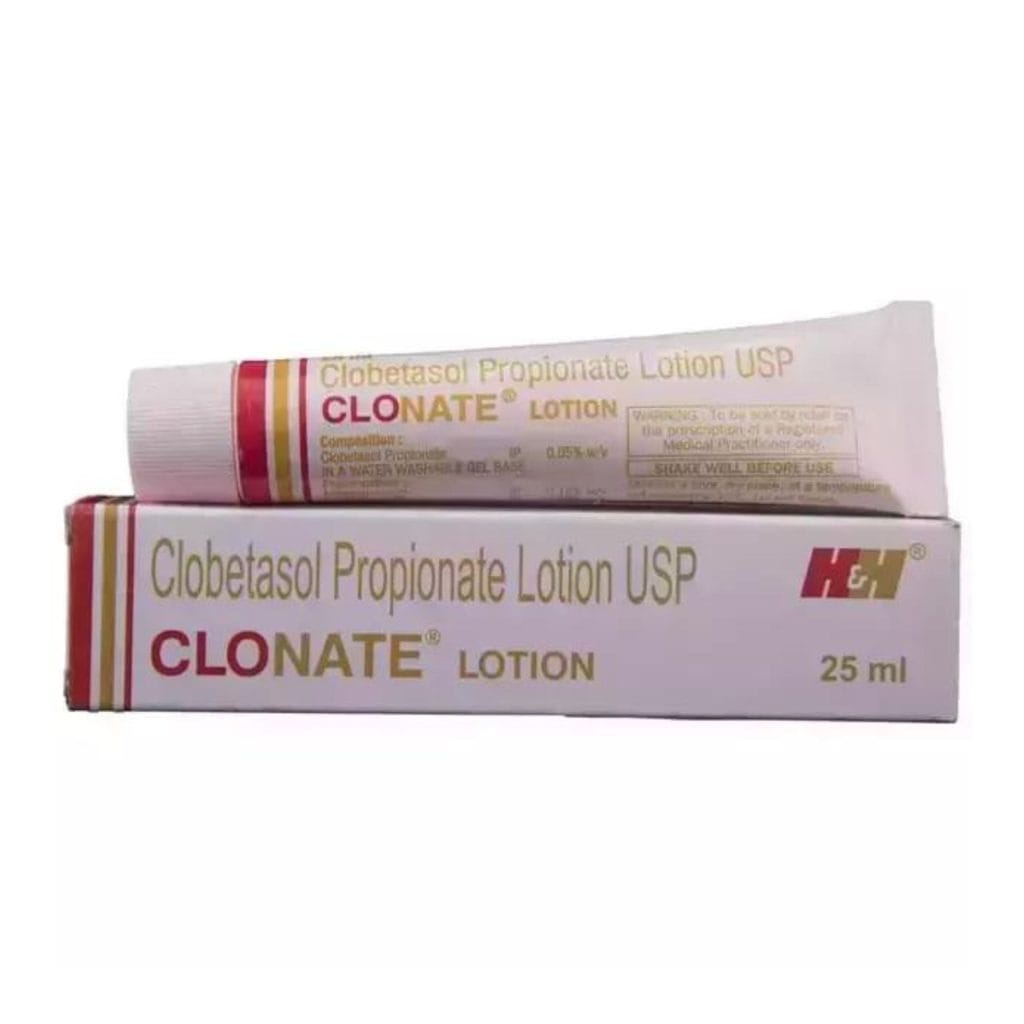
Book a telehealth visit to discuss Eczema/Dermatitis
Find a doctor
Speciality
State

Video Visit
$69

Video Visit
$69

Video Visit
$69

Video Visit
$69

Video Visit
$69

Video Visit
$69

Speciality: Dermatology, Family Medicine, Men's Health, Urgent Care, Women's health
Speaks: English, Spanish, French, Arabic, Portuguese
Video Visit
$69

Video Visit
$69

Video Visit
$69

Video Visit
$69

Video Visit
$69

Video Visit
$69
Frequently Asked Questions
What is the difference between eczema and dermatitis?
Eczema often refers to itchy, inflamed skin that can recur over time. Dermatitis is a broader medical term that means skin inflammation. Many eczema cases are types of dermatitis, but not all dermatitis is eczema. Contact dermatitis, for example, can follow exposure to an irritant or allergen. This category page groups related conditions so browsing can start with the closest match.
Which types of dermatitis are included in this category?
This collection includes common eczema patterns and related dermatitis types. Examples include atopic dermatitis, contact dermatitis, and seborrheic dermatitis. Some pages may also reference body-area patterns, such as hand eczema, scalp dermatitis, or eyelid dermatitis. Age-related patterns may also appear, including infant eczema and adult eczema. Labels can overlap, so the pages focus on definitions, common triggers, and symptom patterns.
How can I use this category page to browse effectively?
Start by picking the closest condition label based on location and timing. Use pages that describe common triggers, like soaps, fragrances, metals, or workplace exposures. Compare symptom terms across pages, such as scaling, cracking, or oozing. Use the linked guides to understand telehealth visit basics and photo tips. You can also open related conditions to compare similar-looking rashes side by side.
Can telehealth be used for eczema or dermatitis concerns?
Telehealth can be helpful for many skin concerns, especially when photos show key details. A clinician may ask about timing, triggers, and prior treatments. They may also review other health conditions and current medications. Some situations still need in-person care, such as rapidly spreading rashes or concerns for infection. If prescription treatment is appropriate, clinicians may coordinate options with partner pharmacies, following state rules.
When is a rash more urgent than routine follow-up?
Prompt evaluation is often appropriate when a rash spreads quickly or becomes very painful. Fever, facial swelling, trouble breathing, or severe blistering can signal a more serious problem. Warmth, pus, or crusting can suggest infection, especially with worsening tenderness. Eye-area rashes also deserve careful assessment, since vision and thin skin are involved. When symptoms feel severe or rapidly changing, urgent care may be the safest setting.