


Seborrheic Dermatitis
Care Options for Seborrheic Dermatitis
Seborrheic Dermatitis is a common, recurring inflammatory skin condition. It often causes an itchy flaky scalp and red scaly patches. Many people notice flare ups on the scalp, face, and ears. Caregivers may also see cradle cap in infants. This category page helps patients and caregivers compare care options and learn key terms.
Browse common over the counter treatments and prescription options that clinicians may use. You will also see practical notes on triggers, diagnosis, and maintenance routine planning. Details vary by age, skin type, and where symptoms show up. For a plain-language overview, see this American Academy of Dermatology overview.
Seborrheic Dermatitis What You’ll Find
This collection focuses on everyday care categories and how they differ. Many listings center on antifungal approaches, since malassezia yeast (a normal skin yeast) can contribute. Other options focus on calming inflammation and loosening scale. The goal is to make it easier to compare formats and key ingredients.
Medispress uses secure video visits in a HIPAA-compliant app.
Because symptoms cluster in oily areas, the body location matters. Some people mainly deal with scalp scale and dandruff-like shedding. Others get seborrheic dermatitis face irritation, including around the eyebrows. Flaking can also show up in the beard area, ears, or upper chest.
| Common area | What people often notice |
|---|---|
| Scalp | Greasy scale, itching, stubborn flakes |
| Eyebrows and nose folds | Redness, fine scale, burning or sensitivity |
| Beard and sideburns | Patchy flaking under hair, irritation after shaving |
| Ears | Scaling in the canal edge, soreness, recurrent crusting |
| Chest | Pink patches with scale, worse with sweat |
What is typically included on this browse page:
- Shampoo options by active ingredient and product type
- Antifungal shampoo examples like ketoconazole shampoo, zinc pyrithione shampoo, and selenium sulfide shampoo
- Non-shampoo topicals, such as creams, foams, or solutions
- Notes on prescription-only items versus nonprescription choices
- Guidance topics like common triggers and flare patterns
How to Choose
Choosing among options usually starts with where symptoms appear. When Seborrheic Dermatitis flares, the scalp plan can differ from the face plan. Hair type, fragrance sensitivity, and daily routines also matter. Many people rotate products to reduce irritation and buildup.
Quick tip: Keep a short log of triggers, seasons, and product changes.
Match the product type to the area
- Scalp-focused products may emphasize rinse-out shampoos and leave-on solutions
- Face and eyebrow scaling often calls for gentler vehicles and fewer irritants
- Beard-area flaking may improve with products that reach skin under hair
- Ear involvement can require extra caution near delicate skin
- Chest patches may be affected by sweat, friction, and fabric choice
Compare practical details before adding items
- Active ingredient class, such as antifungal versus anti-inflammatory
- Formulation type, including shampoo, cream, foam, or lotion
- Fragrance and cleanser strength, especially for reactive skin
- How often the product is typically used, per the label
- Whether it is intended for scalp scale, facial scale, or both
- Whether a clinician visit is required before access
Helpful questions to bring to a clinician visit:
- What features support a seborrheic dermatitis diagnosis versus a look-alike rash
- How to tell irritation from an allergic reaction to a product
- How to plan a maintenance routine to reduce flare frequency
- Which areas need extra caution, such as eyelids or skin folds
Safety and Use Notes
People with Seborrheic Dermatitis often try several options over time. That makes basic safety and label-reading important. Some products can sting on cracked skin or after shaving. Others may be too harsh for eyelids, nostril folds, or infant skin.
Why it matters: Facial skin can react quickly to strong cleansers and treatments.
Licensed U.S. clinicians make diagnosis and treatment decisions during visits.
Shampoos and topicals can have different risk profiles. For example, a low potency steroid cream can reduce inflammation, but it is not suitable for everyone. Calcineurin inhibitors (nonsteroidal immune-modulating creams) may be considered for sensitive areas in some cases. The right choice depends on location, severity, and other health factors.
- Use extra care around eyes, eyelids, and mucous membranes
- Stop and seek clinical guidance for swelling, blistering, or severe burning
- Ask about interactions if using other prescription skin medicines
- Check age limits on labels, especially for infants with cradle cap
- Watch for signs of infection, like spreading redness or drainage
Some rashes can look similar, including psoriasis, contact dermatitis, and eczema. A clinician may compare the pattern, scale quality, and distribution. They may also ask about hair products, stress, weather changes, and known seborrheic dermatitis triggers. Photos from different days can help document flare ups.
Access and Prescription Requirements
Not every option requires a prescription, but some do. If Seborrheic Dermatitis symptoms are persistent or widespread, a clinician may recommend evaluation. That visit can help clarify the diagnosis and rule out mimic conditions. It can also help align products to the affected area.
When appropriate, prescriptions may be coordinated through partner pharmacies under state rules.
For items that are prescription-only, dispensing typically includes prescription verification. Some people use cash-pay options, often without insurance, for convenience and transparency. Availability can vary by state and by pharmacy policy. This browse page supports comparison, but it cannot guarantee that any medication is appropriate.
- Rx-only items require a valid prescription from a licensed clinician
- Some products may have age limits or special counseling requirements
- Share allergy history and current medicines during intake
- Have recent photos ready if symptoms change day to day
- Plan for follow-up if symptoms recur after short-term improvement
Related Resources
For Seborrheic Dermatitis basics and telehealth logistics, these resources can help. The Teledermatology Services page explains how virtual skin care visits can work. If eczema is also a concern, How To Treat Eczema covers common care themes and questions. If scalp symptoms overlap with shedding, How To Stop Hair Loss offers context on non-dandruff causes.
Home remedies for seborrheic dermatitis and natural treatments for seborrheic dermatitis are common search topics. It helps to review these ideas with a clinician, especially for the face and scalp. Document what was tried, how skin reacted, and what seemed to trigger changes. That record supports clearer conversations and safer next steps.
This content is for informational purposes only and is not a substitute for professional medical advice.

Find suitable medication for Seborrheic Dermatitis
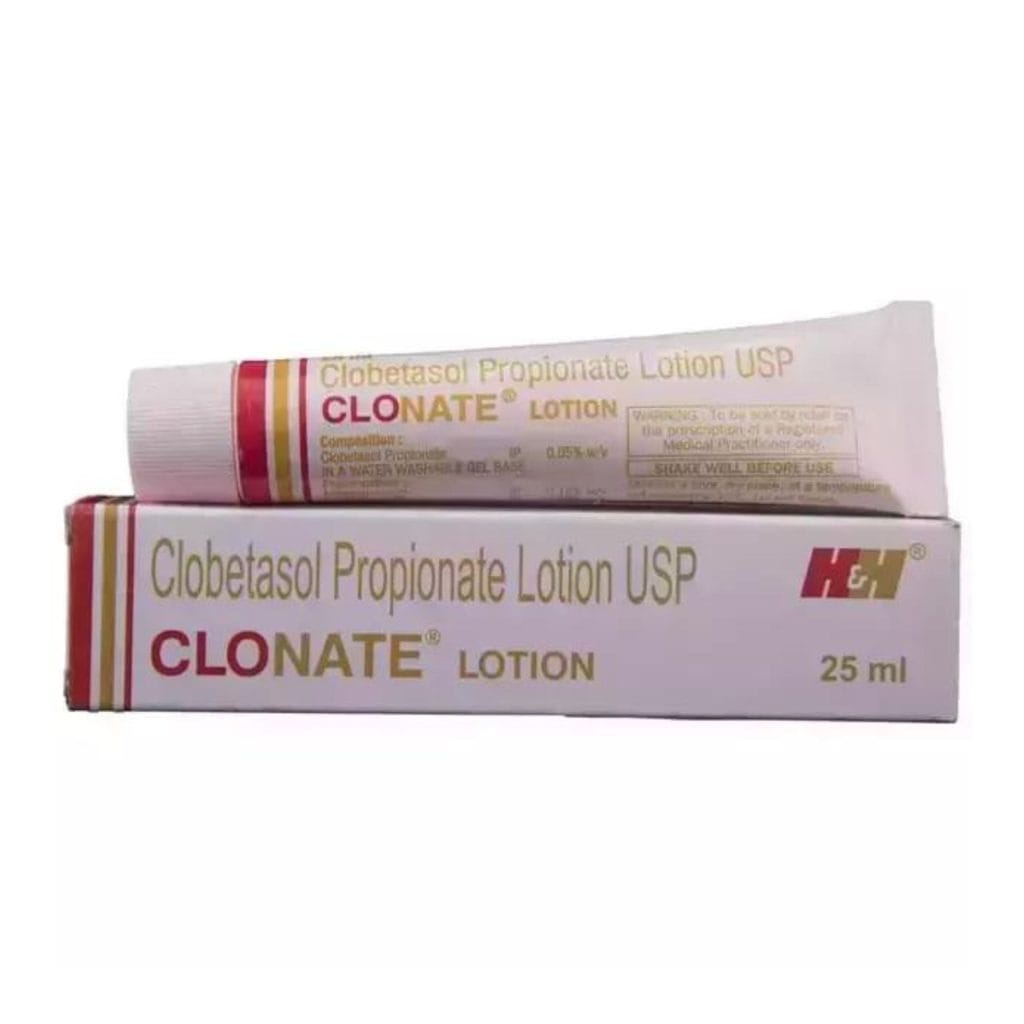
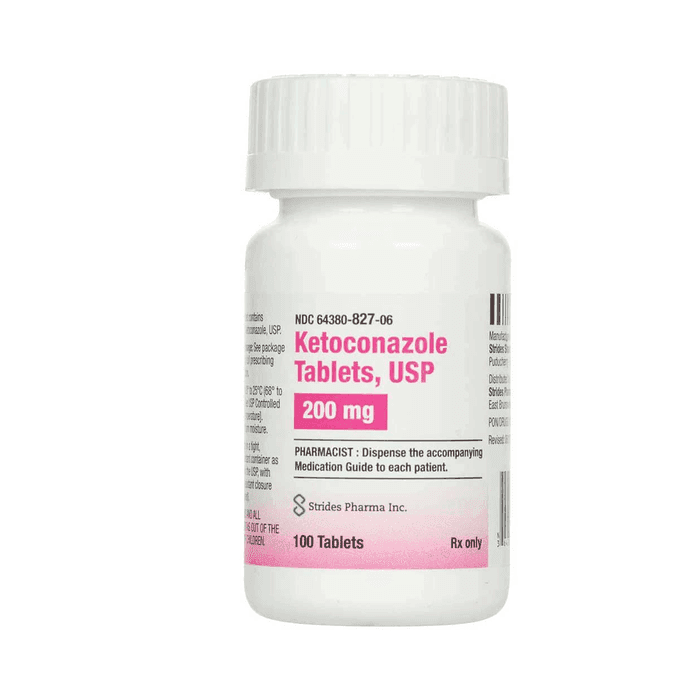
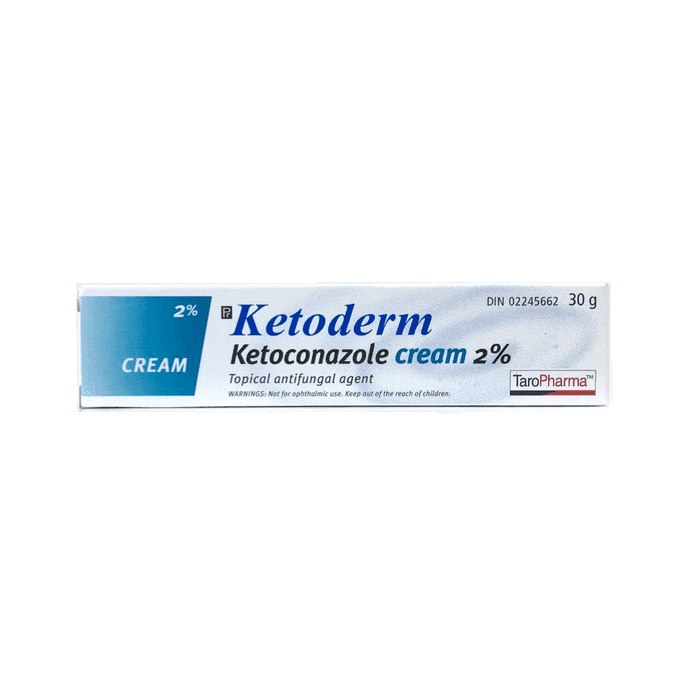
Book a telehealth visit to discuss Seborrheic Dermatitis
Find a doctor
Speciality
State

Video Visit
$69

Video Visit
$69

Video Visit
$69

Video Visit
$69

Video Visit
$69
Meet Dr. Priya Asija: Board-Certified Family Physician and Wound Care Specialist Committed to Comprehensive CarePriya Asija is a board-certified Family Medicine physician and Wound Care Specialist with more than 15 years of experience. Her work includes primary care, urgent care-style visits, telemedicine, and advanced wound management. She holds a Wound Care Certification (WCC) through NAWCO, is credentialed in hyperbarics, and maintains BLS and ACLS certifications. She is licensed to practice in Texas, Florida, Pennsylvania, Wisconsin, Alabama, Arizona and Illinois.Dedicated to delivering high-quality, patient-centered care, Dr. Asija treats a wide range of acute and chronic medical conditions, provides preventive services, and specializes in wound care and hyperbaric medicine. She is the owner of Brookfield Family Practice, division of SAAK Health Care, partner at SAAK Wound Care Clinic and Hyperbarics, and serves as Medical Director for Wisconsin Wound Pros. Her services include primary care visits, urgent care management, wound evaluations, hyperbaric therapy oversight, telemedicine consultations, and prescription refill appointments when medically appropriate to support continuity of care.Fluent in English, Dr. Asija combines strong clinical expertise with compassionate communication. She collaborates closely with patients and interdisciplinary teams to promote healing, preventive health, and long-term wellness, ensuring accessible and comprehensive care across the states in which she practices.
Read Bio
Speciality: Family Medicine
Speaks: English
Video Visit
$69

Video Visit
$69

Video Visit
$69

Video Visit
$69

Video Visit
$69

Video Visit
$69
Frequently Asked Questions
What kinds of items are included in this category page?
This category brings together common care options used for this condition. That often includes anti-dandruff and antifungal shampoos, plus creams or solutions for inflamed areas. Some options are nonprescription, while others require a prescription. Listings may note the active ingredient class, the product format, and typical use area. Educational notes may also cover common triggers, where symptoms show up, and when evaluation is helpful.
How is seborrheic dermatitis different from psoriasis?
Both conditions can cause scaling and redness, and they can affect the scalp. Seborrheic dermatitis often has greasy scale in oily areas, like scalp edges and nose folds. Psoriasis can form thicker, well-defined plaques, and it may affect elbows and knees. Some people have features of both, which can complicate self-identification. A clinician can compare pattern, scale quality, and history to support the most likely diagnosis.
When should someone seek urgent care for a flare?
Urgent care may be appropriate if there are signs of infection or a severe reaction. Concerning signs include rapidly spreading redness, warmth, pus-like drainage, fever, or significant swelling. Eye pain or vision changes also need prompt evaluation when facial rashes are involved. Severe blistering, hives, or trouble breathing after a new product can signal an allergic reaction. When in doubt, err on the side of timely medical assessment.
Can a telehealth visit help with scalp and facial scaling?
Telehealth can be useful for discussing symptoms, reviewing photos, and comparing likely causes. A clinician may ask about product history, seasonality, stress, and skin-care routines. They may also look for clues that suggest other conditions, like contact dermatitis or psoriasis. If a prescription is clinically appropriate, the clinician may coordinate options through a partner pharmacy, depending on state rules. Some cases still need in-person evaluation.
What information should I have ready before browsing or a visit?
It helps to have a short symptom timeline, plus photos from good and bad days. Note where the rash appears, like scalp edges, eyebrows, beard line, ears, or chest. List products already tried, including shampoos, soaps, and oils, and how skin reacted. Include any medication allergies and current prescriptions. If a child has cradle cap, note age and any skin sensitivity. This makes comparisons and conversations clearer.