


Dermatitis
Care Options for Dermatitis
Dermatitis is a broad term for inflamed, irritated skin with itching. It can look red, scaly, dry, or bumpy. Some people notice oozing, cracking, or thickened areas over time. Flare-ups often come and go, which can add stress.
This category page helps patients and caregivers browse common types. It also explains what clinicians often consider during evaluation. Many rashes share similar features, so the goal is clear, practical context. Visits are by video with licensed U.S. clinicians.
It can help to browse by pattern and location. Examples include eyelids, hands, scalp, or skin folds. For virtual care basics, visit Choosing A Virtual Visit.
Dermatitis What You’ll Find
This browse page brings together condition-specific collections and plain-language education. It supports comparing common subtypes and typical care pathways. It also highlights what tends to change when the rash is on hands, face, or scalp.
Many people start by exploring likely categories. Options can include Atopic Dermatitis, Contact Dermatitis, and Seborrheic Dermatitis. If exposure to a trigger seems important, Allergic Dermatitis can be a helpful comparison point.
Some pages focus on overlapping terms that get used interchangeably. For that broader view, browse Eczema Dermatitis. That collection can help clarify naming and common misunderstandings.
- Condition collections that group related symptoms and patterns
- Plain-language definitions of common subtype names
- High-level medication classes that may be discussed in care
- Practical notes about triggers, flare patterns, and skin care routines
How to Choose
Choosing what to read first is easier with a few anchor details. Location, timing, and exposures often narrow the possibilities. Photos taken in consistent lighting can help with pattern comparisons.
When browsing Dermatitis topics, it helps to focus on what changes day to day. Look for notes on seasonality, work or hobby exposures, and new products. Also watch for clues like greasy scale versus dry, cracked skin.
Quick tip: Keep a simple list of new soaps, lotions, and detergents.
Match the pattern and location
- Hands: consider frequent washing, gloves, and workplace irritants
- Face or eyelids: consider cosmetics, sunscreen, and airborne exposures
- Scalp: note flakes, itch, and whether hair products worsen symptoms
- Legs: note swelling, varicose veins, and skin discoloration
Use questions that support a clinical review
- What does the rash look like during a flare versus between flares?
- What exposures changed within the last few weeks?
- Are there other symptoms like pain, fever, or draining fluid?
- Which products have already been tried, and what happened?
- Is there a history of allergies, asthma, or sensitive skin?
For broader irritation causes and non-prescription basics, see Skin Irritation Treatments. For eczema-focused context, see Eczema Remote Support.
Safety and Use Notes
Many rashes look alike, even to experienced clinicians. A label like “dermatitis” can still require careful evaluation. Some causes need different care, including infection or drug reactions. In-person evaluation may be needed for severe or unclear cases.
Common discussion topics include topical corticosteroids (anti-inflammatory steroid creams) and calcineurin inhibitors (nonsteroid anti-inflammatory creams). These medications have specific use limits and safety cautions. The safest approach is to follow the prescribed directions and the official label. The Medispress app is HIPAA-compliant and built for privacy.
- Avoid using another person’s prescription skin medication
- Use extra caution with rashes near eyes, mouth, or genitals
- Seek prompt evaluation for rapidly spreading redness or severe pain
- Get urgent care for facial swelling, breathing trouble, or fainting
- Ask a clinician about interactions with other topical products
For a plain-language overview, see MedlinePlus on eczema. For skin-care basics, see American Academy of Dermatology guidance.
Access and Prescription Requirements
Access needs vary by product type and state rules. Some options are over the counter, while others require a prescription. When Dermatitis symptoms suggest an Rx may be appropriate, a clinician can review history and images. When appropriate, clinicians can coordinate prescriptions through partner pharmacies under state rules.
Prescription medications require clinical review and verification. Partner pharmacies dispense medications when a valid prescription is received. Some people prefer cash-pay options, often without insurance, for simpler checkout. Availability can vary based on medication and state regulations.
Why it matters: Clear photos can reduce back-and-forth during clinical review.
- Current medication list, including topical products and supplements
- Known allergies and past reactions to skin products or medications
- Rash timeline, including what triggers seem to worsen flare-ups
- Recent exposures, like new detergents, gloves, plants, or metals
- A preferred pharmacy option, if choices are offered in checkout
If comparing virtual care experiences, Doctor On Demand Notes can help set expectations for common visit steps. Details can differ across services, so it helps to read platform-specific instructions.
Related Resources
Dermatitis terms often overlap with eczema language in everyday use. That overlap can affect how people search and what they find first. Browsing both naming styles can make the next steps clearer.
To explore related collections, revisit Eczema Dermatitis for broader terminology, then compare subtype pages like Contact Dermatitis and Seborrheic Dermatitis. For navigation help before scheduling, Choosing A Virtual Visit explains typical documentation and follow-up steps.
This content is for informational purposes only and is not a substitute for professional medical advice.

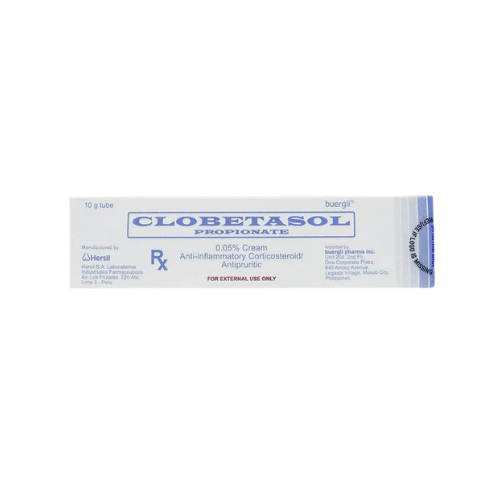
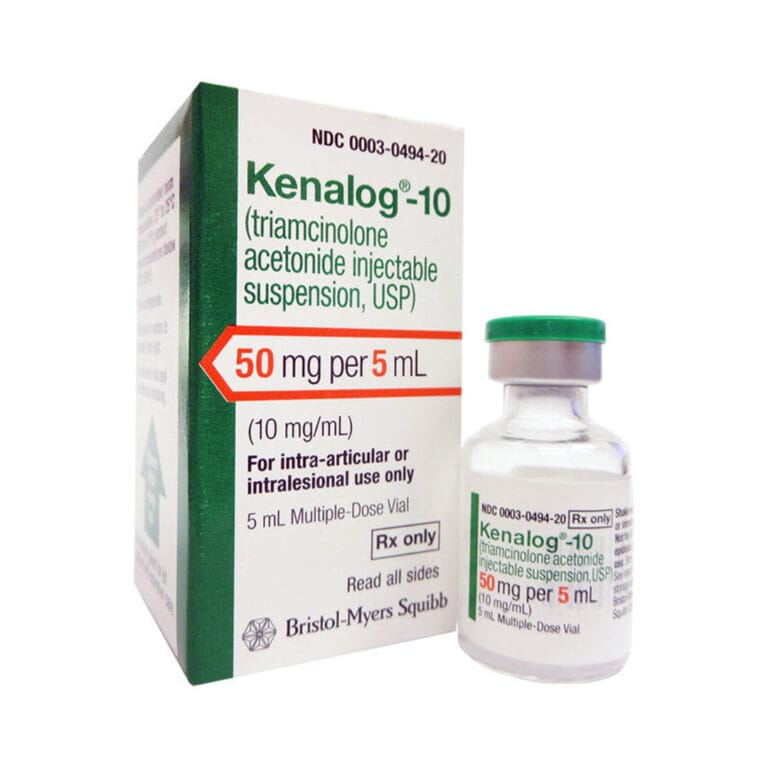
Find suitable medication for Dermatitis
Book a telehealth visit to discuss Dermatitis
Find a doctor
Speciality
State

Video Visit
$69

Video Visit
$69

Video Visit
$69

Video Visit
$69

Video Visit
$69

Video Visit
$69

Speciality: Dermatology, Family Medicine, Men's Health, Urgent Care, Women's health
Speaks: English, Spanish, French, Arabic, Portuguese
Video Visit
$69

Video Visit
$69

Video Visit
$69

Video Visit
$69

Video Visit
$69

Video Visit
$69
Frequently Asked Questions
What types of dermatitis are covered on this page?
This category groups several common dermatitis patterns and related terms. It can include atopic dermatitis (often called eczema), contact dermatitis from irritants or allergens, and seborrheic dermatitis that affects oily areas. Some collections also cover broader “eczema and dermatitis” naming, since the terms overlap online. Each linked condition page is meant to support browsing and education, not self-diagnosis. A clinician can help confirm the most likely cause when symptoms overlap.
How is dermatitis different from eczema?
Dermatitis is a broad medical term that means skin inflammation. Eczema is often used as an everyday term, and many people mean atopic dermatitis when they say “eczema.” Online, the words get mixed, which can make searching confusing. This browse page links to both naming styles, so it is easier to compare definitions. A clinician may use one term or the other based on the pattern, history, and suspected triggers.
What information helps a clinician assess a rash in a video visit?
Clinicians usually rely on a clear history plus good-quality images. Helpful details include when symptoms began, where the rash started, and how it changed. Photos taken in natural light from several angles can support pattern recognition. It also helps to note new soaps, detergents, cosmetics, gloves, plants, metals, or workplace exposures. A current medication list, known allergies, and past skin reactions can help avoid unsafe recommendations.
Are over-the-counter options listed alongside prescription options?
Many dermatitis care plans include both non-prescription and prescription items, depending on the condition. Over-the-counter options may include moisturizers, gentle cleansers, and anti-itch products, while prescriptions may include anti-inflammatory topical medications. What appears on a category page can vary by availability and state requirements. Prescription items require a clinician’s assessment and a valid prescription. Product pages and condition collections can help compare what is available for browsing.
When should a rash be evaluated urgently instead of online?
Urgent evaluation is important when symptoms suggest a more serious problem. Examples include trouble breathing, swelling of the face or throat, fainting, or widespread hives. Rapidly spreading redness, severe pain, high fever, or skin that looks infected also needs prompt care. New rashes after starting a medication deserve careful attention. If a rash involves the eyes with pain or vision changes, urgent in-person evaluation is often safest.