


Crohn's Disease
Care Options for Crohn's Disease
This category page brings together Crohn’s Disease resources for patients and caregivers. It focuses on practical information, not personal medical decisions. Use it to compare common care paths, medication categories, and support options.
Inflammatory bowel disease (IBD, long-term gut inflammation) can feel overwhelming. Clear definitions and the right records can make visits smoother. For nearby topics, browse our Inflammatory Bowel Disease collection.
Content here can help with planning questions for a visit. It can also support better tracking between appointments. For a plain-language overview, see the Crohn’s & Colitis Foundation.
Crohn’s Disease What You’ll Find
This browse page covers the building blocks people often ask about. That includes Crohn’s disease symptoms, possible causes, and how diagnosis is confirmed. It also summarizes Crohn’s disease treatment approaches at a high level.
Expect simple explanations of common terms seen in visit notes. Examples include remission strategies, flare management, and monitoring and tests. It also outlines how imaging like MRI enterography (small-bowel MRI) may appear in care plans.
Medispress telehealth visits are led by licensed U.S. clinicians.
Why it matters: A clear timeline of symptoms and treatments supports safer, faster decisions.
- Symptom patterns, triggers, and red flags to recognize
- How Crohn’s disease diagnosis is commonly documented
- Medication categories, including Crohn’s biologics and other Crohn’s disease medications
- Diet and nutrition topics, including common elimination approaches
- Complications to know, like fistulas and strictures
How to Choose
Different resources fit different moments, like a new diagnosis or a flare. Use the checklist below to stay organized while browsing. Keep the focus on questions to bring to a clinician.
Match the resource to the decision
- Identify the main goal: diagnosis clarity, symptom control, or prevention planning
- Note where inflammation occurs, if it is documented in records
- Check whether topics include perianal Crohn’s disease (around the anus)
- Look for balanced coverage of benefits, risks, and monitoring needs
- Prefer sources that reference clinical guidelines when possible
Bring the right context to a visit
- Recent labs, stool tests, and imaging reports, if available
- Procedure history, including colonoscopy findings when documented
- Medication history, including prior side effects and stop reasons
- Extra considerations for Pediatric Crohn’s disease or pregnancy planning
- Notes on stress, sleep, and mental health support needs
One useful prep tool is our Virtual Doctor Visit Guide. It covers practical steps like documenting concerns and uploading files. Keep questions short, specific, and easy to answer.
Safety and Use Notes
Many treatments affect the immune system or the gut lining. That can change infection risk, vaccine timing, and lab monitoring needs. It also shapes when symptoms should be treated as urgent.
Crohn’s disease medications range from anti-inflammatory drugs to immunomodulators and biologics. Biologics are proteins that target specific immune signals. Some people also discuss antibiotics, steroids, or nutrition support during flares.
Video appointments run in a secure, HIPAA-compliant app.
- Do not stop or restart prescriptions without clinician guidance
- Track new symptoms, including fever, dehydration signs, or bleeding
- Ask how monitoring and tests fit the plan, including repeat labs
- Clarify colonoscopy guidelines and imaging schedules in plain language
- Review complication risks, including abscesses, fistulas, and strictures
Quick tip: Keep a single list of meds, allergies, and prior reactions.
For diagnostic basics from a national health source, read the NIDDK Crohn’s disease overview. It explains testing and common next steps. It can also help when comparing IBD vs Crohn’s and Crohn’s vs ulcerative colitis.
Living with chronic symptoms can affect mood and sleep. Some people benefit from added coping tools and support groups. If anxiety is part of the picture, see Signs Of Anxiety Disorders for plain-language context.
Access and Prescription Requirements
Some items in this collection may require a prescription. When a prescription is needed, identity checks and prescription verification help support safe dispensing. Requirements can also vary by medication type and state rules.
During a Crohn’s Disease review, clinicians may ask for recent records. That often includes prior diagnoses, procedure reports, and current medication lists. Having these ready can reduce back-and-forth during coordination.
When clinically appropriate, clinicians may coordinate prescriptions through partner pharmacies, following state regulations.
- Prescription-only products require approval from a licensed clinician
- Some therapies may need baseline labs or follow-up monitoring documentation
- Medication changes can require updated problem lists and allergy histories
- Cash-pay options, often without insurance, may be available for some services
For ongoing care planning, browse Chronic Disease Management. For infection-focused care topics, see Infectious Diseases and the Infectious Disease browse page.
Related Resources
People often compare Crohn’s with other digestive conditions that share symptoms. Heartburn, nausea, and upper abdominal pain can overlap with other causes. If reflux is part of the conversation, review GERD Overview for terminology and common evaluation steps.
Daily habits can also affect comfort during flares and remission. Hydration, sleep routines, and gentle activity planning may support overall well-being. For simple, practical reading, see Benefits Of Hydration and Healthy Living And Longevity.
This Crohn’s Disease collection works best alongside clinical guidance and shared decision-making. Use it to stay organized and to find the right level of detail. Keep notes on what changed, what helped, and what still feels unclear.
This content is for informational purposes only and is not a substitute for professional medical advice.

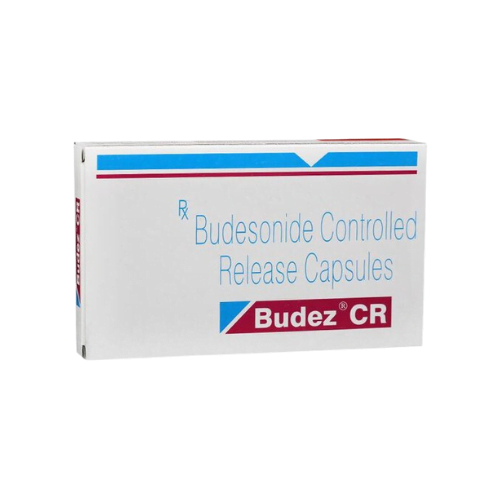
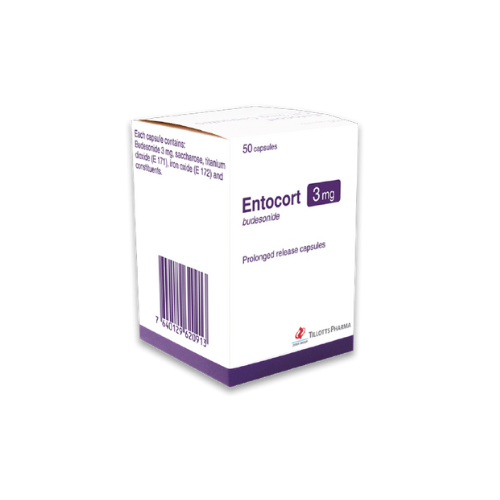
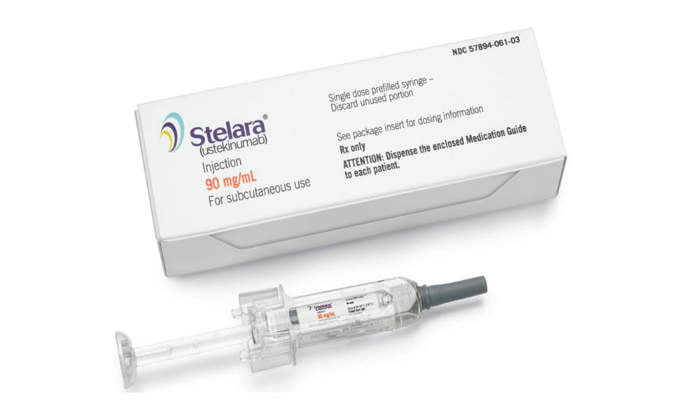
Find suitable medication for Crohn's Disease


Book a telehealth visit to discuss Crohn's Disease
Find a doctor
Speciality
State

Video Visit
$69

Video Visit
$69

Video Visit
$69

Video Visit
$69

Video Visit
$69
Meet Dr. Priya Asija: Board-Certified Family Physician and Wound Care Specialist Committed to Comprehensive CarePriya Asija is a board-certified Family Medicine physician and Wound Care Specialist with more than 15 years of experience. Her work includes primary care, urgent care-style visits, telemedicine, and advanced wound management. She holds a Wound Care Certification (WCC) through NAWCO, is credentialed in hyperbarics, and maintains BLS and ACLS certifications. She is licensed to practice in Texas, Florida, Pennsylvania, Wisconsin, Alabama, Arizona and Illinois.Dedicated to delivering high-quality, patient-centered care, Dr. Asija treats a wide range of acute and chronic medical conditions, provides preventive services, and specializes in wound care and hyperbaric medicine. She is the owner of Brookfield Family Practice, division of SAAK Health Care, partner at SAAK Wound Care Clinic and Hyperbarics, and serves as Medical Director for Wisconsin Wound Pros. Her services include primary care visits, urgent care management, wound evaluations, hyperbaric therapy oversight, telemedicine consultations, and prescription refill appointments when medically appropriate to support continuity of care.Fluent in English, Dr. Asija combines strong clinical expertise with compassionate communication. She collaborates closely with patients and interdisciplinary teams to promote healing, preventive health, and long-term wellness, ensuring accessible and comprehensive care across the states in which she practices.
Read Bio
Speciality: Family Medicine
Speaks: English
Video Visit
$69

Video Visit
$69

Video Visit
$69

Video Visit
$69

Video Visit
$69

Video Visit
$69
Frequently Asked Questions
What can be found on this Crohn's Disease category page?
This page groups practical resources related to Crohn’s, including symptom terms, diagnosis basics, and treatment categories. It can also highlight common monitoring topics, like labs, colonoscopy reports, or imaging summaries. Some collections may include items that require a prescription, plus administrative notes about verification. Use it to compare topics and organize questions for a clinician. It is not meant to replace individualized medical care.
How is Crohn’s disease different from IBD or ulcerative colitis?
IBD is an umbrella term for chronic inflammatory conditions of the digestive tract. Crohn’s disease and ulcerative colitis are the two main IBD types. Crohn’s can involve any part of the GI tract and may affect deeper tissue layers. Ulcerative colitis mainly affects the colon and rectum and typically involves the inner lining. A clinician uses history, labs, endoscopy, and imaging to confirm the specific diagnosis.
What information is helpful to have ready for a telehealth visit?
Helpful items include a current medication list, allergy history, and a brief symptom timeline. Past colonoscopy or biopsy summaries, imaging reports, and recent lab results can add useful context. Notes on prior treatments and why they were stopped also matter. If records are not available, a simple written summary can still help. Telehealth works best when key details are easy to review during the visit.
How are prescriptions handled when they are needed?
Prescription-only items require evaluation and approval by a licensed clinician. Platforms often use identity checks and prescription verification steps to support safe dispensing. When appropriate, a clinician may coordinate a prescription with a partner pharmacy, but rules can vary by state. Some therapies may involve additional monitoring documentation, depending on the medication class. Final prescribing decisions always depend on clinical judgment and local regulations.
When should Crohn’s symptoms be treated as urgent?
Urgent evaluation may be needed for severe abdominal pain, persistent vomiting, fainting, confusion, or signs of dehydration. Heavy rectal bleeding, high fever, or rapidly worsening weakness also warrants prompt care. Symptoms of bowel blockage can include severe cramping, swelling, and inability to pass stool or gas. People on immune-affecting therapies should take infection symptoms seriously. When in doubt, seek urgent or emergency care rather than waiting.