


Contact Dermatitis
Care Options for Contact Dermatitis
Skin rashes can look similar, even when causes differ. Contact Dermatitis often starts after skin touches an irritant or allergen. This category page supports patients and caregivers who want clear, practical context. It covers common triggers, symptom patterns, and ways clinicians sort look-alikes. It also helps explain related terms like hand dermatitis and eyelid reactions.
Use this browse page to compare topics before scheduling or messaging. Care visits happen by video with licensed U.S. clinicians. Clinicians review history and photos, then discuss next steps. The links below also help explore nearby skin-condition collections and guides.
Contact Dermatitis What You’ll Find
This collection focuses on browsing and education, not self-diagnosis. It highlights how exposure patterns can shape rash location and timing. It also helps separate contact reactions from broader inflammation patterns seen in Dermatitis and Eczema Dermatitis.
Many people want a simple way to compare likely triggers. Others want language for a visit note or photo set. You will see guidance on common contact allergens, irritants, and workplace exposures. Examples include fragrance allergy dermatitis, rubber accelerators allergy, and nickel allergy rash.
Some pages also cover common “where it shows up” patterns. That can include hand dermatitis, facial contact dermatitis, and eyelid contact dermatitis. These patterns can overlap with other rashes, so context matters.
- Typical exposure-related rash patterns and timing clues
- Common contact allergens and everyday irritants to consider
- Ways to track possible triggers without guessing treatments
- Notes on contact dermatitis vs eczema and other look-alikes
- Prevention ideas for repeat exposures at home or work
- Administrative basics for prescriptions and pharmacy verification
How to Choose
Many resources use similar words, but they answer different questions. This section helps pick the most useful pages first. It also supports better documentation for a clinician review. Contact Dermatitis content is most helpful when it stays exposure-focused.
Match the pattern to the likely trigger
- Check if the rash stays where skin touched the substance
- Note whether it follows a new product, job task, or hobby
- Compare “burning or stinging” versus “itching” descriptions
- Look for patterns tied to gloves, soaps, plants, or metals
- Consider repeat flares that follow the same routine change
- For immune-type reactions, browse Allergic Dermatitis for related context
Choose resources that support a clear clinical review
- Save clear photos in natural light from several angles
- Write down new items, including hair dye and topical antibiotics
- List brand names for soaps, cosmetics, gloves, and detergents
- Note work exposures for possible occupational contact dermatitis
- Track whether the rash improves away from the exposure setting
- If chronic itch is a theme, compare with Atopic Dermatitis summaries
Quick tip: Keep a dated list of new products and exposures.
For children, the same trigger can look different day to day. “Contact dermatitis in children” discussions often focus on gentle routines and exposure tracking. When flares keep returning, it can help to review what changed first, not last.
Safety and Use Notes
Rashes can worsen from scratching, friction, heat, and harsh cleansers. Some people also react to “treatment attempts,” not just the original trigger. Contact Dermatitis discussions often mention anti-inflammatory medicines, like topical corticosteroids (steroid creams). Clinicians may also discuss non-steroid options in some situations. Only a clinician can decide what fits a specific rash pattern.
- Seek urgent evaluation for breathing trouble, facial swelling, or widespread blistering
- Eye-area rashes need extra caution because skin is thin
- Plants like poison ivy can spread oil by touch and contaminated items
- Fragrances and preservatives can hide in many personal care products
- Latex allergy skin rash may relate to gloves and medical supplies
- Neomycin allergy dermatitis can complicate “first-aid” ointment use
For a plain-language overview of triggers and prevention, see this neutral reference from the American Academy of Dermatology.
The Medispress app is secure and built for HIPAA compliance.
If the main concern is “general irritation,” it may help to read Skin Irritation Treatments for broader terminology. That guide can also help frame questions for a clinician visit.
Access and Prescription Requirements
Some rash care involves over-the-counter skin barriers and gentle cleansers. Other options require a prescription and clinical review. Contact Dermatitis visits often focus on exposure history, symptom timing, and clear photos. When prescriptions are appropriate, licensed pharmacies typically verify the prescription before dispensing. Many patients use cash-pay options, often without insurance, when coverage is limited.
- Prescription status varies by medication and state requirements
- Pharmacies may request identity and address verification for dispensing
- Some treatments interact with other medicines or skin conditions
- Work-related rashes may need documentation for employer safety workflows
- Children and older adults may need extra safety screening
- Look-alikes like Seborrheic Dermatitis can change the discussion
- For eczema-specific context, see Treat Eczema Remotely
If appropriate, clinicians can route prescriptions to partner pharmacies under state rules.
Telehealth works best when notes are specific and photos are clear. It also helps to list product ingredients when available. That supports faster sorting between irritant contact dermatitis and allergic contact dermatitis patterns.
Related Resources
Use these links to keep browsing by theme and diagnosis family. For broader virtual skin-care context, read Teledermatology Services. For overlap topics, the Atopic Dermatitis Eczema collection can help compare common terms and symptom descriptions.
Some people also want general wellness support alongside skin care planning. If nutrition counseling is part of that planning, Virtual Nutrition Counseling explains what a remote visit typically covers. Contact Dermatitis questions still need clinician review, especially when symptoms persist or spread.
This content is for informational purposes only and is not a substitute for professional medical advice.

Find suitable medication for Contact Dermatitis
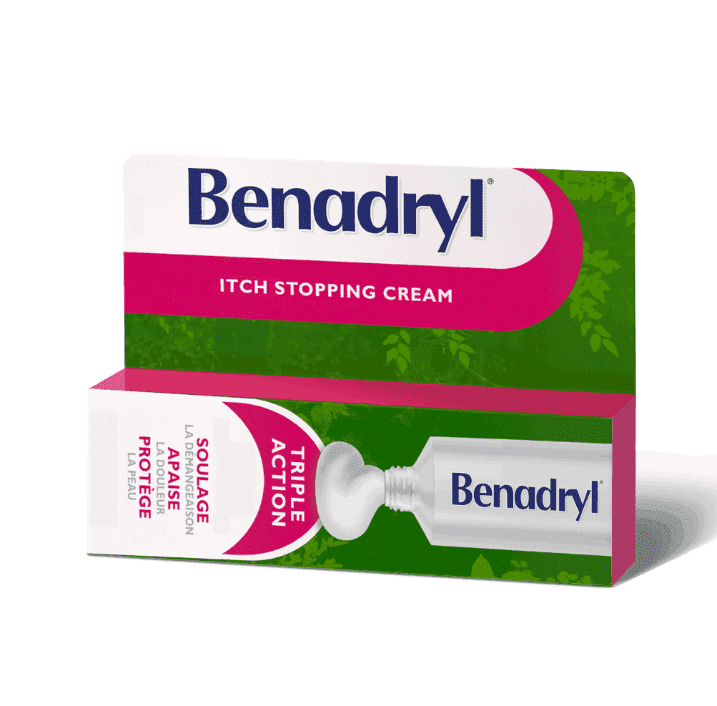
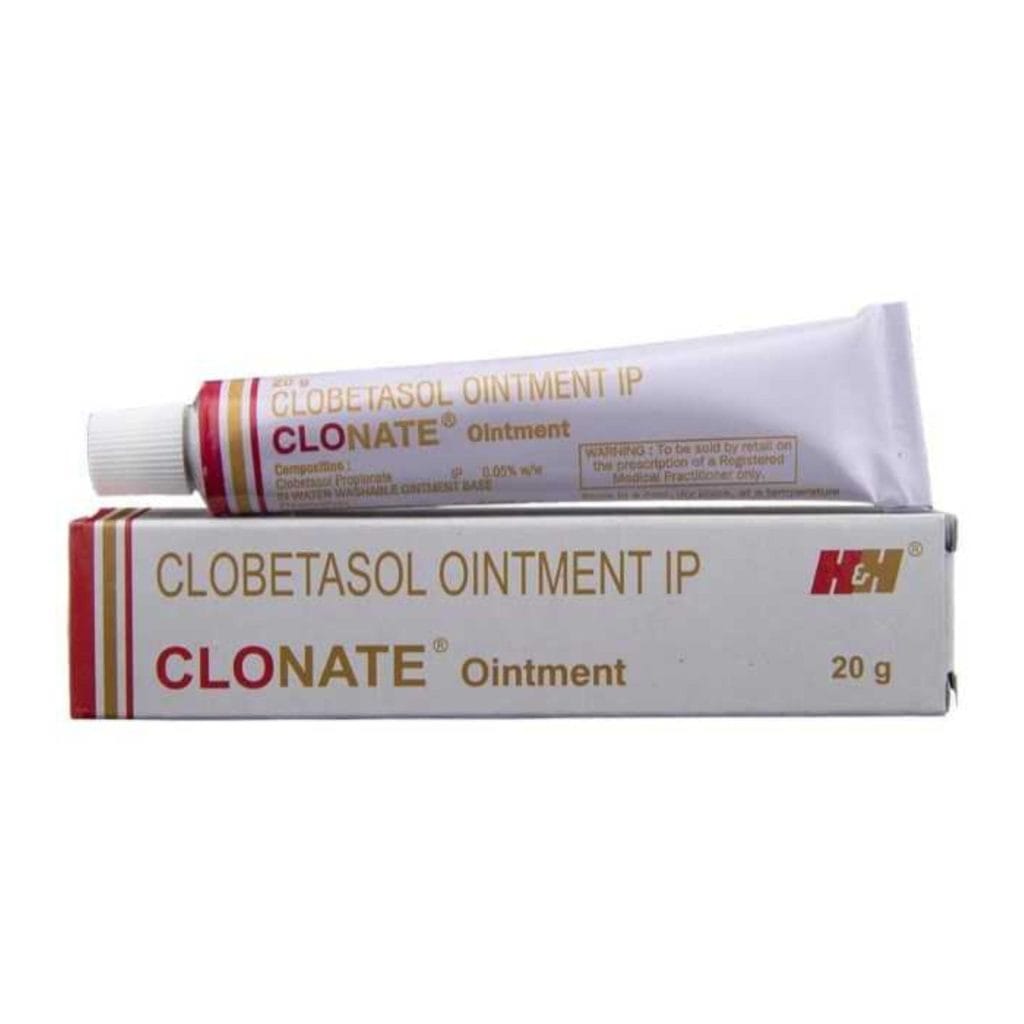
Book a telehealth visit to discuss Contact Dermatitis
Find a doctor
Speciality
State

Video Visit
$69

Video Visit
$69

Video Visit
$69

Video Visit
$69

Video Visit
$69

Video Visit
$69

Speciality: Dermatology, Family Medicine, Men's Health, Urgent Care, Women's health
Speaks: English, Spanish, French, Arabic, Portuguese
Video Visit
$69

Video Visit
$69

Video Visit
$69

Video Visit
$69

Video Visit
$69

Video Visit
$69
Frequently Asked Questions
What is the difference between allergic and irritant contact dermatitis?
Irritant contact dermatitis often follows direct damage from a harsh substance. Common examples include frequent handwashing, detergents, or solvents. Allergic contact dermatitis involves an immune response to a specific allergen. Triggers can include fragrance ingredients, nickel, rubber chemicals, or topical antibiotics. Both can cause redness, itching, and scaling. The timeline and pattern can help clinicians tell them apart. A careful exposure history and clear photos usually matter most.
How can I use this category page to compare resources?
Start by scanning sections that match the rash location and exposure setting. Then open related condition collections to compare look-alikes, like other dermatitis types. Use guide pages to learn the words clinicians use, such as “irritant” and “allergen.” Save any pages that match the suspected trigger category, like metals or fragrances. When browsing, focus on what changed before symptoms began. That helps keep notes organized for a visit.
What details are most helpful to share in a rash review?
Clear photos in natural light can help, especially close-up and wider shots. Dates matter, so note when the rash started and how it changed. List new products used on skin or hair, including brands and scents. Include glove use, cleaning products, and workplace exposures when relevant. Note symptoms like itching, burning, swelling, or blistering. Also list any skin conditions that existed before the flare. These details help clinicians narrow likely triggers.
When might prescription treatment be discussed for contact-related rashes?
Clinicians may discuss prescription options when symptoms are more severe, widespread, or persistent. They may also consider prescriptions when over-the-counter care has not helped. The choice depends on rash location, skin sensitivity, and other health factors. Some medicines are not ideal for certain body areas, like eyelids. A clinician also checks for infections or other diagnoses that can mimic contact reactions. Only a licensed clinician can decide what is appropriate.
When is a rash a reason for urgent medical care?
Some symptoms need prompt evaluation because they can signal a serious reaction. Examples include trouble breathing, swelling of lips or tongue, faintness, or rapid widespread hives. Seek urgent care for severe facial or eye swelling, extensive blistering, or signs of infection like fever with rapidly worsening redness. Rashes after new medicines also deserve timely review. If there is uncertainty, contacting a clinician quickly can help clarify the safest next step.