


Wasting
Care Options for Wasting
Wasting describes ongoing, unplanned weight loss with reduced strength and energy.
For caregivers, it can be hard to separate normal aging from illness-related change. This category page supports browsing care pathways, supportive options, and plain-language education.
It also explains cachexia (illness-related weight and muscle loss) and sarcopenia (age-related muscle loss). The goal is clearer communication, better documentation, and smoother clinical evaluation.
Medispress visits are video appointments with licensed U.S. clinicians.
Wasting: What You’ll Find
This browse page groups resources that relate to unintentional weight loss and muscle loss. Some listings focus on symptoms and common underlying causes. Others focus on supportive needs, like nutrition planning and functional strength.
When products are listed, details can help compare practical fit. That may include form, ingredients, dietary considerations, and basic handling notes. When services are listed, descriptions may note visit format, documentation needs, and follow-up expectations.
Care teams often use shared terms across conditions. This collection helps connect those terms to everyday descriptions, like appetite changes and fatigue. It also helps caregivers track patterns that clinicians can interpret.
- Definitions and plain-language explanations of common terms
- Common causes linked to chronic disease, infection, and aging
- Navigation to supportive products, when they are available
- Administrative notes on evaluation, referrals, and prescriptions
- Caregiver-friendly checklists for tracking changes over time
How to Choose
Different patterns of weight loss can point to different next steps. When browsing Wasting resources, start with the timeline and the context. A gradual decline in appetite can look different from a sudden change.
Why it matters: Details help clinicians build a differential diagnosis (possible causes list).
Match the pattern to the right information
Use the page to compare which resources fit the main concern. Some materials focus on nutrition and appetite support. Others focus on conditions that can drive weight loss, like thyroid disease or inflammatory bowel disease.
- Time course: weeks, months, or years of change
- Body changes: loss of muscle, strength, or endurance
- Appetite pattern: early fullness, nausea, taste changes, or pain
- Digestive clues: diarrhea, greasy stools, or trouble swallowing
- Systemic clues: fevers, night sweats, or persistent cough
- Medication history: new starts, dose changes, or side effects
- Daily function: falls, weakness, and reduced activity tolerance
- Diet constraints: allergies, kidney limits, or fluid restrictions
Prepare practical information for a visit
Resources often work best when paired with solid records. A simple weight trend and food intake notes are useful. Notes about sleep, mood, and pain can also provide context.
- Recent weights and dates, including home scale readings
- Recent illnesses, surgeries, or major stressors
- A current medication list, including vitamins and supplements
- Any recent labs or imaging reports, if already available
Safety and Use Notes
Unintentional weight loss can have many causes, from malabsorption to chronic infection. It can also occur with cancer-related cachexia, heart failure, COPD, and kidney disease. Because causes vary, education should not replace evaluation.
Wasting that progresses quickly may need more urgent review. Severe weakness, dehydration, or confusion can signal higher risk. Blood in stool, black stools, or persistent vomiting also deserve prompt attention.
- Rapid decline in strength or ability to do basic activities
- Chest pain, severe shortness of breath, or fainting
- Confusion, severe dizziness, or signs of dehydration
- Persistent fever, drenching night sweats, or coughing blood
- New severe abdominal pain, persistent vomiting, or black stools
Nutrition support can be helpful, but it is not one-size-fits-all. Some products may not fit certain conditions, like advanced kidney disease. Rapid changes in intake can also be risky in severe malnutrition, and clinicians may supervise plans.
For plain-language warning signs, see this MedlinePlus Unintentional Weight Loss overview.
For cancer-related cachexia definitions, review this NCI Cachexia Definition reference.
Appointments run in a secure, HIPAA-compliant app for private communication.
Access and Prescription Requirements
Some items in this collection may be available over the counter. Others require a prescription, depending on the product and the state. Wasting resources may also include clinician visits that focus on evaluation and documentation.
Prescription-only medications require review by a licensed clinician. Pharmacies typically verify prescription details before dispensing. Some people prefer cash-pay access, often without insurance, when that fits their situation.
- Rx status: whether a clinician order is required
- Basic identity checks used for prescription verification
- State rules that can affect which pharmacies may dispense
- Documentation needs for ongoing refills, when applicable
- Medication list review to reduce avoidable interactions
When appropriate, clinicians can coordinate prescriptions through partner pharmacies, following state rules.
Related Resources
Wasting often overlaps with broader topics like malnutrition in adults and muscle loss with chronic disease. Related terms include protein-energy malnutrition, BMI underweight, and failure to thrive in adults. Browsing these topics together can make conversations with clinicians clearer.
Start with the Medispress Home to explore other condition collections and care options. If a visit is planned, bringing a short written summary can save time. A simple list of symptoms, weights, and current medications is often enough.
Quick tip: Keep a one-page timeline of weights, appetite changes, and key events.
This content is for informational purposes only and is not a substitute for professional medical advice.

Find suitable medication for Wasting
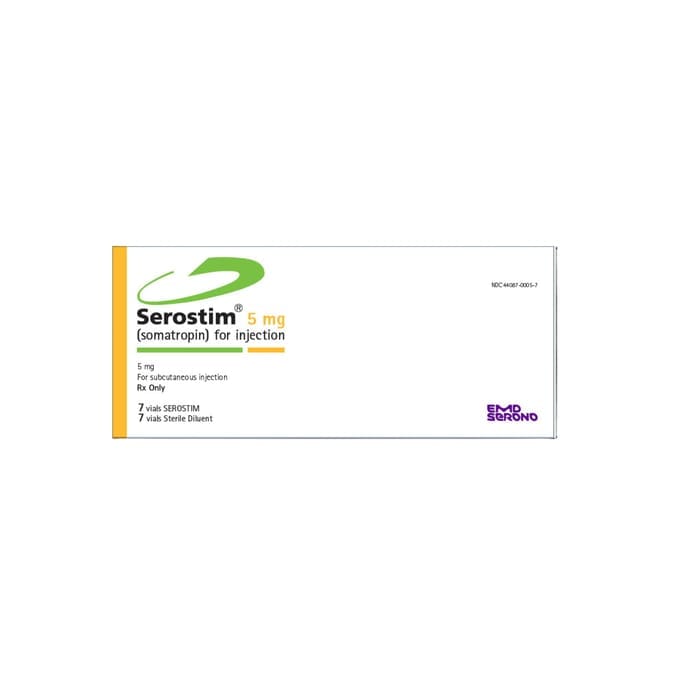
Book a telehealth visit to discuss Wasting
Find a doctor
Speciality
State

Video Visit
$69

Video Visit
$69

Video Visit
$69

Video Visit
$69

Video Visit
$69

Video Visit
$69

Speciality: Dermatology, Family Medicine, Men's Health, Urgent Care, Women's health
Speaks: English, Spanish, French, Arabic, Portuguese
Video Visit
$69

Video Visit
$69

Video Visit
$69

Video Visit
$69

Video Visit
$69

Video Visit
$69
Frequently Asked Questions
What does this Wasting category page include?
This category page brings together browsing options related to Wasting and unplanned weight loss. It may include educational explanations, administrative guidance, and links to relevant products or services when listed. Some entries may focus on common underlying causes, while others address supportive needs like nutrition planning. If prescription items appear, they require clinician review and pharmacy verification. The page is meant to help compare options and understand terminology, not replace medical care.
How do I know whether weight loss is concerning?
Concern often depends on speed of change, symptoms, and overall health context. Rapid weight loss, worsening weakness, dehydration, confusion, fainting, or severe shortness of breath can signal higher risk. Persistent fever, night sweats, blood in stool, black stools, or ongoing vomiting also warrant prompt evaluation. Even slower changes can matter when strength and daily function decline. A clinician can help interpret patterns and decide whether in-person testing is needed.
Can telehealth help with unintentional weight loss and muscle loss?
Telehealth can support an initial evaluation for unintentional weight loss and muscle loss. A clinician can review symptoms, medical history, medications, and home weight trends. They can also discuss nutrition concerns and functional changes, like fatigue or falls. Some situations still require in-person exams or urgent care, depending on symptoms and risk. Telehealth works best when weights, dates, and a current medication list are available to review.
Do I need a prescription for items in this collection?
It depends on what is listed on the page. Many supportive items are available without a prescription, while prescription medications require a licensed clinician’s authorization. Pharmacies typically confirm prescription details and patient information before dispensing. Requirements can vary by product type and state regulations. If a clinician visit is listed, the clinician decides what is clinically appropriate. The platform can support cash-pay access, including options without insurance, when available.
What information helps a clinician evaluate possible cachexia or sarcopenia?
Useful information includes weight changes over time, appetite trends, and how strength or endurance has shifted. Notes about nausea, early fullness, diarrhea, swallowing trouble, or greasy stools can help. Systemic symptoms like fever, night sweats, persistent cough, or pain also matter. A full medication and supplement list is important, including recent changes. If there are prior lab results or imaging reports, sharing them can provide context without repeating work.