


Vaginal Atrophy
Care Options for Vaginal Atrophy
Vaginal Atrophy is a common concern during perimenopause and after menopause. It can also happen with breastfeeding, certain medications, or cancer treatment. Symptoms often include vaginal dryness, burning, itching, and pain with sex. Some people also notice urinary urgency or recurrent UTIs during menopause. This category page brings together practical information and care pathways.
Browse options that people often discuss with clinicians, plus supportive nonprescription choices. You can also review related menopause education that explains body changes over time. The goal is to make comparisons easier and less stressful.
Medispress telehealth visits are video-based with licensed U.S. clinicians.
Vaginal Atrophy What You’ll Find
This browse page focuses on genitourinary syndrome of menopause (GSM), a menopause-related set of vaginal and urinary changes. It explains common patterns, like dryness with irritation, or discomfort that worsens with friction. It also clarifies terms like dyspareunia (painful intercourse) and atrophic vaginitis (inflammation linked to thinning tissue). Those labels can feel alarming, but they often describe the same underlying low-estrogen changes.
People often want to know what is nonhormonal versus prescription-only. This page helps sort those categories without pushing a single path. It also highlights why symptoms can overlap with infections, dermatitis, or pelvic floor issues. That overlap matters for the diagnosis of vaginal atrophy and next-step planning.
You will also see administrative details that affect access. Some items require a prescription and pharmacy verification. Other items are over-the-counter and focus on comfort and moisture support.
- Symptom overviews, including vaginal burning and itching
- Common vaginal atrophy causes, including low estrogen symptoms
- High-level vaginal atrophy treatment categories, from moisturizers to Rx options
- Notes on urinary urgency after menopause and recurrent UTIs menopause
- Context on postmenopausal vaginal changes and perimenopause vaginal symptoms
- Pointers for when to see a gynecologist and what to ask
How to Choose
Start by naming the main problem to solve. Some people mainly notice dryness. Others feel burning, itching, or pain with penetration. Some have urinary symptoms that feel like infections. A clear symptom pattern helps compare Vaginal Atrophy resources more effectively.
Match options to the main symptom pattern
- Dryness between sexual activity: consider nonhormonal vaginal moisturizers as baseline support
- Friction during sex: compare vaginal lubricants for dryness and ingredient types
- Burning or itching: review skin sensitivities, soaps, and possible irritants
- Bleeding or new discharge: plan for an in-person exam to rule out other causes
- Recurrent urinary symptoms: note timing, triggers, and prior urine testing history
- Breastfeeding vaginal dryness: flag lactation status when discussing options
Plan for comfort and consistency
- Consider how a product is applied and how often it is used
- Check whether ingredients might sting on irritated tissue
- Think about dexterity needs, including applicators or single-use formats
- List current medicines to screen for interactions and duplications
- Write down goals, such as less irritation or more comfort with intimacy
Quick tip: Keep a two-week log of symptoms and triggers.
Safety and Use Notes
Many conditions can mimic menopause-related tissue changes. Yeast, bacterial vaginosis, skin conditions, and some STIs can look similar. Persistent symptoms deserve a careful review rather than repeated self-treatment. This is especially important when symptoms include bleeding, strong odor, or pelvic pain.
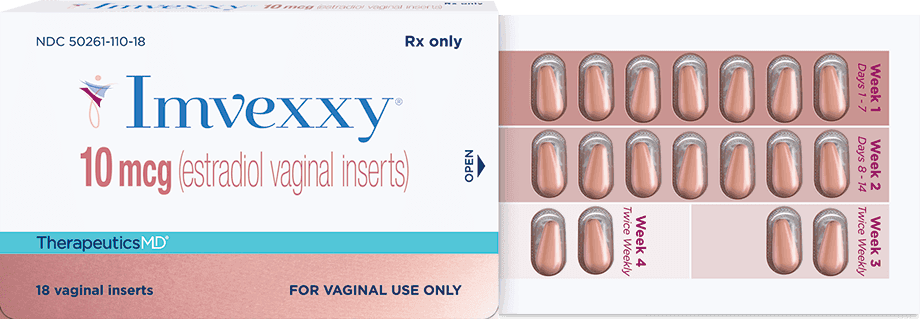
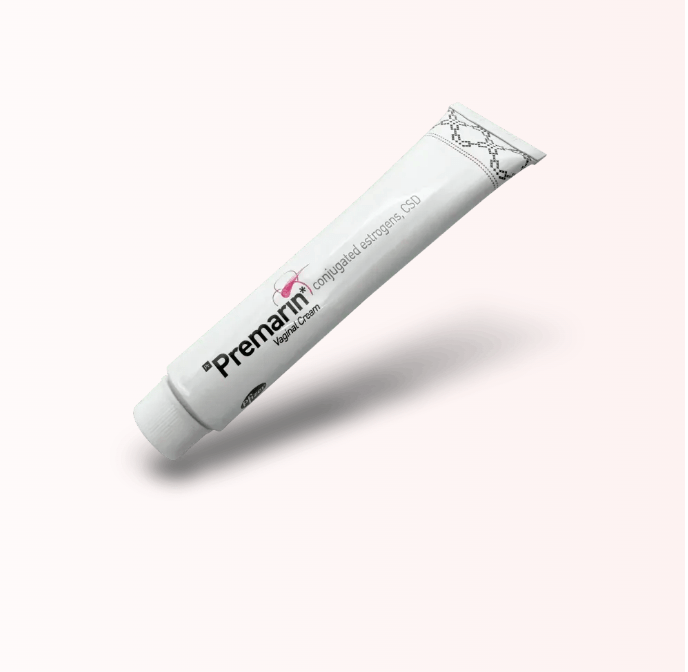
Vaginal Atrophy treatments include both nonprescription and prescription options. Common nonprescription choices include moisturizers and lubricants, plus gentle hygiene habits. Prescription options may include topical estrogen therapy, vaginal DHEA (prasterone), or ospemifene. A clinician will weigh history, risks, and preferences before discussing any prescription.
Why it matters: The right label helps avoid unnecessary antibiotics or antifungals.
Some people ask about laser therapy for vaginal atrophy or energy-based devices. Evidence and regulation vary, so questions are reasonable and common. For an official safety perspective, see the FDA safety communication on energy-based vaginal procedures. Pelvic floor therapy and a vaginal dilators guide may also come up, especially when pain and muscle guarding overlap.
Appointments on Medispress use a secure, HIPAA-compliant app.
Access and Prescription Requirements
Some symptom supports sit on a regular retail shelf. Others require a prescription because they change hormone signaling or tissue response. If a prescription is involved, pharmacies typically verify prescriber details and patient information. State rules may also shape what can be dispensed and how it ships.
Vaginal Atrophy care often starts with a history review and symptom details. A clinician may ask about menopause stage, breast cancer history, blood clot history, and abnormal bleeding. They may also ask about recurrent UTIs, urinary leakage, or pelvic floor symptoms. Those details help decide whether telehealth is appropriate or an in-person exam is needed.
Medispress uses a flat-fee model for telehealth visit billing. Some people use cash-pay options, often without insurance, depending on needs. If clinically appropriate, the provider may send a prescription to a partner pharmacy. Clinicians make the medical decisions, not the pharmacy or the platform.
Related Resources
Menopause brings many overlapping changes, and it helps to learn the bigger picture. For broader context on hormones and day-to-day symptoms, review Hormonal Health Tips For Women In Menopause. To understand how virtual care can fit into follow-up and check-ins, see Future Of Menopause Care. These resources support decisions around Vaginal Atrophy causes, symptom tracking, and what to discuss during visits. For a plain-language overview, see ACOG guidance on vaginal dryness.
This content is for informational purposes only and is not a substitute for professional medical advice.

Find suitable medication for Vaginal Atrophy



Book a telehealth visit to discuss Vaginal Atrophy
Find a doctor
Speciality
State

Video Visit
$69

Video Visit
$69

Video Visit
$69

Video Visit
$69

Video Visit
$69
Meet Dr. Priya Asija: Board-Certified Family Physician and Wound Care Specialist Committed to Comprehensive CarePriya Asija is a board-certified Family Medicine physician and Wound Care Specialist with more than 15 years of experience. Her work includes primary care, urgent care-style visits, telemedicine, and advanced wound management. She holds a Wound Care Certification (WCC) through NAWCO, is credentialed in hyperbarics, and maintains BLS and ACLS certifications. She is licensed to practice in Texas, Florida, Pennsylvania, Wisconsin, Alabama, Arizona and Illinois.Dedicated to delivering high-quality, patient-centered care, Dr. Asija treats a wide range of acute and chronic medical conditions, provides preventive services, and specializes in wound care and hyperbaric medicine. She is the owner of Brookfield Family Practice, division of SAAK Health Care, partner at SAAK Wound Care Clinic and Hyperbarics, and serves as Medical Director for Wisconsin Wound Pros. Her services include primary care visits, urgent care management, wound evaluations, hyperbaric therapy oversight, telemedicine consultations, and prescription refill appointments when medically appropriate to support continuity of care.Fluent in English, Dr. Asija combines strong clinical expertise with compassionate communication. She collaborates closely with patients and interdisciplinary teams to promote healing, preventive health, and long-term wellness, ensuring accessible and comprehensive care across the states in which she practices.
Read Bio
Speciality: Family Medicine
Speaks: English
Video Visit
$69

Video Visit
$69

Video Visit
$69

Video Visit
$69

Video Visit
$69

Video Visit
$69
Frequently Asked Questions
What are common symptoms linked to vaginal atrophy?
Symptoms often include vaginal dryness, burning, or itching. Some people notice pain with sex or tampon use. Light spotting after sex can also occur. Urinary urgency and frequent urination may happen too. Some people get recurrent UTIs around menopause. Symptoms can overlap with infections or skin irritation. A clinician can help sort out the cause. Track timing, triggers, and any new discharge or odor.
What is genitourinary syndrome of menopause (GSM)?
Genitourinary syndrome of menopause, or GSM, describes a group of changes. It includes vaginal and urinary symptoms linked to lower estrogen levels. Vaginal dryness and discomfort often come first. Some people also notice urinary urgency or repeated UTIs. Clinicians may use GSM and atrophic vaginitis as related terms. The label helps guide evaluation and treatment discussions. It does not replace an exam when symptoms are new or severe.
What types of treatments are often discussed for vaginal dryness and discomfort?
Clinicians often start by separating nonprescription and prescription options. Nonprescription choices include vaginal moisturizers and lubricants. Prescription options may include topical estrogen therapy, vaginal DHEA (prasterone), or ospemifene. Pelvic floor therapy can help when muscle tension worsens pain. A clinician considers medical history, symptom pattern, and preferences. They also look for infection, skin conditions, or bleeding causes. The best plan depends on the full clinical picture.
How does Medispress handle telehealth visits and prescription coordination?
Medispress offers video telehealth visits with licensed U.S. clinicians. Visits occur in a secure, HIPAA-compliant app. The clinician reviews symptoms, history, and safety factors. They decide whether evaluation is appropriate through telehealth. When clinically appropriate, the provider may coordinate prescription options. Partner pharmacies may dispense medications, depending on state rules. Pharmacy teams typically complete required prescription verification steps before dispensing.
When should someone seek in-person care for vaginal or urinary symptoms?
In-person care is important for certain symptoms and situations. Seek prompt evaluation for unexplained vaginal bleeding or severe pelvic pain. Fever, flank pain, or vomiting with urinary symptoms also needs urgent review. New sores, a new mass, or strong odor can signal another condition. Symptoms that persist despite basic measures deserve an exam. People with a complex medical history may need in-person assessment sooner. A clinician can guide the safest next step.