


Transthyretin Amyloidosis
Care Options for Transthyretin Amyloidosis
Transthyretin Amyloidosis is a rare disease caused by transthyretin protein buildup.
This category page supports practical browsing for patients and caregivers. It brings together key terms, care pathways, and medication topics.
Many people see labels like ATTR amyloidosis, hATTR, or wtATTR. This page explains those terms in plain language.
Transthyretin Amyloidosis: What You’ll Find
This collection focuses on the two most discussed patterns of ATTR disease. One pattern affects the heart, and another affects nerves.
Heart-focused browsing often uses terms like cardiac amyloidosis or transthyretin cardiomyopathy. For that angle, browse the ATTR Cardiomyopathy Collection for definitions and care topics.
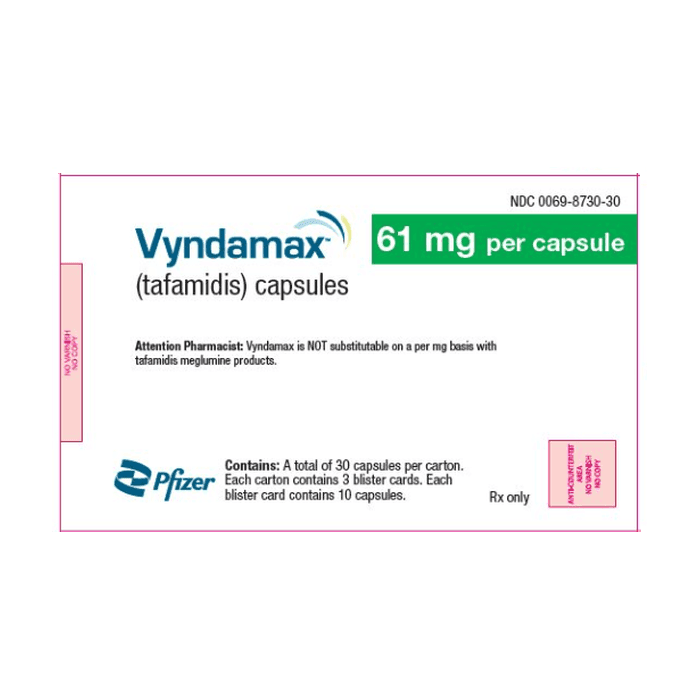
Medication discussions may include stabilizers and gene-silencing therapies. Examples include tafamidis, patisiran, inotersen, and vutrisiran.
| Term seen on reports | What it usually means |
|---|---|
| ATTR amyloidosis | Amyloid deposits linked to transthyretin (TTR) protein |
| hATTR vs wtATTR | Hereditary form versus age-related “wild type” form |
| TTR gene mutation | A genetic change that can drive hereditary disease |
| ATTR polyneuropathy | Nerve damage symptoms like numbness, pain, or weakness |
| Amyloid cardiomyopathy | Heart muscle stiffness from amyloid deposits |
| Disease staging | How clinicians describe severity and organ involvement |
- Plain-language summaries of common symptoms and patterns
- Key testing terms that appear in clinic notes
- High-level overviews of medicine categories and names
- Administrative notes about prescriptions and referrals
- Links to closely related browse pages on heart and nerve disease
- Discussion prompts for specialist visits and follow-up planning
Medispress offers video telehealth visits with licensed U.S. clinicians.
How to Choose
When comparing Transthyretin Amyloidosis resources, note the main clinical focus. Some pages lean cardiac, while others lean neurologic.
Why it matters: The same symptom can mean different things in ATTR disease.
Match the resource to the main problem area
- Heart symptoms: shortness of breath, swelling, exercise limits, or fainting episodes
- Nerve symptoms: burning pain, numbness, weakness, or balance trouble
- Mixed symptoms: carpal tunnel history plus new heart failure signs
- Family history: relatives with amyloidosis or unexplained cardiomyopathy
- Age and onset pattern: earlier onset may raise hereditary questions
- Existing conditions: kidney disease or arrhythmias can shape discussions
Look for clear definitions and sourcing
- Does the page explain hATTR and wtATTR without jargon overload?
- Does it separate symptoms from confirmed ATTR diagnosis terminology?
- Does it mention common evaluation tools, without claiming availability?
- Does it encourage questions for clinicians, instead of giving dosing advice?
- Does it describe what genetic testing for TTR can and cannot show?
- Does it note that specialist referral centers may be involved for complex cases?
Helpful pages also list “report words” that cause confusion. Examples include echocardiogram red flags, technetium pyrophosphate (PYP) scan, and endomyocardial biopsy (heart tissue sampling).
Safety and Use Notes
Transthyretin Amyloidosis therapies can involve long-term treatment and monitoring. Clinicians typically weigh subtype, organ involvement, and test results.
Different medicine types also carry different safety considerations. Labels may describe side effects, lab monitoring, and pregnancy precautions.
- TTR stabilizers aim to reduce TTR protein misfolding
- RNA interference therapies target TTR production in the liver
- Antisense therapies also reduce TTR production, with specific monitoring needs
- Drug interactions can matter, especially with heart rhythm medications
- Neuropathy symptoms can overlap with diabetes or vitamin deficiencies
- Cardiac amyloidosis can overlap with common heart failure diagnoses
For label-based details, see FDA tafamidis prescribing information for approved uses and warnings.
For another example, review FDA vutrisiran prescribing information for safety and monitoring language.
Visits take place in a secure, HIPAA-compliant app for private video care.
Access and Prescription Requirements
Some Transthyretin Amyloidosis medicines require a prescription and pharmacy verification. The prescribing clinician decides whether treatment is clinically appropriate.
Access steps can vary by medication type and state regulations. Cash-pay may be an option, including without insurance, for some patients.
Quick tip: Keep a one-page timeline of symptoms and major test dates.
- Have a current medication list, including supplements and over-the-counter items
- Keep key documents handy, like imaging summaries or genetic test results
- Confirm pharmacy details and preferred contact methods before the visit
- Expect identity and prescription validation when required for dispensing
- Plan extra time for specialty medications that need added coordination
- Ask how follow-ups work for monitoring, labs, and side effect tracking
When appropriate, clinicians can route prescriptions to partner pharmacies under state regulations.
Related Resources
Related links can help organize next steps around Transthyretin Amyloidosis care. They also help keep heart and nerve topics separated during browsing.
For nerve-focused navigation, visit the ATTR Polyneuropathy Collection and compare symptom terms used in notes. For heart-focused browsing, the cardiomyopathy page above can clarify phrases like amyloid cardiomyopathy and transthyretin cardiomyopathy.
Some people also look for management guidelines and disease staging language. Those topics can support clearer conversations with specialty referral centers.
This content is for informational purposes only and is not a substitute for professional medical advice.

Find suitable medication for Transthyretin Amyloidosis
Book a telehealth visit to discuss Transthyretin Amyloidosis
Find a doctor
Speciality
State

Video Visit
$69

Video Visit
$69

Video Visit
$69

Video Visit
$69

Video Visit
$69
Meet Dr. Priya Asija: Board-Certified Family Physician and Wound Care Specialist Committed to Comprehensive CarePriya Asija is a board-certified Family Medicine physician and Wound Care Specialist with more than 15 years of experience. Her work includes primary care, urgent care-style visits, telemedicine, and advanced wound management. She holds a Wound Care Certification (WCC) through NAWCO, is credentialed in hyperbarics, and maintains BLS and ACLS certifications. She is licensed to practice in Texas, Florida, Pennsylvania, Wisconsin, Alabama, Arizona and Illinois.Dedicated to delivering high-quality, patient-centered care, Dr. Asija treats a wide range of acute and chronic medical conditions, provides preventive services, and specializes in wound care and hyperbaric medicine. She is the owner of Brookfield Family Practice, division of SAAK Health Care, partner at SAAK Wound Care Clinic and Hyperbarics, and serves as Medical Director for Wisconsin Wound Pros. Her services include primary care visits, urgent care management, wound evaluations, hyperbaric therapy oversight, telemedicine consultations, and prescription refill appointments when medically appropriate to support continuity of care.Fluent in English, Dr. Asija combines strong clinical expertise with compassionate communication. She collaborates closely with patients and interdisciplinary teams to promote healing, preventive health, and long-term wellness, ensuring accessible and comprehensive care across the states in which she practices.
Read Bio
Speciality: Family Medicine
Speaks: English
Video Visit
$69

Video Visit
$69

Video Visit
$69

Video Visit
$69

Video Visit
$69

Video Visit
$69
Frequently Asked Questions
What does ATTR mean in transthyretin amyloidosis?
ATTR is short for “amyloid transthyretin.” It describes amyloid deposits made from the transthyretin (TTR) protein. Clinicians often divide ATTR into hereditary transthyretin amyloidosis (hATTR), linked to a TTR gene mutation, and wild type transthyretin amyloidosis (wtATTR), which is not inherited. Many pages also use the terms TTR amyloidosis and ATTR amyloidosis. The labels can help clarify likely organ involvement and evaluation paths.
What is the difference between hATTR and wtATTR?
hATTR means hereditary transthyretin amyloidosis. It involves a TTR gene mutation that can run in families. wtATTR means wild type transthyretin amyloidosis. It is not caused by an inherited mutation, and it is often diagnosed later in life. Clinicians may discuss genetic testing for TTR to help clarify subtype. Subtype matters because it can affect family risk discussions and the clinical picture over time.
What information should be ready before scheduling a telehealth visit?
Have a short symptom summary and a current medication list. Include prescription drugs, over-the-counter products, and supplements. Gather key test summaries if available, such as echocardiogram notes or scan reports. A simple timeline helps, like “first numbness,” “first shortness of breath,” and major clinic visits. It also helps to confirm the preferred pharmacy details in the Medispress account, since prescriptions may be sent electronically when appropriate.
How do prescriptions work for transthyretin amyloidosis medications?
Many therapies discussed for ATTR require a prescription. A licensed clinician reviews history and decides what is appropriate. If a prescription is issued, it may be sent to a pharmacy for dispensing, following state rules. Some medications need added coordination or safety checks before dispensing. Patients may also see cash-pay pathways discussed, sometimes as an alternative when coverage is limited. Exact requirements depend on the medication and local regulations.
When should symptoms be treated as urgent?
Some symptoms need urgent evaluation, even when ATTR is only suspected. Emergency care is appropriate for chest pain, severe shortness of breath, fainting, sudden weakness, or new confusion. Rapid swelling, fast weight gain, or worsening dizziness can also signal serious heart issues. Severe dehydration, inability to keep fluids down, or uncontrolled pain may also require urgent help. For non-emergency changes, clinicians can help interpret symptom patterns and next-step testing language.