


Transthyretin Amyloidosis (Polyneuropathy)
Care Options for Transthyretin Amyloidosis (Polyneuropathy)
Living with Transthyretin Amyloidosis (Polyneuropathy) can feel complex and fast moving. This browse page brings together practical information for patients and caregivers. It focuses on nerve-related ATTR amyloidosis, also called hATTR amyloidosis polyneuropathy or ATTRv polyneuropathy.
This condition involves amyloid (abnormal protein deposits) that can affect nerves. Symptoms can include numbness, burning pain, weakness, and balance problems. Some people also have autonomic neuropathy (nerves that control digestion and blood pressure). Appointments happen in a secure, HIPAA-compliant app.
Transthyretin Amyloidosis (Polyneuropathy) What You’ll Find
This category page supports browsing across common care and medication pathways. It is built for organization, not self-treatment decisions. The goal is to make it easier to compare options side by side.
Many listings and resources use different names for this condition. You may see hereditary transthyretin amyloidosis, familial amyloid polyneuropathy, or transthyretin-mediated amyloidosis neuropathy. This page keeps terminology consistent, so details stay easier to follow.
Some people also track whether symptoms look more nerve-focused or heart-focused. That split can shape which specialists get involved. It can also change which questions matter most at each visit.
- Condition-aligned medication and care options, when available in this category
- Plain-language explanations of therapy types and what they aim to address
- Administrative notes that affect access, refills, and documentation
- Supportive care topics, like mobility, nutrition, and symptom tracking
- Context for common terms, including “ATTR” and “amyloid” wording
- Links to related Medispress condition pages for broader ATTR context
How to Choose
Choosing what to review first depends on symptoms, logistics, and goals. It also depends on what has already been evaluated by a clinician. For Transthyretin Amyloidosis (Polyneuropathy), people often balance symptom relief with disease-directed therapy discussions.
Use these filters as a practical checklist while browsing. Keep notes in one place, so details do not get lost. Share those notes with a licensed clinician during a visit.
Compare options in a structured way
- Main symptom pattern, such as pain, numbness, weakness, or gait changes
- Autonomic issues, like dizziness, bowel changes, or sweating differences
- Daily function priorities, including work tasks, sleep, and mobility needs
- Other health conditions that may affect medication choices and monitoring
- Current medication list, including supplements and over-the-counter products
- Route of administration expectations, such as oral, injection, or infusion
- Time and travel constraints for follow-ups and coordination
- Preference for written education, checklists, or brief summaries
Plan questions for the next visit
Try grouping questions by topic, not by medication name. That keeps the conversation clear when details feel overwhelming. It also helps caregivers support follow-through after the appointment.
Quick tip: Keep a single list of medicines, allergies, and past reactions.
- What goals matter most for the next three to six months
- Which symptoms need urgent attention versus routine follow-up
- What “progression” can look like in amyloid neuropathy symptoms
- How clinicians weigh nerve symptoms versus possible heart involvement
- Which side effects to watch for with any new prescription therapy
Safety and Use Notes
Treatments for hereditary ATTR can include TTR stabilizers and gene-silencing therapy. These options have specific eligibility and safety details. Visits are by video with licensed U.S. clinicians.
Some therapies target the underlying transthyretin (TTR) process. Others focus on supportive care for amyloid neuropathy, like mobility planning. Many people use a mix of approaches across time.
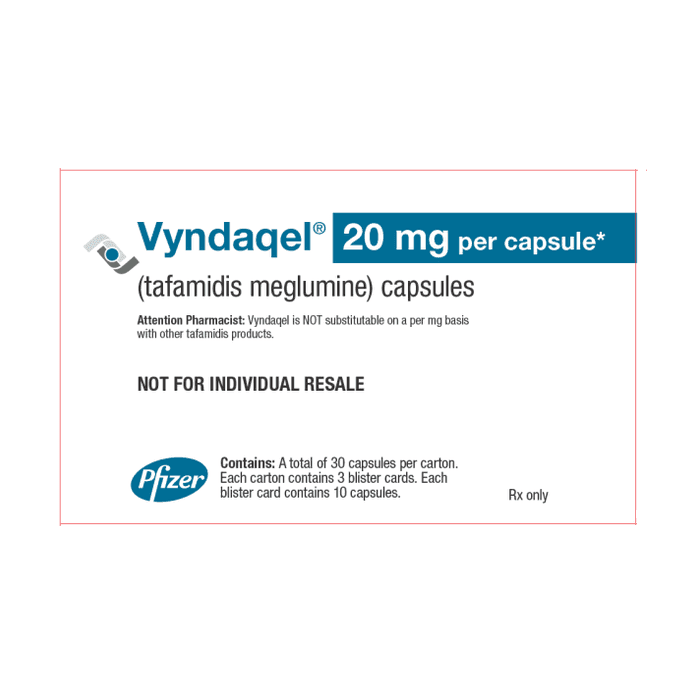
Medication names may come up during browsing and clinician discussions. Examples include patisiran, inotersen, vutrisiran, and tafamidis. These are prescription-only therapies with detailed labeling and monitoring guidance.
For label-based safety details and full warnings, review an official source. Read official FDA prescribing information for patisiran: FDA Onpattro Label PDF.
Why it matters: Nerve and heart symptoms can overlap in ATTR conditions.
- Discuss new or worsening symptoms with a clinician as soon as possible
- Share a full medication list to reduce avoidable interaction risks
- Confirm how refills work and what information pharmacies may request
- Ask how side effects should be reported and documented
- Do not stop a prescription suddenly without clinician guidance
- Use the official label for storage, missed dose, and handling rules
Access and Prescription Requirements
Access can depend on diagnosis history, state rules, and pharmacy processes. Prescription medications require a valid prescription from a licensed clinician. Pharmacies may also verify identity and clinical documentation.
This category page highlights practical steps that affect follow-through. Transthyretin Amyloidosis (Polyneuropathy) care often involves more than one specialist. Clear records can reduce delays when information must move between offices.
Some people use cash-pay options, including options without insurance. Others use insurance, depending on personal coverage and plan rules. Coverage requirements can differ across medications and across plans.
When appropriate, clinicians can coordinate prescriptions through partner pharmacies, per state rules.
- Prescription-only items cannot be dispensed without clinician authorization
- Pharmacies may require verification before they can dispense certain therapies
- Some medications have special handling requirements set by the manufacturer
- Refill timing can depend on prescriber instructions and pharmacy policies
- Documentation requests may occur when a therapy is high-complexity
- Keep records updated when addresses or contact details change
Related Resources
It can help to review ATTR topics beyond nerve symptoms alone. Many people compare cardiomyopathy vs polyneuropathy in ATTR over time. Use related pages to keep context clear while browsing.
Browse Medispress pages for broader ATTR context, including Transthyretin Amyloidosis and Transthyretin Amyloidosis Cardiomyopathy. These pages can help connect terminology across visits and referrals. Transthyretin Amyloidosis (Polyneuropathy) may still be discussed alongside heart findings in some cases.
For an independent overview of familial amyloid polyneuropathy, use a trusted reference. See a plain-language summary from NORD: NORD Familial Amyloid Polyneuropathy.
- Bring a symptom timeline to visits, including changes in walking and balance
- Track autonomic changes, such as bowel patterns and lightheadedness
- Keep caregiver notes in one place for easier appointment follow-up
- Ask for written next steps after visits, especially for complex plans
- Confirm which clinician manages refills when multiple specialists are involved
This content is for informational purposes only and is not a substitute for professional medical advice.

Find suitable medication for Transthyretin Amyloidosis (Polyneuropathy)
Book a telehealth visit to discuss Transthyretin Amyloidosis (Polyneuropathy)
Find a doctor
Speciality
State

Video Visit
$69

Video Visit
$69

Video Visit
$69

Video Visit
$69

Video Visit
$69

Video Visit
$69

Speciality: Dermatology, Family Medicine, Men's Health, Urgent Care, Women's health
Speaks: English, Spanish, French, Arabic, Portuguese
Video Visit
$69

Video Visit
$69

Video Visit
$69

Video Visit
$69

Video Visit
$69

Video Visit
$69
Frequently Asked Questions
What does polyneuropathy mean in ATTR amyloidosis?
Polyneuropathy means more than one peripheral nerve is affected. In ATTR amyloidosis, amyloid deposits can damage nerves over time. People may notice numbness, tingling, burning pain, or weakness. Some also have autonomic symptoms, like bowel changes or dizziness. Clinicians often describe this as hereditary transthyretin amyloidosis with polyneuropathy. The exact pattern can vary by person and by disease stage.
What types of treatments are discussed for hATTR polyneuropathy?
Clinicians may discuss disease-directed therapies and supportive care options. Disease-directed categories can include TTR stabilizers and gene-silencing medicines. Supportive care may include mobility planning, physical therapy discussions, and symptom tracking tools. Specific prescription choices depend on medical history and safety considerations. Official prescribing information remains the best source for risks and warnings. A licensed clinician should guide any therapy decision.
How does prescription coordination work on Medispress?
Medispress connects patients with licensed U.S. clinicians through video visits. Clinicians make clinical decisions based on the visit and records available. If a prescription is appropriate, the clinician may coordinate options with partner pharmacies. Pharmacies can require prescription verification and certain documentation. Dispensing also depends on state regulations and pharmacy policies. This process supports safe fulfillment for prescription-only therapies.
Can this page help compare nerve and heart involvement in ATTR?
Yes, browsing can be easier with clear language around organ involvement. Some people have mainly nerve symptoms, while others have heart involvement. Clinicians may use different terms, like polyneuropathy or cardiomyopathy, to describe patterns. Reviewing both concepts can reduce confusion during referrals. It also helps caregivers keep notes organized across visits. A clinician can explain how each pattern relates to care planning.
What safety information should be reviewed before starting any ATTR therapy?
Start with the official prescribing information for the specific medication. It lists warnings, side effects, interactions, and handling instructions. A clinician can explain how these details apply to personal medical history. Share a complete medication list, including supplements and over-the-counter products. Also note past reactions to medicines or injections. For any new or severe symptoms, timely medical evaluation is important.