


Transthyretin Amyloidosis Cardiomyopathy
Care Options for Transthyretin Amyloidosis Cardiomyopathy
This category page gathers practical information around Transthyretin Amyloidosis Cardiomyopathy, often called ATTR-CM. It is a form of cardiac amyloidosis, where misfolded transthyretin protein builds up in the heart. Patients and caregivers often look for clear terms, care pathways, and medication context. This page supports browsing, not medical decisions or diagnosis. It also helps explain words seen in clinic notes and referrals.
ATTR-CM can be wild-type ATTR cardiomyopathy or hereditary ATTR cardiomyopathy. Hereditary disease relates to a TTR gene mutation, such as the V122I variant. People may also see nerve symptoms, which can overlap with amyloidosis polyneuropathy. Medispress offers video visits with licensed U.S. clinicians in a HIPAA-compliant app.
Transthyretin Amyloidosis Cardiomyopathy: What You’ll Find
This browse page brings together condition-aligned resources and medication-related information in one place. It focuses on common questions that come up after a new referral, imaging report, or family history discussion. It also helps clarify the difference between transthyretin amyloidosis and other amyloid types.
As listings vary, the most useful approach is comparison. Look for clear labels, intended use, and any required prescription steps. You may also see related condition pages that help with context, such as broader transthyretin amyloidosis or overlapping cardiomyopathy terms.
- Plain-language definitions for ATTR-CM and related terms
- High-level overview of how ATTR vs AL amyloidosis differs
- Common diagnostic phrases seen in notes and reports
- Medication class context, including transthyretin stabilizers
- Administrative notes about prescriptions and pharmacy coordination
How to Choose
Start by matching the resource to the question at hand. Some people need vocabulary help, while others need visit planning help. This Transthyretin Amyloidosis Cardiomyopathy collection works best when used with clinic notes and test names. Keep a simple list of terms to ask about at a visit.
Make sense of common terms
- ATTR-CM symptoms may include breathlessness, swelling, or fatigue, but they overlap.
- HFpEF (heart failure with preserved ejection fraction) may appear as a “red flag” label.
- Carpal tunnel and ATTR can show up years before heart symptoms.
- Biceps tendon rupture sign may appear in older records or imaging notes.
- Neuropathy in amyloidosis can suggest broader transthyretin involvement.
Compare diagnosis pathways without self-diagnosing
- Echocardiography (heart ultrasound) may note a strain pattern that raises concern.
- PYP scan for cardiac amyloidosis is a nuclear imaging test used in evaluations.
- Cardiac MRI amyloidosis findings can support suspicion, but they are not standalone.
- Endomyocardial biopsy (small heart tissue sample) is sometimes used for confirmation.
- ATTR vs AL amyloidosis usually requires specific blood and urine testing.
Why it matters: AL amyloidosis can require urgent specialist evaluation and different care.
Safety and Use Notes
ATTR-CM discussions often include both symptom management and disease-specific therapy. Some treatments target heart failure symptoms, while others target transthyretin itself. A clinician may also review kidney function, liver health, and drug interactions. People often benefit from bringing an up-to-date medication list.
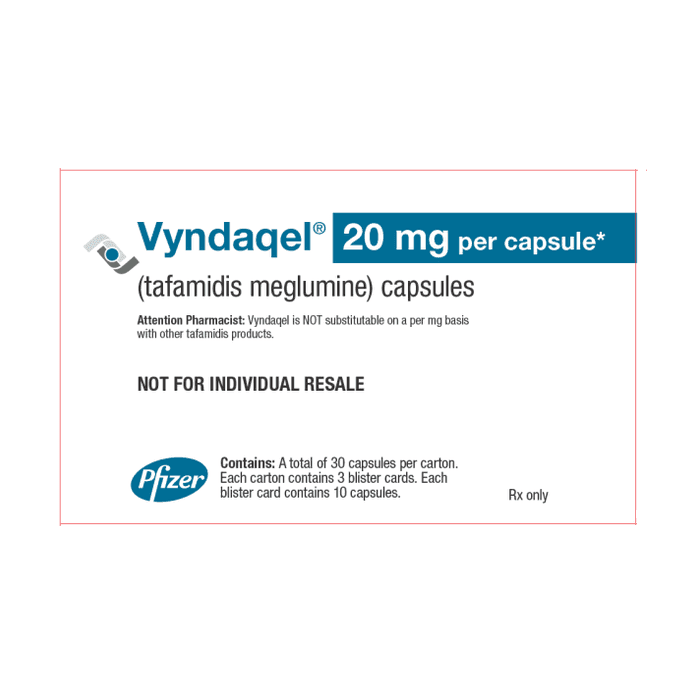
For Transthyretin Amyloidosis Cardiomyopathy, a common disease-specific option discussed is tafamidis treatment. Tafamidis is a transthyretin stabilizer, and it has an FDA-approved indication for ATTR-CM. For a neutral reference, review the official information on the FDA Drugs@FDA database for labeling details.
- Transthyretin stabilizers aim to keep TTR protein from misfolding.
- Gene silencing therapy amyloidosis research targets TTR production in the liver.
- Terms like patisiran for ATTR, inotersen therapy, or eplontersen ATTR may appear.
- Acoramidis clinical trials may be mentioned in specialist settings.
- Management guidelines ATTR-CM can differ by symptoms and comorbid conditions.
Clinicians make clinical decisions using history, exams, and available test results.
Access and Prescription Requirements
Some therapies for transthyretin amyloidosis require a prescription, while others are supportive medications. Requirements can also vary by state rules and pharmacy policies. This category page stays focused on administrative steps and what to expect. It does not replace a cardiology or amyloidosis specialist visit.
If a prescription is needed, pharmacies typically verify the prescription and patient details before dispensing. Medical records or prior test documentation may also matter for certain medicines. Some patients use cash-pay options, often without insurance, depending on eligibility and preference.
Quick tip: Keep your medication list and recent labs in one file.
When appropriate, providers can coordinate prescriptions through partner pharmacies, subject to state regulations. Transthyretin Amyloidosis Cardiomyopathy care may also involve referrals to experienced centers. People often track visit summaries, imaging reports, and cardiology notes in one place.
Related Resources
Many people start with broader context, then narrow to the heart-specific pieces. For background on protein misfolding disease, browse Transthyretin Amyloidosis. For nerve-related overlap, see Transthyretin Amyloidosis Polyneuropathy. For a wider cardiology comparison, review Dilated Cardiomyopathy.
For a concise medical overview of cardiac amyloidosis, review American Heart Association heart failure and amyloidosis resources. Bring questions to the next appointment, and ask for plain-language explanations of results. Keep notes about new symptoms, activity limits, and any side effects.
This content is for informational purposes only and is not a substitute for professional medical advice.

Find suitable medication for Transthyretin Amyloidosis Cardiomyopathy
Book a telehealth visit to discuss Transthyretin Amyloidosis Cardiomyopathy
Find a doctor
Speciality
State

Video Visit
$69

Video Visit
$69

Video Visit
$69

Video Visit
$69

Video Visit
$69

Video Visit
$69

Speciality: Dermatology, Family Medicine, Men's Health, Urgent Care, Women's health
Speaks: English, Spanish, French, Arabic, Portuguese
Video Visit
$69

Video Visit
$69

Video Visit
$69

Video Visit
$69

Video Visit
$69

Video Visit
$69
Frequently Asked Questions
What does ATTR-CM mean?
ATTR-CM is short for transthyretin amyloid cardiomyopathy. It is a type of cardiac amyloidosis, where transthyretin protein forms deposits in the heart. Clinicians may describe two main forms. Wild-type ATTR cardiomyopathy happens without a known gene change. Hereditary ATTR cardiomyopathy links to a TTR gene mutation, such as the V122I variant. The terms can affect family screening discussions and referral plans.
What clues often raise concern for cardiac amyloidosis?
Clinicians often look for patterns, not one single symptom. People may have HFpEF (heart failure with preserved ejection fraction), thickened heart walls on imaging, or unexplained fluid retention. History can matter too. Carpal tunnel syndrome, a biceps tendon rupture sign, or long-standing numbness can raise suspicion in the right context. These clues do not confirm a diagnosis. They help a care team decide which tests fit.
What tests are commonly used when evaluating ATTR-CM?
Evaluation often starts with echocardiography (heart ultrasound) and routine blood work. Some reports mention an echocardiography strain pattern that suggests amyloid. A PYP scan (a nuclear imaging test) may help identify transthyretin-related disease in certain settings. Cardiac MRI (heart MRI) can add detail about tissue changes. Some cases require endomyocardial biopsy (a small heart tissue sample). Clinicians also test for AL amyloidosis, because it follows different care pathways.
What prescription options may be discussed for ATTR cardiomyopathy?
Treatment discussions often include both symptom control and disease-specific therapy. For ATTR-CM, clinicians may discuss transthyretin stabilizers, including tafamidis. Other approaches aim to reduce transthyretin production, sometimes called gene-silencing therapies. Some of those medicines have approvals for ATTR polyneuropathy, and clinicians may discuss ongoing studies in cardiomyopathy. Eligibility depends on clinical findings, other conditions, and current guidance. A specialist team often helps coordinate next steps.
How does Medispress support telehealth and prescription coordination here?
Medispress supports browsing and visit access through a secure app. Video visits are provided by licensed U.S. clinicians. The clinician determines what care is appropriate based on the medical history shared. If a prescription is clinically appropriate, the provider may send it to a partner pharmacy. Dispensing follows standard prescription verification and state requirements. Some people choose cash-pay options, often without insurance, when that fits their situation.