


Tissue Repair
Tissue Repair Care Options and Healing Resources
Tissue Repair covers how the body restores skin, muscle, tendon, ligament, and bone. This category page focuses on practical, plain-language information for patients and caregivers. It also highlights common terms seen in clinic notes and recovery plans. Topics include wound healing basics, scar changes, and recovery after injury or surgery.
Healing can look different across conditions and body areas. Some people heal quickly, while others need closer monitoring. Factors like infection risk, blood flow, and inflammation can change the plan. This page helps organize those topics in one place.
Quick tip: Keep a short timeline of symptoms, injuries, and procedures for visits.
Medispress connects patients with licensed U.S. clinicians by video visit.
Tissue Repair What You’ll Find
This browse page brings together key concepts that often come up during recovery. It explains how tissues heal over time, using both medical and everyday terms. It also covers where “regenerative” approaches fit into conversations, without assuming any specific treatment.
Many people hear unfamiliar words during follow-ups. Examples include extracellular matrix (supportive tissue framework), collagen synthesis (new collagen building), and angiogenesis (new blood vessel growth). Seeing these terms in context can make care discussions feel less overwhelming. For infection-related concerns, browsing Skin And Soft Tissue Infection can help with navigation and terminology.
- Basics of wound healing, scar remodeling, and tissue strength changes
- Common phases of healing, including inflammation, proliferation, and remodeling
- Regenerative medicine terms, such as PRP for tissue healing and tissue engineering
- High-level context for chronic wound care and surgical repair overview
- Rehabilitation themes for sports injury recovery and musculoskeletal repair
How to Choose
People land on this topic from many paths. Some are managing a cut or surgical incision. Others are dealing with tendon or cartilage problems after activity. This checklist helps compare resources and plan a clear discussion with a clinician. Tissue Repair pages can vary widely in scope, so focusing on the right details matters.
Match the topic to the body area
- Skin healing and scarring concerns often need different questions than joint pain.
- Musculoskeletal issues may involve tendon, ligament, cartilage, or bone healing.
- Post-procedure recovery topics often include activity limits and rehab milestones.
- Chronic wound care topics often emphasize circulation and infection prevention.
Bring the right context to a visit
- Note when symptoms started and what changed after injury or surgery.
- List current medicines, supplements, and known allergies or reactions.
- Track prior imaging or procedure dates, if those records exist.
- Share clear photos when discussing visible skin changes.
- For blood-sugar context, see Reverse Prediabetes Tips for background reading.
Safety and Use Notes
Recovery information online can blur the line between education and treatment. This page stays high-level and avoids step-by-step medical instructions. For many problems, clinicians consider severity, location, and infection risk first. They may also review whether symptoms suggest urgent in-person evaluation.
Some terms get used loosely in “regenerative” marketing. PRP (platelet-rich plasma) and stem cell therapy for repair can mean different things across clinics. Evidence and oversight vary by product and setting. For a regulator perspective on unapproved products, see this FDA overview: Regenerative Medicine Therapies.
Why it matters: Clear definitions reduce confusion when comparing options and risks.
Clinicians make clinical decisions based on history, symptoms, and available documentation.
It also helps to understand basic healing phases. Inflammation and repair often overlap early, then the proliferation phase builds new tissue, and the remodeling phase strengthens it. These stages can look different in skin versus tendon or bone. For a clinical overview of healing stages, see this NCBI review: Wound Healing.
- Seek urgent care for severe pain, spreading redness, fever, or fast swelling.
- Ask how wound depth, drainage, or odor changes risk assessment.
- Confirm what “regenerative medicine” refers to in that specific setting.
- Review medication side effects that may affect skin or bleeding risk.
- Check whether rehabilitation after injury should be supervised or self-directed.
Access and Prescription Requirements
Some tissue-related concerns can be discussed through telehealth, especially for visible skin issues or follow-up questions. Other problems still need hands-on exams, imaging, or procedures. This section focuses on administrative expectations, not treatment decisions. Tissue Repair questions often involve clarifying what can be handled remotely.
When prescription medicines are appropriate, they require a valid prescription. Licensed pharmacies typically verify prescriptions before dispensing. Many services support cash-pay access, often without insurance, depending on the situation and state rules. Medispress providers may coordinate prescription options through partner pharmacies, when clinically appropriate.
Visits take place in a secure, HIPAA-aligned app designed for private care.
- Have an ID available if a pharmacy requests verification.
- Expect questions about allergies, current medicines, and past reactions.
- Ask how follow-up works if symptoms change after the visit.
- Confirm where prescriptions can be sent, based on state regulations.
- For diabetes-related context tied to healing, see Ozempic Benefits Overview as general education.
Related Resources
Daily habits and chronic conditions can influence recovery conversations. Hydration, sleep, and nutrition often come up in general recovery planning. For a practical wellness refresher, browse Benefits Of Hydration. For inflammation and joint comfort context, Foods To Avoid With Gout offers helpful background.
When browsing this category, look for plain definitions and clear “when to seek care” language. Prioritize resources that separate wound care basics from advanced therapies. Use the links above to compare related topics and terminology. Bring questions to a licensed clinician when decisions feel unclear.
This content is for informational purposes only and is not a substitute for professional medical advice.

Find suitable medication for Tissue Repair
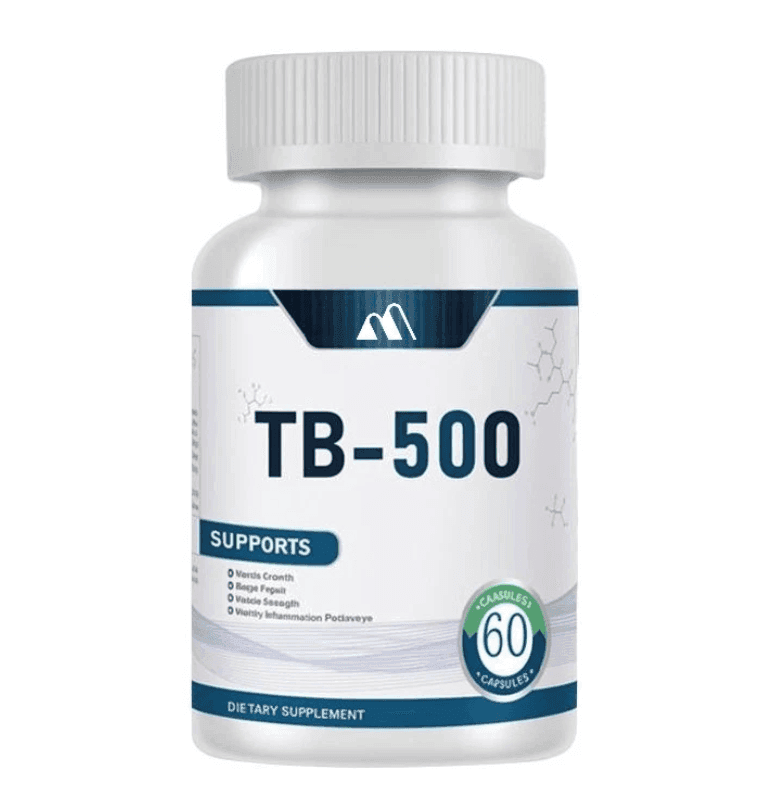
Book a telehealth visit to discuss Tissue Repair
Find a doctor
Speciality
State

Video Visit
$69

Video Visit
$69

Video Visit
$69

Video Visit
$69

Video Visit
$69

Video Visit
$69

Speciality: Dermatology, Family Medicine, Men's Health, Urgent Care, Women's health
Speaks: English, Spanish, French, Arabic, Portuguese
Video Visit
$69

Video Visit
$69

Video Visit
$69

Video Visit
$69

Video Visit
$69

Video Visit
$69
Frequently Asked Questions
What does tissue repair mean in healthcare?
Tissue repair describes how the body restores injured skin, muscle, tendon, ligament, cartilage, or bone. Clinicians often discuss stages of healing, such as early inflammation, new tissue growth, and later remodeling. The term can also appear in “regenerative medicine” discussions, which may include several different approaches. On this category page, the goal is to clarify terms and help organize topics, not to replace an exam or set a treatment plan.
What topics are included on the Tissue Repair category page?
This collection focuses on wound healing concepts, recovery after injury, and common terms found in medical notes. It may cover skin healing, scar changes, musculoskeletal repair topics, and general safety considerations. It also explains phrases like extracellular matrix and angiogenesis in simple language. Links to related Medispress content support browsing and education, so patients and caregivers can read background information before or after a visit.
Can telehealth be useful for tissue repair questions?
Telehealth can help with certain concerns, especially when a clinician can review a clear history and photos. It may be useful for follow-up questions, symptom review, and deciding whether in-person evaluation is needed. Some problems still require hands-on exams, imaging, or procedures. On Medispress, visits happen by video with licensed U.S. clinicians. Providers decide what is appropriate based on the information available.
What information should I gather before a visit about healing or recovery?
It helps to have a short timeline of symptoms, injuries, and procedures. A current medication and supplement list can prevent missed safety details. If there are visible changes, clear photos taken in good light can help with discussion. Prior imaging dates or procedure records can also be useful when available. For site actions, Medispress allows scheduling and visit messaging through its secure app experience.
When should a wound or injury be evaluated urgently in person?
Some symptoms call for prompt in-person evaluation. Examples include severe or rapidly worsening pain, spreading redness, fever, uncontrolled bleeding, major swelling, or signs of reduced circulation. Deep wounds, animal bites, and wounds with significant contamination can also need urgent assessment. Online information cannot confirm severity or infection risk. A clinician can help determine next steps, but emergency symptoms should be addressed immediately.