


Photoaging
Care Options for Photoaging and Sun-Damaged Skin
Photoaging is skin aging linked to repeated ultraviolet (UV) exposure. It is often called sun damage skin or photodamage (sun-caused skin damage). This category page brings together practical information and care options. It can help compare common skin changes and what they may mean. It also explains how prescription and nonprescription options are typically handled.
Some people notice texture changes, uneven tone, or new spots over time. Others focus on fine lines from sun, deeper wrinkles, or rough patches. This collection supports browsing and learning, not self-diagnosis. A licensed clinician can help interpret findings and discuss next steps.
Photoaging What You'll Find
This page focuses on sun-related aging patterns and how they differ from normal aging. Chronological aging is the expected change over time. Sun exposure can add extra changes, like collagen loss from sun and elastosis (loss of skin elasticity). The goal here is clarity, with plain-language explanations alongside clinical terms.
It also covers common cosmetic and medical concerns linked to actinic damage (UV-related skin injury). Examples include hyperpigmentation from sun, solar lentigines (sun spots), and rough or uneven texture. Some options are over-the-counter, while others may be prescription-only. The listings and resources aim to make comparisons easier.
Licensed U.S. clinicians can provide video visits through Medispress.
- Definitions and plain-language explanations for sun-related skin aging
- Common signs, including tone changes, fine lines, and sun spots
- Prevention basics, including daily sun protection and exposure habits
- Treatment categories, such as retinoids, antioxidants, and brightening agents
- Administrative notes on prescriptions, eligibility, and pharmacy coordination
How to Choose
Selection usually starts with naming the main concern. That keeps browsing focused and less overwhelming. It also helps set realistic expectations for what a product can change. Some concerns are cosmetic, while others need evaluation.
Focus on goals and skin findings
- Primary change to address, like uneven tone, roughness, or wrinkles
- Pattern of dark spots versus diffuse discoloration across larger areas
- History of frequent sun exposure or indoor tanning
- Signs of sensitivity, like stinging, peeling, or persistent redness
- Any lesion that changes, bleeds, or does not heal
Quick tip: Keep a simple photo log to track visible changes.
Review ingredients and tolerability
- Ingredient type, such as retinoids for photoaging, vitamin C for photoaging, or niacinamide for photoaging
- Potential irritation risk, especially with stronger exfoliants or retinoid products
- Compatibility with an existing routine, including cleansers and moisturizers
- Sun protection needs, since UV exposure skin aging can continue daily
- Time and consistency required for skincare habits, even with prescriptions
Safety and Use Notes
Sun-related skin changes can overlap with other conditions. Dryness, inflammation, and pigment changes may also appear with eczema or hormonal shifts. A clinician can help sort out photoaging vs chronological aging. That matters when symptoms are new or rapidly changing.
Why it matters: Some sun-related spots can resemble early skin cancers.
Many ingredients used for sun damage concerns can cause irritation. Retinoids and certain acids may lead to dryness or peeling. Some products can also increase sun sensitivity, depending on the formulation. Sunscreen for photoaging is often discussed as prevention support, not as treatment.
Visits take place in a secure, HIPAA-compliant Medispress app.
- Avoid delaying evaluation for sores that bleed or do not heal
- Seek care for fast-growing bumps or changes in a mole's border or color
- Share relevant history, including prior skin cancers and heavy sun exposure
- Note pregnancy or breastfeeding status when discussing prescription retinoids
- Expect guidance to follow official labeling and clinician instructions
Access and Prescription Requirements
Some options for sun-damaged skin are available without a prescription. Others require an active prescription based on a clinical evaluation. When prescription products are involved, a clinician must decide what is appropriate. Pharmacies typically require standard identity and prescription verification steps.
Medispress can support cash-pay care, often without insurance, when available. That can be useful for people who want a straightforward checkout process. Availability and rules can vary by medication and location. The care path is designed to keep decisions clinical, not promotional.
When clinically appropriate, providers may coordinate prescriptions through partner pharmacies, subject to state rules.
- Prescription-only treatments require a valid prescription from a licensed clinician
- Some medications may have restrictions based on age or medical history
- Partner pharmacy fulfillment depends on medication type and regulations
- Keep an updated medication list to avoid avoidable interactions
- Ask about follow-up expectations when starting a new prescription product
Related Resources
For sun protection basics, review guidance from the American Academy of Dermatology. For sunscreen oversight details, read information from the U.S. Food and Drug Administration. These sources help explain UVA vs UVB aging and prevention basics.
When browsing Photoaging information, it can help to know a few terms. Photodamage describes cumulative UV injury in the skin. Actinic damage is a clinical label for sun-related changes seen over time. Solar lentigines refers to common sun spots, not freckles.
- UVA tends to penetrate deeper and contributes to long-term aging changes
- UVB is more linked to sunburn and direct DNA injury
- Antioxidants may support routines aimed at oxidative stress from UV
- Retinoids are a broad class, with some forms prescription-only
- Collagen loss from sun can contribute to laxity and deeper wrinkling
This content is for informational purposes only and is not a substitute for professional medical advice.

Find suitable medication for Photoaging
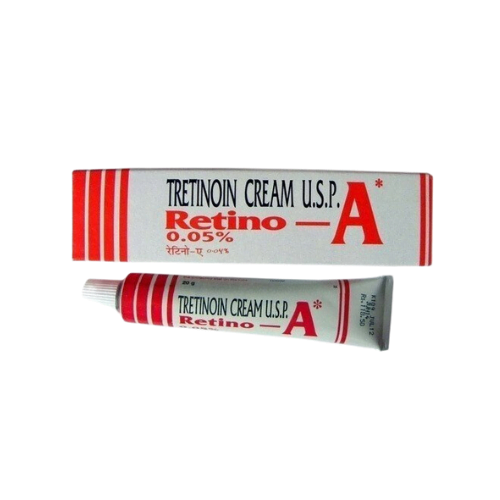
Book a telehealth visit to discuss Photoaging
Find a doctor
Speciality
State

Video Visit
$69

Video Visit
$69

Video Visit
$69

Video Visit
$69

Video Visit
$69
Meet Dr. Priya Asija: Board-Certified Family Physician and Wound Care Specialist Committed to Comprehensive CarePriya Asija is a board-certified Family Medicine physician and Wound Care Specialist with more than 15 years of experience. Her work includes primary care, urgent care-style visits, telemedicine, and advanced wound management. She holds a Wound Care Certification (WCC) through NAWCO, is credentialed in hyperbarics, and maintains BLS and ACLS certifications. She is licensed to practice in Texas, Florida, Pennsylvania, Wisconsin, Alabama, Arizona and Illinois.Dedicated to delivering high-quality, patient-centered care, Dr. Asija treats a wide range of acute and chronic medical conditions, provides preventive services, and specializes in wound care and hyperbaric medicine. She is the owner of Brookfield Family Practice, division of SAAK Health Care, partner at SAAK Wound Care Clinic and Hyperbarics, and serves as Medical Director for Wisconsin Wound Pros. Her services include primary care visits, urgent care management, wound evaluations, hyperbaric therapy oversight, telemedicine consultations, and prescription refill appointments when medically appropriate to support continuity of care.Fluent in English, Dr. Asija combines strong clinical expertise with compassionate communication. She collaborates closely with patients and interdisciplinary teams to promote healing, preventive health, and long-term wellness, ensuring accessible and comprehensive care across the states in which she practices.
Read Bio
Speciality: Family Medicine
Speaks: English
Video Visit
$69

Video Visit
$69

Video Visit
$69

Video Visit
$69

Video Visit
$69

Video Visit
$69
Frequently Asked Questions
What is photoaging, and how is it different from normal aging?
Photoaging describes skin changes driven by repeated UV exposure over time. Normal, or chronological, aging happens even without sun exposure. Sun-related aging can add uneven pigment, rough texture, and deeper wrinkles. Clinicians may use terms like photodamage or actinic damage for similar patterns. A visit can help separate cosmetic changes from findings that need evaluation. Prevention discussions often include daily sun protection and avoidance of indoor tanning.
What are common signs that sun exposure is affecting the skin?
Common signs include fine lines, rough patches, and uneven skin tone. Some people notice dark spots called solar lentigines (sun spots). Others see redness, visible small vessels, or a leathery texture. These changes can appear on the face, neck, chest, and hands. New or changing lesions should not be dismissed as “just aging.” A clinician can help interpret what is typical versus concerning.
What kinds of treatments are often discussed for sun-damaged skin?
Discussions often include both skincare products and prescription options. Common categories include retinoids, antioxidants like vitamin C, and barrier-supporting moisturizers. Some people also consider pigment-focused ingredients such as niacinamide. The right approach depends on skin sensitivity, other conditions, and personal goals. A clinician can review risks like irritation and sun sensitivity. Product labels and professional guidance matter, especially for prescription therapies.
When should someone seek medical evaluation for a spot or patch?
Evaluation is important for lesions that change quickly or do not heal. Warning signs include bleeding, persistent crusting, rapid growth, or new pain. A mole that changes color, shape, or border also needs attention. Sun-damaged skin can develop precancerous lesions and skin cancers. Only a clinician can assess risk and decide on next steps. When in doubt, it is safer to get a professional opinion.
How do prescriptions work with Medispress for skin concerns?
Medispress supports video visits with licensed U.S. clinicians in a secure app. The clinician reviews symptoms and history and makes all medical decisions. If a prescription is clinically appropriate, the provider may coordinate options through partner pharmacies. Pharmacy fulfillment depends on medication rules and state regulations. Some treatments are available over the counter, while others require a prescription. Administrative steps may include standard prescription and identity verification.