


Organophosphate Poisoning
Care Options for Organophosphate Poisoning
Organophosphate Poisoning is a medical emergency linked to certain pesticides and nerve agents.
It happens when acetylcholinesterase (a nerve enzyme) is inhibited and signals misfire. Clinicians may call the severe form a cholinergic crisis (dangerous nerve overstimulation).
Many exposures involve insecticide poisoning at home, work, or farms. Others involve accidental spills, contaminated clothing, or unsafe mixing and spraying.
This browse page supports patients and caregivers with practical education. It explains terms, common symptom patterns, and follow-up topics that often come up later.
Medispress offers video visits with licensed U.S. clinicians in a HIPAA-compliant app.
Telehealth cannot replace emergency management during suspected pesticide exposure. Emergency teams also handle decontamination procedures when contamination is a concern.
Organophosphate Poisoning What You’ll Find
This collection focuses on clear, plain-language explanations of organophosphate toxicity. It also includes clinical terms that appear in hospital notes and discharge paperwork.
When medication pages appear, they often list active ingredients and prescription status. They may also summarize key safety warnings and common administration forms.
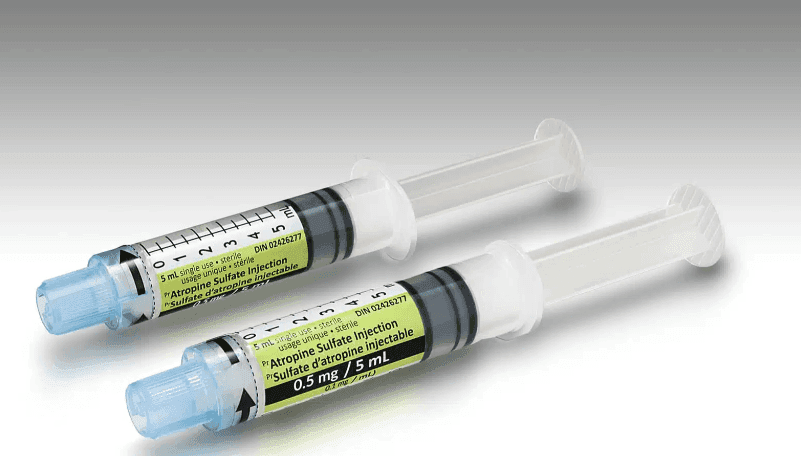
Some references describe emergency antidotes such as atropine treatment and pralidoxime therapy. These drugs are usually given in monitored settings and guided by clinical guidelines.
For follow-up needs, some people prefer cash-pay access, often without insurance. Requirements can still vary by medication type and state regulations.
- Common terminology for muscarinic symptoms and nicotinic symptoms
- Symptom patterns like SLUDGE syndrome and severe secretion findings
- Notes on respiratory failure risk and airway complication terms
- Diagnosis and labs, including serum cholinesterase levels
- Occupational exposure risks and agricultural pesticide safety basics
- High-level prevention and PPE concepts for repeat-exposure settings
How to Choose
Not every resource fits every exposure. Start by matching the setting, the substance type, and the urgency level.
Many products share similar labels, but exposures vary by dose and route. Good summaries separate skin contact, inhalation, and swallowed exposures.
Match the exposure setting
- Household pesticide exposure versus workplace or field spraying
- Single event versus repeated low-level occupational exposure risks
- Liquid concentrate, dust, or fogger format, if known
- Possible nerve agent exposure context, if authorities raised that concern
- Pediatric exposure concerns, including smaller body size and skin absorption
Clarify what the resource is for
- Emergency red flags and what clinicians mean by cholinergic crisis
- Decontamination basics and why trained handling reduces secondary exposure
- Interpretation of hospital terms like bronchorrhea and bradycardia
- Intermediate syndrome and delayed neuropathy topics for later follow-up
- Documentation needs for work, school, or public health reporting
Quick tip: Keep the product name, EPA number, and label photo together.
If Organophosphate Poisoning resources mention cholinergic crisis, they describe a syndrome pattern. They do not replace clinician diagnosis or an exposure investigation.
Well-written pages also explain muscarinic (gland and airway) findings versus nicotinic (muscle) findings. That split makes medical notes easier to understand later.
Safety and Use Notes
Suspected poisoning needs urgent evaluation because breathing can fail quickly. Heavy secretions, wheezing, confusion, seizures, or collapse signal an emergency.
Public health guidance often stresses rapid removal from the source. Teams then focus on airway support and limiting contamination spread.
Recognizing symptom patterns
Clinicians often group findings into muscarinic, nicotinic, and central nervous system effects. Those labels describe body systems affected by acetylcholine signaling.
| Group | What it means | Common examples |
|---|---|---|
| Muscarinic | Glands, eyes, heart, and airways become overstimulated | Miosis (small pupils), bronchorrhea, bradycardia, sweating |
| Nicotinic | Neuromuscular junctions become overstimulated | Muscle twitching, cramps, weakness, possible paralysis |
| Central | Brain effects from toxin exposure and low oxygen | Anxiety, confusion, seizures, coma |
Why it matters: Mixed signs can overlap with other poisonings and illnesses.
SLUDGE syndrome is a memory aid for secretions and gut effects. Clinicians may also document vomiting, diarrhea, and drooling in plain language.
References may compare differential carbamate poisoning, which can resemble organophosphates. Some carbamates bind differently and can change how oxime reactivation is discussed.
Emergency management discussions sometimes mention atropine and pralidoxime as antidotes. Only clinicians determine timing and dosing, based on bedside response and monitoring.
Later effects and follow-up themes
Some patients develop intermediate syndrome, with weakness after initial stabilization. Others can have delayed neuropathy (later nerve damage) after certain exposures.
Clinicians make the medical decisions based on the visit details.
Even after emergency care, Organophosphate Poisoning follow-up may include paperwork and symptom review. It may also include discussions about returning to work around pesticides.
Access and Prescription Requirements
Most severe cases are treated in emergency or inpatient settings. Many antidote supplies and monitoring tools are not suited to home initiation.
This collection focuses on education and on administrative pharmacy information. When listings are available, they can help compare options and requirements.
Prescriptions require a clinician evaluation and a valid clinical reason. Pharmacies also verify prescriptions and dispense only where legally permitted.
Some medications have extra safeguards due to risk or misuse potential. These can include identity checks and medication history review before dispensing.
For some follow-up needs, people use cash-pay access, often without insurance. Coverage rules vary widely, and listings may not reflect every plan.
When clinically appropriate, prescriptions may be coordinated with partner pharmacies, subject to state regulations.
Organophosphate Poisoning is uncommon, so available items may look limited at times. When options appear, compare formulation details and any handling or storage notes.
Related Resources
For Poison Control contact information and general guidance, see PoisonHelp.gov. For prevention and worker protections, review EPA Pesticide Worker Safety.
It also helps to keep a simple exposure timeline for medical records. Note the product name, route of exposure, and first symptoms observed.
When reading about Organophosphate Poisoning, prioritize verified sources and clear definitions. Use the Medispress site search to explore related condition collections.
This content is for informational purposes only and is not a substitute for professional medical advice.

Find suitable medication for Organophosphate Poisoning
Book a telehealth visit to discuss Organophosphate Poisoning
Find a doctor
Speciality
State

Video Visit
$69

Video Visit
$69

Video Visit
$69

Video Visit
$69

Video Visit
$69
Meet Dr. Priya Asija: Board-Certified Family Physician and Wound Care Specialist Committed to Comprehensive CarePriya Asija is a board-certified Family Medicine physician and Wound Care Specialist with more than 15 years of experience. Her work includes primary care, urgent care-style visits, telemedicine, and advanced wound management. She holds a Wound Care Certification (WCC) through NAWCO, is credentialed in hyperbarics, and maintains BLS and ACLS certifications. She is licensed to practice in Texas, Florida, Pennsylvania, Wisconsin, Alabama, Arizona and Illinois.Dedicated to delivering high-quality, patient-centered care, Dr. Asija treats a wide range of acute and chronic medical conditions, provides preventive services, and specializes in wound care and hyperbaric medicine. She is the owner of Brookfield Family Practice, division of SAAK Health Care, partner at SAAK Wound Care Clinic and Hyperbarics, and serves as Medical Director for Wisconsin Wound Pros. Her services include primary care visits, urgent care management, wound evaluations, hyperbaric therapy oversight, telemedicine consultations, and prescription refill appointments when medically appropriate to support continuity of care.Fluent in English, Dr. Asija combines strong clinical expertise with compassionate communication. She collaborates closely with patients and interdisciplinary teams to promote healing, preventive health, and long-term wellness, ensuring accessible and comprehensive care across the states in which she practices.
Read Bio
Speciality: Family Medicine
Speaks: English
Video Visit
$69

Video Visit
$69

Video Visit
$69

Video Visit
$69

Video Visit
$69

Video Visit
$69
Frequently Asked Questions
What is organophosphate poisoning?
Organophosphate poisoning describes illness after exposure to organophosphate chemicals. Many organophosphates are pesticides used in agriculture or pest control. Some nerve agents also act through similar mechanisms. The key problem is acetylcholinesterase inhibition, which disrupts normal nerve signaling. Clinicians may describe a cholinergic crisis when symptoms become severe and life-threatening. This condition often requires urgent evaluation, monitoring, and supportive care in emergency settings.
Is organophosphate poisoning always an emergency?
Clinicians treat suspected organophosphate toxicity as time-sensitive because symptoms can escalate quickly. Breathing problems, heavy secretions, confusion, seizures, or collapse are emergency signs. Many key treatments and monitoring steps require hospital equipment and staff. Telehealth may still play a role for non-urgent follow-up questions after stabilization. It can also help with documentation needs and medication reviews, but it cannot replace emergency care during active poisoning.
What do SLUDGE syndrome and terms like miosis mean?
SLUDGE syndrome is a memory aid for common secretion and gut symptoms. It refers to salivation, lacrimation (tearing), urination, diarrhea, gastrointestinal upset, and emesis (vomiting). Clinicians also describe muscarinic symptoms, which affect glands, eyes, the heart, and airways. Miosis means small pupils. Bronchorrhea means excess airway fluid. Bradycardia means a slow heart rate. These labels help teams document patterns and guide monitoring.
How is organophosphate toxicity different from carbamate poisoning?
Organophosphates and carbamates can cause similar early symptoms because both affect acetylcholine signaling. Clinicians may discuss differences in how strongly and how long each chemical binds the enzyme. That difference can change how oxime reactivation and pralidoxime therapy are considered in clinical discussions. Only trained clinicians can interpret exposure context, severity, and response to treatment. Resources that explain differential carbamate poisoning can help clarify why similar symptoms may have different plans.
What labs or tests are used to support diagnosis?
Clinicians may use history, physical exam findings, and exposure details to guide diagnosis. Many references also mention serum cholinesterase levels as supportive information. Some settings track trends over time rather than a single number. Lab availability varies by facility, and results may not return immediately. Teams also monitor breathing status, oxygen levels, heart rate, and neurologic status. Public health agencies may assist when workplace or large-scale exposure is suspected.
How do prescriptions and pharmacy verification work for this condition?
Some medications discussed in organophosphate poisoning care are typically administered in hospitals. When outpatient prescriptions are relevant, a clinician must evaluate the situation and document a medical reason. Licensed pharmacies then verify prescriptions before dispensing, following federal and state rules. Some drugs may have additional safeguards due to risk profiles. When appropriate, clinicians may coordinate prescription options through partner pharmacies, but availability can vary by state regulations and clinical appropriateness.