


Organ Transplant Rejection
Care Options for Organ Transplant Rejection
Organ Transplant Rejection is an immune response against a transplanted organ. It can happen soon after surgery (acute organ rejection) or slowly over time (chronic organ rejection). Patients and caregivers often want clear terms, practical next steps, and reliable ways to track follow-up needs.
Signs of organ rejection can be vague at first. Symptoms may overlap with infection, medication side effects, or dehydration. Many transplant programs focus on early detection of rejection through transplant lab tests for rejection, imaging, and sometimes a transplant rejection biopsy (a small tissue sample).
This category page brings together plain-language education and browseable options tied to post transplant follow up care. It also highlights common topics like immunosuppression management, donor specific antibodies, and monitoring for organ rejection. Visits are completed by U.S.-licensed clinicians through scheduled video appointments.
Organ Transplant Rejection: What You’ll Find
This collection focuses on the information people search for after transplant. It supports day-to-day organization and better conversations with a transplant team. It also helps with recognizing which terms show up in after-visit notes or lab reports.
Pages in this area may cover causes of organ rejection and organ rejection risk factors. They may also explain antibody mediated rejection (antibody-driven injury) and T cell mediated rejection (cell-driven injury). Some resources discuss Banff classification rejection, which is a pathology scoring system often used after biopsy.
For nearby browsing, see Transplant Rejection and Kidney Transplant Rejection. For telehealth basics, review What Telehealth Can Treat to understand typical online-visit workflows.
- Common organ transplant rejection symptoms and when they are reviewed
- How clinicians think about graft dysfunction after transplant
- Key lab and biopsy terms, including donor specific antibodies
- High-level organ rejection treatment options used in transplant care
- Patient education after transplant, including medication adherence transplant
How to Choose
When browsing Organ Transplant Rejection materials, start with the organ type and timeline. Kidney transplant rejection, liver transplant rejection, heart transplant rejection, and lung transplant rejection can share patterns. The monitoring approach and red flags can still differ by organ.
Match resources to the clinical question
- Timing: Look for content that separates acute organ rejection from chronic changes.
- Mechanism: Check whether the topic is antibody mediated rejection or T cell mediated rejection.
- Testing language: Note how diagnosing organ rejection is described in plain terms.
- Biopsy context: Confirm if the content explains transplant rejection biopsy results carefully.
- Care team roles: Prefer resources that reflect transplant center workflows.
- Medication context: Look for neutral explanations of immunosuppression management.
- Comparisons: Seek clear framing for organ rejection vs infection symptoms.
Prepare for a structured review visit
Administrative readiness matters after transplant, especially during care transitions. Use Preparing For Telehealth Appointment to organize documents and questions. It can also help to keep a running list of recent labs, imaging, and medication changes.
Quick tip: Save discharge summaries and lab PDFs in one folder.
For visit communication, Questions To Ask During Telehealth can help structure the discussion. That approach fits both routine follow-ups and symptom check-ins. It also supports clearer documentation for ongoing post transplant follow up care.
Safety and Use Notes
Transplant care often relies on long-term immunosuppression, which lowers immune activity. That can increase infection risk and affect vaccine timing, wound healing, and cancer screening plans. It can also change how common medicines interact, including antibiotics, antifungals, and some seizure medications.
Why it matters: Early symptoms can look similar across several conditions.
Medication adherence transplant is often discussed because missed doses can raise rejection risk. Any medication changes are typically guided by the transplant team, based on labs and clinical context. Monitoring for organ rejection may include trend reviews of kidney function, liver enzymes, or heart and lung testing, depending on the graft.
Appointments take place in a secure, HIPAA-compliant Medispress app.
Some resources may describe donor specific antibodies (antibodies targeting donor tissue) and how they relate to graft injury. Others explain Banff classification rejection terms, which can appear in pathology reports. For plain-language background, see this neutral overview from MedlinePlus on transplant rejection. For transplant patient education resources, see American Society of Transplantation patient information.
Access and Prescription Requirements
Many therapies discussed in transplant medicine are prescription-only and require ongoing monitoring. This browse page may reference immunosuppressants, supportive therapies, and care-adjacent resources. Organ Transplant Rejection coverage is informational and does not replace a transplant program’s care plan.
When prescriptions are involved, pharmacies generally require a valid prescription and standard verification. Some medications have special handling rules, quantity limits, or refill timing requirements. Coverage can vary by state and by pharmacy policies.
When clinically appropriate, prescriptions can be coordinated through partner pharmacies under state rules.
Medispress can support cash-pay access, often without insurance, when that option is available. For an overview of how online prescribing is commonly handled, read Prescriptions Through Telehealth Visits. Clinical decisions, including whether a medication is appropriate, depend on the clinician’s evaluation.
- Prescription requirements vary by medication and state regulations
- Identity and prescription validation may be required before dispensing
- Some transplant-related drugs need close lab-based monitoring
- Medication lists and allergy histories help reduce interaction risks
Related Resources
Transplant follow-up can involve many moving parts across home, work, and caregivers. Organ Transplant Rejection education often pairs best with practical planning tools. That includes visit preparation, medication reconciliation, and understanding how records move between teams.
For caregiving logistics, see Telehealth For Family Healthcare. For broader browsing, the Transplant Rejection collection groups related topics and listings in one place. Keeping notes organized can support consistent follow-ups, especially after hospital discharges or specialist handoffs.
This content is for informational purposes only and is not a substitute for professional medical advice.

Find suitable medication for Organ Transplant Rejection
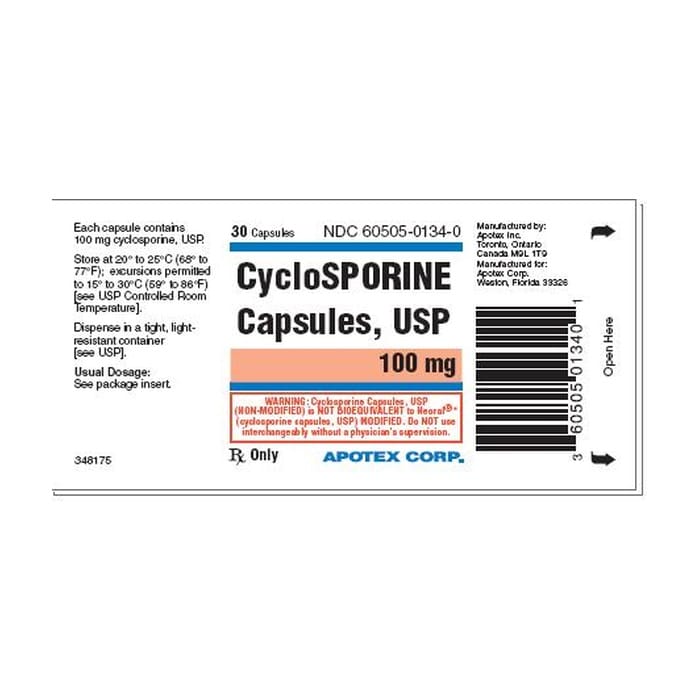
Book a telehealth visit to discuss Organ Transplant Rejection
Find a doctor
Speciality
State

Video Visit
$69

Video Visit
$69

Video Visit
$69

Video Visit
$69

Video Visit
$69
Meet Dr. Priya Asija: Board-Certified Family Physician and Wound Care Specialist Committed to Comprehensive CarePriya Asija is a board-certified Family Medicine physician and Wound Care Specialist with more than 15 years of experience. Her work includes primary care, urgent care-style visits, telemedicine, and advanced wound management. She holds a Wound Care Certification (WCC) through NAWCO, is credentialed in hyperbarics, and maintains BLS and ACLS certifications. She is licensed to practice in Texas, Florida, Pennsylvania, Wisconsin, Alabama, Arizona and Illinois.Dedicated to delivering high-quality, patient-centered care, Dr. Asija treats a wide range of acute and chronic medical conditions, provides preventive services, and specializes in wound care and hyperbaric medicine. She is the owner of Brookfield Family Practice, division of SAAK Health Care, partner at SAAK Wound Care Clinic and Hyperbarics, and serves as Medical Director for Wisconsin Wound Pros. Her services include primary care visits, urgent care management, wound evaluations, hyperbaric therapy oversight, telemedicine consultations, and prescription refill appointments when medically appropriate to support continuity of care.Fluent in English, Dr. Asija combines strong clinical expertise with compassionate communication. She collaborates closely with patients and interdisciplinary teams to promote healing, preventive health, and long-term wellness, ensuring accessible and comprehensive care across the states in which she practices.
Read Bio
Speciality: Family Medicine
Speaks: English
Video Visit
$69

Video Visit
$69

Video Visit
$69

Video Visit
$69

Video Visit
$69

Video Visit
$69
Frequently Asked Questions
What does this category page include?
This category page groups resources connected to transplant rejection topics. It may include educational pages, related condition collections, and medication-adjacent listings. The goal is easier browsing and clearer terminology. Content often covers acute versus chronic rejection, immune mechanisms, and common monitoring terms. It can also highlight visit-prep resources for telehealth. Clinical decisions still belong with a licensed clinician and the transplant team.
How are acute and chronic organ rejection different?
Acute organ rejection usually develops over days to weeks. It often reflects an active immune response against the graft. Chronic organ rejection tends to develop more slowly over months or years. It can involve scarring and long-term graft dysfunction after transplant. A clinician may use labs, imaging, and sometimes biopsy to clarify the pattern. Many reports use specific terms, including Banff classification wording for certain organ types.
What are common signs of organ rejection discussed in follow-up care?
Clinicians often discuss both general and organ-specific warning signs. General concerns can include fever, fatigue, or new swelling. Organ-specific changes can involve reduced urine output, jaundice, shortness of breath, or chest discomfort. These signs can also overlap with infection or medication effects. Because symptoms are not specific, transplant programs often rely on labs and trend changes. Evaluation may include donor specific antibodies and other immune markers.
What information helps clinicians evaluate possible graft dysfunction after transplant?
Helpful records include a current medication list and recent dose changes. Lab trends matter more than single results in many cases. Discharge summaries and recent clinic notes add important context. Biopsy reports, if performed, can clarify antibody mediated rejection or T cell mediated rejection. Pharmacy fill history can also support medication adherence review. Keeping dates and facility names consistent makes record matching easier across systems.
Can telehealth play a role in transplant follow-up?
Telehealth can support certain parts of post transplant follow up care. It may help with symptom history review, medication questions, and care coordination. It can also help organize next steps after labs are completed elsewhere. Some transplant concerns still require in-person evaluation, imaging, or urgent assessment. Telehealth works best when paired with the transplant center’s plan. It is also useful for caregiver participation during complex discussions.