


Non-Small Cell Lung Cancer
Care Options for Non-Small Cell Lung Cancer
Non-Small Cell Lung Cancer can feel overwhelming for patients and caregivers.
This browse page brings together medication listings and practical education. It helps make sense of terms used in clinic notes and care plans.
Use it to review common NSCLC symptoms, staging language, and treatment categories. It can also support conversations about follow-up care and monitoring.
For broader navigation across topics, visit our Cancer Category.
Non-Small Cell Lung Cancer What You’ll Find
This collection focuses on NSCLC, which includes several tumor subtypes. Common subtypes include lung adenocarcinoma, squamous cell lung cancer, and large cell lung cancer.
Many pages also reference how clinicians describe extent of disease. You may see Early-stage NSCLC, Locally advanced NSCLC, or Metastatic NSCLC in summaries. You may also see TNM staging NSCLC, which uses tumor size, nodes, and spread.
This page may include medications used in cancer care, plus supportive therapies. Some treatments are oral, while others require clinic administration. Listings often describe the route, key precautions, and common monitoring themes.
- Plain-language definitions for diagnosis, staging, and pathology terms
- Overviews of chemotherapy, radiation therapy, immunotherapy, and targeted therapy
- Notes on molecular testing NSCLC and PD-L1 expression NSCLC wording
- Examples of biomarker names, like EGFR mutation NSCLC and ALK rearrangement NSCLC
- Supportive-care medication categories that may come up during treatment
- Administrative guidance on prescription requirements and verification steps
- Links to related condition collections and educational reading
Why it matters: Subtype and biomarker results can shape which options are discussed.
Medispress video visits use a secure, HIPAA-compliant app for communication.
How to Choose
When browsing Non-Small Cell Lung Cancer resources, start with the exact words in reports. Pathology and imaging summaries often drive the labels used elsewhere.
It helps to separate three ideas that often get mixed together. These are the tumor subtype, the stage, and the biomarker profile.
| Term | What it usually describes |
|---|---|
| Subtype | Cell pattern, such as adenocarcinoma or squamous |
| Stage | Extent of disease, often using TNM shorthand |
| Biomarkers | Tumor markers that may guide therapy discussions |
Match the listing to the clinical context
- Check whether the resource is general NSCLC or a specific subtype
- Look for mentions of early, locally advanced, or metastatic disease context
- Note whether biomarker testing is referenced, and which markers appear
- Watch for similar-sounding acronyms that mean different things
- Confirm whether the therapy described is oral, injectable, or infused
- Scan for major interaction themes, like immunosuppression or liver effects
Common biomarkers you may see
- EGFR, ALK, ROS1, BRAF V600E, MET exon 14 skipping
- RET fusion NSCLC and NTRK fusion NSCLC
- KRAS G12C NSCLC and PD-L1 expression NSCLC
Some patients browse more specific collections when a marker is known. Examples include ALK Positive NSCLC and Cancer With NTRK Fusion.
When reading online, use basic safety checks for health information. Our guide on Telehealth Safety From Medical Scams explains common red flags.
Safety and Use Notes
Cancer therapies can affect many body systems, even when taken as pills. Side effects may vary based on drug type, dose, and other conditions.
For Non-Small Cell Lung Cancer, resources often group therapies by mechanism. These include chemotherapy, immunotherapy, and targeted therapy NSCLC. Each category has different risk patterns and monitoring needs.
For background from the National Cancer Institute, see this lung cancer overview.
- Bring a current medication list to every clinical discussion
- Ask how new symptoms should be reported and documented
- Check for interaction warnings with supplements and OTC products
- Follow handling guidance for hazardous medications when provided
- Confirm pregnancy and fertility precautions when they apply
- Review vaccine timing questions with the treating team
- Seek urgent care guidance for severe breathing trouble or chest pain
Licensed U.S. clinicians review details and make the medical decisions.
Access and Prescription Requirements
Access pathways can differ by drug type and where it is administered. Some therapies are dispensed through specialty channels, while others come from retail pharmacies.
Non-Small Cell Lung Cancer medications that require a prescription need verification. Pharmacies also follow licensed dispensing rules and state regulations.
If appropriate, clinicians can coordinate prescriptions through partner pharmacies under state rules.
- Prescription-only items require a valid Rx from a licensed clinician
- Some products may require diagnosis documentation or prior records
- Medication reconciliation helps reduce interaction and duplication risks
- Cash-pay options may be available, often without insurance, depending on the medication
- Delivery options depend on pharmacy rules and product handling needs
- Refill timing and quantity limits may be set by law or clinical policy
Quick tip: Keep pathology, imaging, and medication lists in one folder.
If telehealth is part of the process, it helps to understand the steps. See Telehealth Services Overview and Prescriptions Online Through Telehealth for administrative details.
Related Resources
Non-Small Cell Lung Cancer care often intersects with prevention and long-term health planning. Smoking cessation resources may still matter, even after diagnosis. See Quit Smoking Safely and Healthy Lung Month 2025 for practical lifestyle guidance.
It can also help to compare terminology across diagnoses. Browse Small Cell Lung Cancer for contrast in naming and treatment framing. You can also explore other oncology collections, like Bladder Cancer, to see how staging and therapy categories are described.
For staging language and common definitions, consult this American Cancer Society lung cancer guide.
This content is for informational purposes only and is not a substitute for professional medical advice.

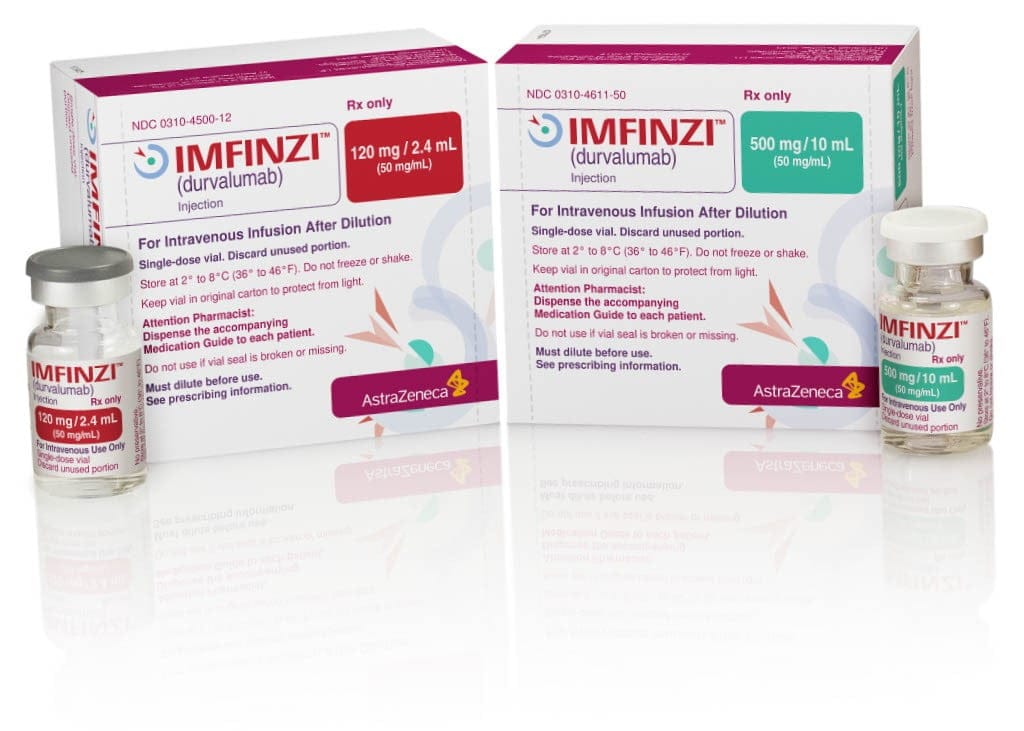
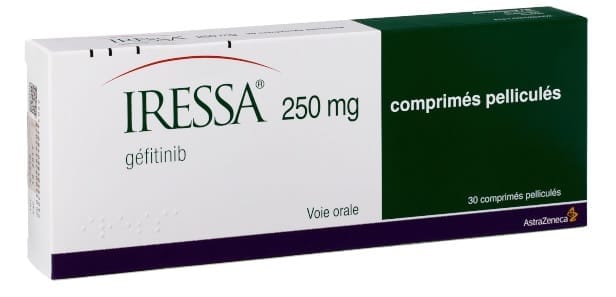
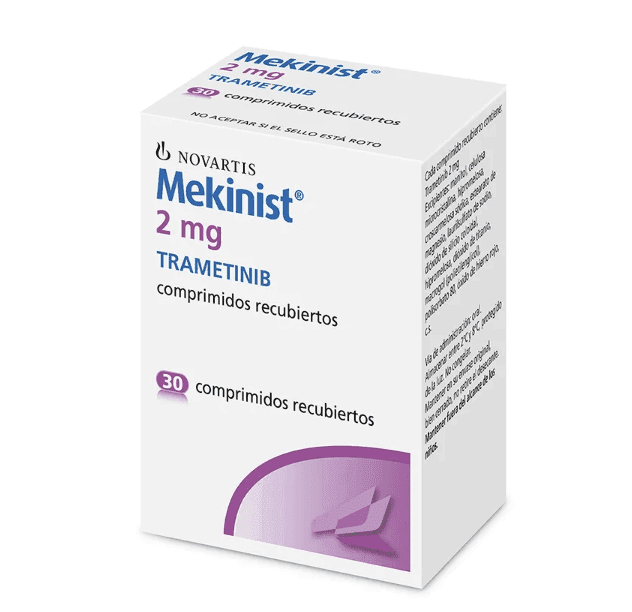
Find suitable medication for Non-Small Cell Lung Cancer


Book a telehealth visit to discuss Non-Small Cell Lung Cancer
Find a doctor
Speciality
State

Video Visit
$69

Video Visit
$69

Video Visit
$69

Video Visit
$69

Video Visit
$69

Video Visit
$69

Speciality: Dermatology, Family Medicine, Men's Health, Urgent Care, Women's health
Speaks: English, Spanish, French, Arabic, Portuguese
Video Visit
$69

Video Visit
$69

Video Visit
$69

Video Visit
$69

Video Visit
$69

Video Visit
$69
Frequently Asked Questions
What is Non-Small Cell Lung Cancer compared with small cell lung cancer?
These are two main categories of lung cancer used in clinical care. They differ in how the cancer cells look under a microscope and how they often behave. Those differences can affect how clinicians discuss staging, testing, and treatment options. A pathology report usually states which type applies, sometimes with a more specific subtype. If the wording is unclear, a clinician can help interpret the report language.
What information is helpful to have when browsing NSCLC resources?
It helps to have a few key items nearby while browsing. Many resources reference the exact pathology subtype, the stage, and any biomarker results. If available, keep the date of the biopsy, imaging summary, and a current medication list. Notes about prior treatments can also reduce confusion when reading about therapy categories. This supports clearer comparisons between listings and educational pages.
Why do many pages mention molecular testing and biomarkers in NSCLC?
Molecular testing (tumor biomarker testing) looks for specific changes in cancer cells. Examples include EGFR, ALK, KRAS G12C, ROS1, BRAF V600E, MET exon 14 skipping, RET, and NTRK. Some resources also mention PD-L1 expression, which can influence immunotherapy discussions. Not every test applies to every situation, and results need clinical interpretation. A treating clinician can explain what each result means for care planning.
Can telehealth be used for prescription needs related to cancer care?
Telehealth can support certain prescription needs, depending on the medication and the clinical context. Some visits focus on education, symptom review, or coordinating next steps. When a prescription is clinically appropriate, a licensed clinician may send it to a pharmacy partner, subject to state rules. Some cancer treatments require in-clinic administration and cannot be shipped. A clinician can clarify what can be handled remotely.
What are common safety checks for online prescription services?
Start by confirming the service uses licensed clinicians and licensed pharmacies when prescriptions are involved. Avoid sites that skip medical history questions or offer prescription-only drugs without evaluation. Look for clear verification steps and realistic boundaries about what can be prescribed. Be cautious with unusually low prices, vague contact details, or pressure tactics. If anything feels off, pause and seek guidance from a trusted healthcare professional.