


Cancer With NTRK Gene Fusion
Care Options for Cancer With NTRK Gene Fusion
Cancer With NTRK Gene Fusion refers to tumors driven by an NTRK gene rearrangement. NTRK1, NTRK2, or NTRK3 can join another gene and stay switched on. This can activate tropomyosin receptor kinase (TRK, a cell-signaling protein). Because it can appear across tumor types, care may follow a precision oncology approach.
Why it matters: Fusion findings can change which treatment paths are considered.
This category page supports practical browsing for patients and caregivers. It gathers medication and care context, plus nearby cancer collections for comparison. For broader navigation, browse the Cancer Category alongside this page.
Video visits are available with licensed U.S. clinicians.
Cancer With NTRK Gene Fusion: What You’ll Find
This page focuses on targeted therapy for NTRK, also called TRK fusion cancer care. These therapies are sometimes described as tumor-agnostic therapy (used across many cancer types). That matters when an NTRK fusion is found in less common tumors. Some people also see the term ETV6 NTRK3 fusion on reports.
Browsing here can help clarify common terms and typical care steps. The goal is to make listings and next steps easier to interpret. It also helps connect this topic to more familiar cancer categories, such as Thyroid Cancer, Non Small Cell Lung Cancer, and Colorectal Cancer.
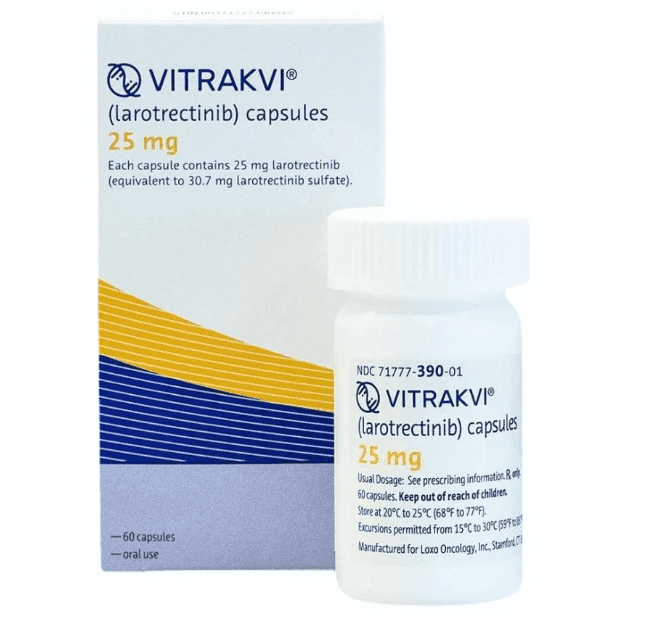
When clinicians consider TRK inhibitors, they may reference medicines like larotrectinib or entrectinib. Availability and suitability depend on the full clinical picture. This includes tumor type, disease stage, and prior treatments.
- Plain-language explanations of NTRK fusion cancer and TRK pathway terms
- High-level context on TRK inhibitors and targeted therapy options
- Links to related cancer condition collections for side-by-side browsing
- Administrative notes about prescriptions and pharmacy coordination
- Pointers for follow-up discussions with an oncology team
Appointments take place in a secure, HIPAA-compliant app.
How to Choose
For Cancer With NTRK Gene Fusion, selection usually starts with accurate labeling. Many tumors share similar names, but different biomarkers. Treatment planning also depends on cancer site and overall goals of care. This page helps compare resources without replacing oncology guidance.
Match the terms on the report
Many records list both the cancer type and the fusion detail. The fusion may be described as an NTRK rearrangement or a TRK fusion. Reports may also note if the finding is in DNA or RNA results. Keeping wording consistent helps avoid mix-ups during referrals and pharmacy reviews.
- Confirm the primary cancer type and where it started
- Note the exact fusion wording and the gene partner, if listed
- List prior therapies, including radiation and surgery, if applicable
- Track current symptoms and side effects that affect daily function
- Prepare an updated medication and supplement list
Plan for specialist conversations
Targeted therapy discussions often involve oncology and pharmacy teams. Questions can focus on goals, monitoring, and coordination steps. When the primary tumor is rare, it can help to browse related collections. For example, some people cross-check thyroid pathways using Anaplastic Thyroid Cancer resources.
- What follow-up labs or imaging are commonly used for monitoring?
- Which symptoms should be reported quickly during treatment changes?
- How will drug interactions be screened and documented?
- What records are needed to confirm the fusion result?
Safety and Use Notes
Safety questions for Cancer With NTRK Gene Fusion often center on targeted therapy risks. TRK inhibitors can affect more than tumor cells. Side effects may involve the nervous system, liver, or heart rhythm. People may also notice fatigue, dizziness, or changes in appetite.
Medication safety also depends on the full medication list. Interactions can happen with prescriptions, over-the-counter products, and supplements. Pregnancy and breastfeeding status may also change medication planning. For official summaries of approved uses and key warnings, see the FDA resources for larotrectinib approval information and entrectinib approval information.
- Share all medicines, vitamins, and herbals to support interaction screening
- Ask how side effects are documented and communicated across clinicians
- Clarify what to do if doses are missed or delayed
- Review driving and fall-risk precautions if dizziness is a concern
- Discuss any history of liver disease, heart issues, or neurologic symptoms
Some people also manage other cancers at the same time. That can affect medication timing and monitoring plans. When blood counts matter, browsing Blood Cancers Overview can provide useful context.
Access and Prescription Requirements
Access for Cancer With NTRK Gene Fusion may involve specialty handling and careful verification. Many targeted cancer medicines require a valid prescription from a licensed clinician. Pharmacies typically verify prescriptions before dispensing. Some patients use cash-pay options, sometimes without insurance, depending on eligibility.
When clinically appropriate, prescriptions may be coordinated with partner pharmacies under state rules.
Quick tip: Keep a current medication list and pathology summary ready for uploading.
Telehealth can support care coordination, especially for refills and documentation. Clinicians decide what is appropriate during the visit. Some situations still require in-person oncology care or urgent evaluation. This page helps set expectations for administrative steps and follow-through.
- Current medication list, including non-prescription items
- Allergy list and prior serious reactions
- Recent oncology plan notes, if available
- Key report pages that name the fusion finding
- Preferred pharmacy details for coordination, if needed
Related Resources
If Cancer With NTRK Gene Fusion appears alongside a specific tumor type, it can help to browse adjacent condition pages. This can make language and care pathways easier to compare. It may also help when coordinating support for fatigue, breathing limits, or recovery needs.
Start with education and community moments like Breast Cancer Awareness Month. For lung-related health context, review Healthy Lung Month 2025. These pages can complement oncology visits by clarifying terms and supportive care topics.
This content is for informational purposes only and is not a substitute for professional medical advice.

Find suitable medication for Cancer With NTRK Gene Fusion
Book a telehealth visit to discuss Cancer With NTRK Gene Fusion
Find a doctor
Speciality
State

Video Visit
$69

Video Visit
$69

Video Visit
$69

Video Visit
$69

Video Visit
$69
Meet Dr. Priya Asija: Board-Certified Family Physician and Wound Care Specialist Committed to Comprehensive CarePriya Asija is a board-certified Family Medicine physician and Wound Care Specialist with more than 15 years of experience. Her work includes primary care, urgent care-style visits, telemedicine, and advanced wound management. She holds a Wound Care Certification (WCC) through NAWCO, is credentialed in hyperbarics, and maintains BLS and ACLS certifications. She is licensed to practice in Texas, Florida, Pennsylvania, Wisconsin, Alabama, Arizona and Illinois.Dedicated to delivering high-quality, patient-centered care, Dr. Asija treats a wide range of acute and chronic medical conditions, provides preventive services, and specializes in wound care and hyperbaric medicine. She is the owner of Brookfield Family Practice, division of SAAK Health Care, partner at SAAK Wound Care Clinic and Hyperbarics, and serves as Medical Director for Wisconsin Wound Pros. Her services include primary care visits, urgent care management, wound evaluations, hyperbaric therapy oversight, telemedicine consultations, and prescription refill appointments when medically appropriate to support continuity of care.Fluent in English, Dr. Asija combines strong clinical expertise with compassionate communication. She collaborates closely with patients and interdisciplinary teams to promote healing, preventive health, and long-term wellness, ensuring accessible and comprehensive care across the states in which she practices.
Read Bio
Speciality: Family Medicine
Speaks: English
Video Visit
$69

Video Visit
$69

Video Visit
$69

Video Visit
$69

Video Visit
$69

Video Visit
$69
Frequently Asked Questions
What does an NTRK gene fusion mean?
An NTRK gene fusion is a genetic change inside tumor cells. It happens when part of an NTRK gene joins another gene. That new fusion can keep growth signals switched on. Clinicians may call this an NTRK rearrangement or TRK fusion. It is different from inherited genetic risk. It is usually found in tumor tissue results. An oncology team uses the full report to guide next steps.
What kinds of cancers can have an NTRK fusion?
NTRK fusions can occur in many different tumor types. Some are rare cancers where fusions are more common. Others are more common cancers where fusions are less frequent. Examples discussed in care settings include certain thyroid, lung, and colorectal tumors. Some rare examples include secretory carcinoma and infantile fibrosarcoma. The primary cancer type still matters for planning. Clinicians consider stage, prior therapy, and overall health.
What are TRK inhibitors, and how are they used?
TRK inhibitors are targeted medicines that block TRK signaling. They may be considered when a tumor is driven by an NTRK fusion. Two examples are larotrectinib and entrectinib. Whether they fit depends on diagnosis details and clinical history. A clinician reviews benefits, risks, and interactions before prescribing. Monitoring plans vary by person and cancer type. Official labeling is the best source for approved uses and warnings.
What information is helpful before scheduling a telehealth visit?
It helps to gather documents that clarify the cancer history. Common items include a current medication list and known allergies. Many visits also go smoother with key pages from pathology or oncology notes. A short timeline of prior treatments is also useful. Telehealth visits can support coordination and refills when appropriate. The clinician determines what can be handled remotely. Some cases still need in-person oncology exams or urgent care.
How are prescriptions handled for targeted cancer medications?
Targeted cancer medications usually require a valid prescription. Pharmacies may verify prescriber details and dispensing rules before filling. Some medications use specialty pharmacies due to handling or monitoring needs. Coverage and payment options vary, including cash-pay in some situations. Partner pharmacy options can also depend on state regulations. Clinicians decide if a prescription is clinically appropriate. Patients and caregivers should expect follow-up questions about medications and side effects.