


Musculoskeletal Pain
Care Options for Musculoskeletal Pain
Muscle and joint discomfort can interrupt sleep, work, and daily routines. Musculoskeletal Pain can involve the back, neck, shoulders, hips, knees, hands, or feet. This category page helps patients and caregivers browse common musculoskeletal disorders and care pathways. It also explains how prescriptions, when needed, are typically handled through verified pharmacies. Topics include muscle strain, sprains and strains, overuse injuries, tendonitis (tendon inflammation), and bursitis (bursa sac inflammation).
Some problems start after a clear musculoskeletal injury, like a fall. Others build slowly, like sports-related musculoskeletal injuries from repetition. Symptoms may feel sharp, dull, burning, or stiff. Pain can travel, as with sciatica from nerve irritation. The sections below focus on practical comparisons and planning, not self-diagnosis.
Appointments happen by video with U.S.-licensed clinicians.
Musculoskeletal Pain What You’ll Find
This collection brings together condition-specific browsing and plain-language explanations. It focuses on patterns that often show up with back and neck pain, joint pain, and muscle tightness. It also covers terms clinicians may use, like myofascial pain (pain from muscle and connective tissue). That mix can make follow-up steps easier to understand.
Many people compare options by location and time course. Acute issues may follow a lift, twist, or sports move. Chronic issues may involve recurring flares or long-standing stiffness. This page highlights typical musculoskeletal pain causes and how evaluation may differ by scenario.
What appears here can include both nonoperative musculoskeletal care and prescription pathways. Nonprescription options may be listed alongside prescription-only items. When a product requires a prescription, the listing should indicate that requirement clearly.
- Common symptom patterns and what they can suggest
- Examples of conditions that can mimic each other
- Medication categories that may be discussed in care plans
- Non-medication supports, like activity pacing and physical therapy
- Administrative notes for prescription verification and dispensing
How to Choose
It helps to narrow the problem before comparing options. Start with the main location, the trigger, and the biggest limitation. Then compare resources that speak to that specific pattern.
For Musculoskeletal Pain, focus on fit and safety questions first. A good starting point is clarifying whether symptoms are localized, spreading, or associated with numbness. It also helps to note whether pain increases with certain movements. Those details can shape the next step a clinician considers.
Match the problem area
- Back and neck pain may involve muscle strain or nerve irritation
- Shoulder pain can relate to overuse, tendons, or joint mechanics
- Knee pain may follow impact, twisting, or gradual load buildup
- Hip pain can come from the joint or nearby muscles
- Hand and wrist pain often relates to repetitive work or strain
- Foot and ankle pain may follow sprains or footwear changes
Compare practical care details
- Onset pattern: sudden injury versus gradual soreness
- Function impact: sleep, walking, lifting, or typing limitations
- Prior history: earlier sprains, surgery, arthritis, or tendon problems
- Home supports: braces, heat or ice, and activity modification plans
- Care setting: telehealth review versus in-person exam needs
- Follow-up plan: what signals should prompt reassessment
Quick tip: Keep a short symptom timeline for easy comparison later.
Some people also want guidance on physical therapy logistics. This can include what a virtual session may involve and how progress is tracked. See Telehealth Physical Therapy Tips for a practical overview.
Visits take place in a secure, HIPAA-compliant mobile app.
Safety and Use Notes
Musculoskeletal pain treatment can involve medicines, activity changes, and rehabilitation. Safety depends on the full context, including other conditions and medications. Some medicines have important warnings and interaction risks. Labels and pharmacist guidance matter, even for common options.
People sometimes assume all body pain is “just a strain.” Musculoskeletal Pain can also overlap with nerve, inflammatory, or referred pain patterns. Seek urgent evaluation for severe weakness, loss of bowel or bladder control, major trauma, fever with joint swelling, or chest symptoms. Those may need in-person testing or emergency care.
Why it matters: Red-flag symptoms can signal problems beyond routine strains.
- NSAIDs (nonsteroidal anti-inflammatory drugs) may not fit everyone’s risk profile
- Some muscle relaxants can cause sedation and impair driving
- Topical products can still irritate skin or cause allergic reactions
- Mixing pain medicines can increase side-effect risk
- Long-lasting pain may benefit from a broader evaluation plan
For background on NSAID boxed warnings, see this FDA safety communication. For chronic pain definitions and general context, review CDC chronic pain information.
Access and Prescription Requirements
Some options in this category are over-the-counter, while others require a prescription. Musculoskeletal Pain listings that are prescription-only should note that requirement. When prescription items are involved, pharmacies typically verify the prescription before dispensing. This helps confirm the medication, directions, and prescriber details.
Medispress can support cash-pay access, often without insurance, for eligible services. Availability and dispensing rules can vary by state and pharmacy policies. If a telehealth visit is used, a clinician reviews information and determines whether a prescription is clinically appropriate.
- Current medication list, including supplements and topical products
- Allergy history and prior side effects from pain medicines
- Key symptoms, including numbness, weakness, or swelling
- Recent injuries, sports activity changes, or work-related strain
- Prior imaging or diagnoses, if already available
- Preferred pharmacy details, when routing is permitted
When appropriate, prescriptions may be routed to partner pharmacies under state rules.
Related Resources
Some pain patterns overlap across conditions, and extra context can help with planning. If chest discomfort is part of the story, browse Relieve Chest Pain Tips for general education and red-flag reminders. For head and neck tension that can coexist with posture strain, see Tension Headaches At Home.
Musculoskeletal Pain can also affect routines like sleep and work pacing. This category page is meant for comparing resources and next-step questions. It is not a diagnostic tool, and it cannot replace an exam when one is needed.
This content is for informational purposes only and is not a substitute for professional medical advice.

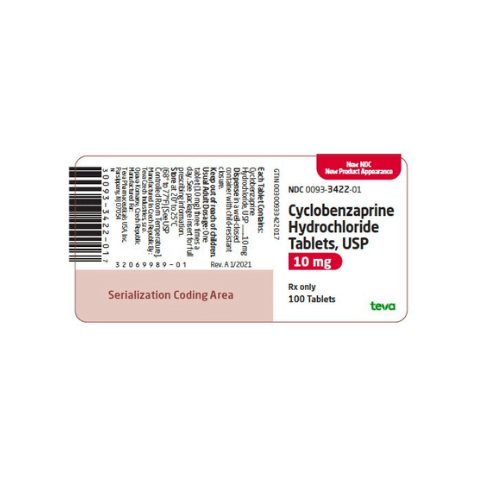
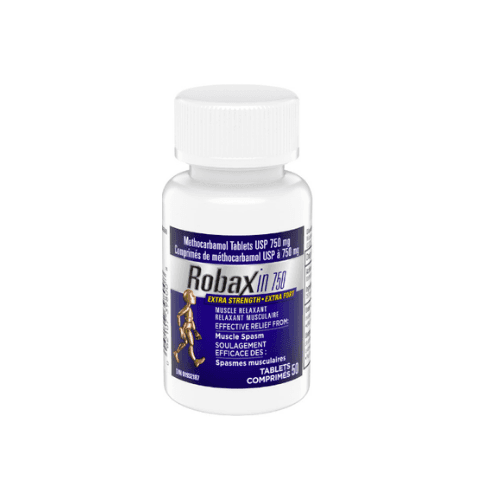
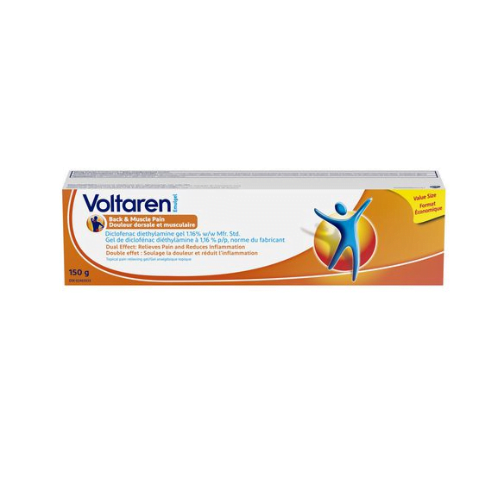
Find suitable medication for Musculoskeletal Pain


Book a telehealth visit to discuss Musculoskeletal Pain
Find a doctor
Speciality
State

Video Visit
$69

Video Visit
$69

Video Visit
$69

Video Visit
$69

Video Visit
$69

Video Visit
$69

Speciality: Dermatology, Family Medicine, Men's Health, Urgent Care, Women's health
Speaks: English, Spanish, French, Arabic, Portuguese
Video Visit
$69

Video Visit
$69

Video Visit
$69

Video Visit
$69

Video Visit
$69

Video Visit
$69
Frequently Asked Questions
What conditions are usually included under musculoskeletal disorders?
Musculoskeletal disorders is a broad label for problems involving muscles, bones, joints, tendons, ligaments, and related nerves. Common examples include muscle strain, sprains and strains, tendonitis (tendon inflammation), bursitis (bursa sac inflammation), and some forms of back and neck pain. Some listings also cover overuse injuries and sports-related musculoskeletal injuries. Because symptoms can overlap, a clinician may group items by body area, trigger, and duration.
How can I tell if pain is acute or chronic?
Acute pain often starts suddenly and has a clear trigger, like lifting or a fall. Chronic pain usually lasts longer, may flare repeatedly, and can relate to long-term joint or nerve issues. The boundary is not always clear, and different sources use different timelines. This browse page can help compare patterns, common terms, and typical evaluation steps. A clinician can use history and exam context to classify the concern more accurately.
When should someone seek urgent care for body pain?
Urgent evaluation is important when pain comes with warning signs. Examples include severe weakness, new numbness in the groin area, loss of bowel or bladder control, major trauma, chest pressure, trouble breathing, or fainting. Fever with a red, hot, swollen joint can also be concerning. These situations may need in-person testing or emergency treatment. Educational pages can help with context, but they cannot rule out serious causes.
Does Medispress handle prescriptions directly?
Medispress supports telehealth visits with licensed U.S. clinicians through a secure app. Clinicians make the medical decisions, including whether any prescription is appropriate. When a prescription is clinically appropriate, the provider may coordinate routing through partner pharmacies, depending on state rules and pharmacy requirements. Dispensing is handled by the pharmacy, which typically performs prescription verification steps before filling and shipping or pickup.
What information helps a telehealth clinician assess musculoskeletal concerns?
It helps to have a short timeline of when symptoms started and what triggered them. Notes about location, radiation, numbness, weakness, swelling, and sleep impact can be useful. A current medication list, allergies, and prior side effects help with safety screening. Prior diagnoses or imaging results can add context if they already exist. For site actions, scheduling details and pharmacy preferences can be entered during checkout or intake forms.