


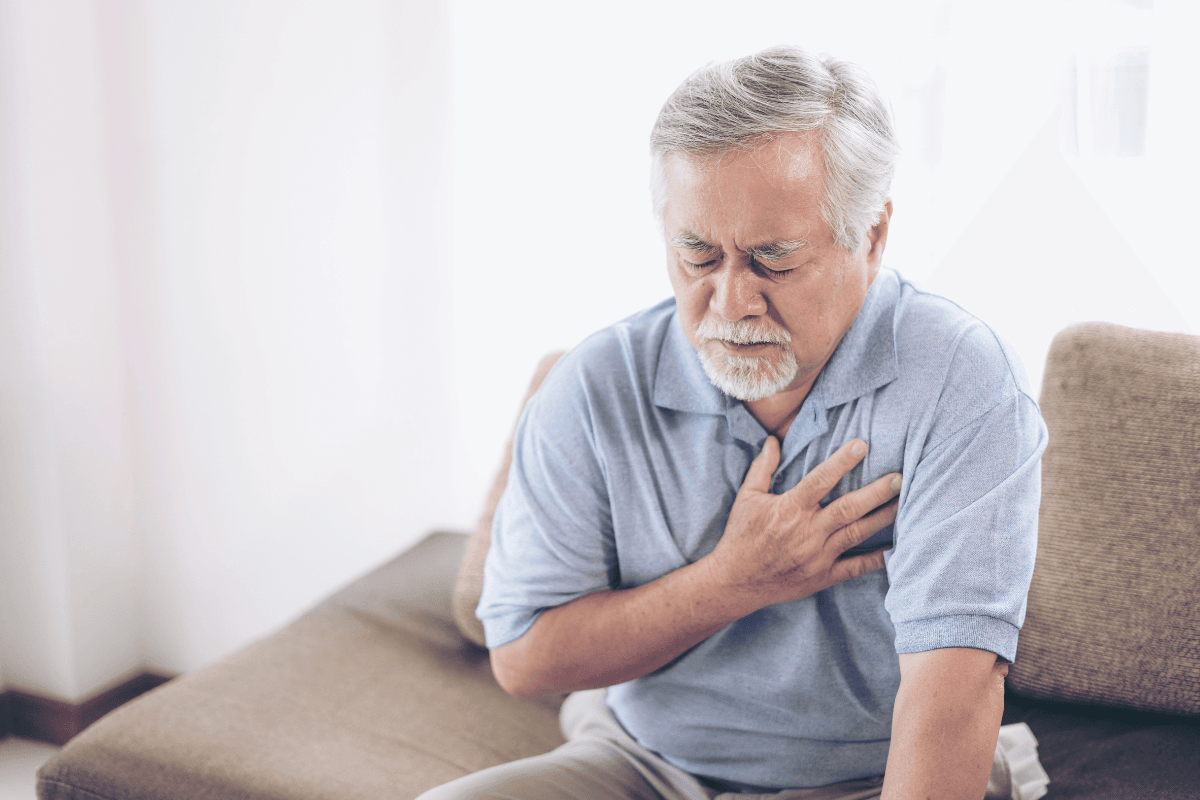


If you searched for How To Relieve Chest Pain With Safe Steps and Clear Clues, the safest answer is this: stop what you are doing, rest, and treat new, severe, or unexplained chest pain as an emergency until a clinician says otherwise. Call 911 right away if the pain is intense, lasts more than a few minutes, returns after rest, or comes with shortness of breath, sweating, fainting, nausea, or pain that spreads to the arm, jaw, back, or neck.
Chest pain can start in the heart, lungs, esophagus, muscles, ribs, or the body’s stress response. Relief matters, but triage matters more. A hot drink, breathing trick, or antacid may comfort some mild nonemergency symptoms, yet none can safely rule out a heart or lung problem.
Key Takeaways
- New, severe, or unexplained chest pain needs urgent attention.
- Rest is a first step, not proof that the cause is harmless.
- Pressure, tightness, spreading pain, or shortness of breath are red flags.
- Burning after meals or tenderness to touch may suggest noncardiac causes, not certainty.
- No pressure point or home remedy should replace emergency care.
How To Relieve Chest Pain Safely at the Start
There is no universal way to immediately relieve chest pain, so the first few minutes should focus on safety. Stop activity. Sit upright or in the most comfortable position you can manage. Tell someone nearby what is happening. If symptoms feel severe, unfamiliar, or hard to explain, call 911 instead of trying to solve it alone.
- Stop exertion and rest.
- Tell someone and stay with them.
- Call 911 for red-flag symptoms.
- Follow any emergency plan already given by your clinician.
- Use prescribed emergency medicine only as directed for you.
- Start CPR if the person becomes unresponsive and is not breathing normally.
Even if the pain eases after a minute or two, do not assume the danger has passed. Some serious causes improve briefly with rest. If the discomfort is clearly linked to a sore muscle, twisting movement, or a familiar reflux episode, gentle rest may help while you watch closely. But new chest pain, especially if it feels heavy, tight, or deep, deserves a lower threshold for urgent care.
Why it matters: Early action can matter more than finding the perfect home remedy.
Emergency Clues You Should Not Wait On
You should call 911 if chest pain feels crushing, heavy, suddenly intense, or hard to catch your breath through. The same is true if it comes with fainting, gray or pale skin, major weakness, or a sense that something is very wrong.
Serious chest pain is not always dramatic. It may feel like pressure, fullness, squeezing, burning, or painful tightness. Some people feel it more in the upper stomach, back, jaw, shoulder, or arm than in the center of the chest. Left-sided pain gets attention, but dangerous causes are not limited to the left side.
- Pain or pressure lasting more than a few minutes.
- Pain that returns after resting.
- Shortness of breath or air hunger.
- Pain spreading to the jaw, arm, neck, shoulder, or back.
- Cold sweat, nausea, vomiting, or fainting.
- Sudden sharp pain with major breathlessness.
- Chest pain after major trauma or stimulant use.
- Chest discomfort with new confusion, collapse, or bluish lips.
Sharp pain that gets worse with breathing can come from the lungs, the lining around the lungs, or the chest wall. It can also signal emergencies such as a blood clot in the lung. Do not drive yourself if you feel unstable, very short of breath, or close to passing out. Do not wait to see whether a pressure point, a hot drink, or an antacid fixes it.
Clear Clues About Heart, Lung, and Noncardiac Pain
Patterns can help, but they do not diagnose the cause on their own. Noncardiac chest pain means the discomfort is not caused by the heart, yet you cannot know that safely from one symptom alone.
| Pattern | What it may suggest | Important caution |
|---|---|---|
| Pressure, squeezing, or heaviness during effort | Heart-related reduced blood flow or another urgent cardiac cause | More concerning if it spreads or comes with sweating, nausea, or breathlessness |
| Sharp pain that worsens with deep breathing or coughing | Lung irritation, chest-lining inflammation, or chest wall pain | Sudden breathlessness, collapse, or leg swelling makes it more urgent |
| Burning after meals or when lying down | Reflux, heartburn, or esophageal irritation | Heart pain can mimic indigestion, especially when symptoms are new |
| Pain that is sore, tender, or worse with movement | Muscle strain or costochondritis (inflamed rib cartilage) | Tenderness lowers concern for some heart causes but does not erase it |
| Tightness with panic, tingling, or fast breathing | Anxiety or panic symptoms | First-time or severe symptoms still need urgent assessment |
Gas pain can feel sharp, bloated, or shifting and may improve after belching. That can be reassuring, but it is not definitive. Serious heart pain is often mistaken for indigestion, especially when it happens after eating or feels more like pressure under the breastbone than a classic stabbing pain.
How to tell if chest pain is heart or lungs
Heart-related pain often feels like pressure, squeezing, fullness, or a heavy band across the chest. It may spread and may worsen with exertion. Lung-related pain is often pleuritic, meaning it gets worse when you take a deep breath, cough, or move the chest wall. That said, overlap is common. A lung problem can feel like pressure, and a heart problem can feel like burning. Context matters as much as the sensation itself.
What the 3 P’s can and cannot tell you
Some clinicians use the 3 P’s of chest pain as shorthand for pleuritic, positional, and palpable pain. Pleuritic means worse with breathing. Positional means it changes when you sit up, lie down, or twist. Palpable means pressing on the area reproduces the pain. These clues may point away from classic heart attack pain and toward chest wall or lung-lining irritation, but they do not rule out something serious. They are clues, not a diagnosis.
Do pressure points help?
No pressure point is a reliable or evidence-based fix for unexplained chest pain. Changing position may ease reflux. Slow exhale breathing may reduce panic-related tightness. A warm compress may help a sore chest muscle after a clinician has ruled out urgent causes. None of those steps should delay emergency care when symptoms are strong, new, or unclear.
Symptom guides help, but the clinician makes the medical judgment.
Avoid Risky Shortcuts While You Decide Next Steps
The biggest mistake is chasing relief before you understand the risk. Chest pain home remedies can sound appealing, but they only make sense after emergency causes have been considered.
- Do not keep exercising through pressure or tightness.
- Do not assume it is only gas because you ate recently.
- Do not blame anxiety during a first or unusually strong episode.
- Do not drive yourself if you feel weak, sweaty, or breathless.
- Do not search for a pressure-point trick instead of calling for help.
- Do not wait alone if symptoms are escalating.
Sitting upright may ease heartburn-like burning. Rest may calm musculoskeletal chest pain. Slow, steady breathing may reduce anxiety-related chest tightness. Those are comfort measures, not proof of the cause. If symptoms are persistent, worsening, or paired with red flags, the safer move is urgent evaluation.
Quick tip: Note the start time, triggers, and any spread of pain before you seek care.
The Questions Clinicians Use to Triage Chest Pain
Chest pain assessment usually starts with a few pattern questions that quickly change the next step. Clinicians often build a differential diagnosis, or short list of possible causes, from timing, triggers, and associated symptoms rather than from the word pain alone.
- When did it start, and was it sudden or gradual?
- Does it feel like pressure, burning, stabbing, tightness, or soreness?
- Is it in one spot, or does it spread elsewhere?
- Is it worse with walking, stairs, breathing, coughing, meals, or stress?
- Can you reproduce it by pressing on the chest or moving your torso?
- Do you also have shortness of breath, palpitations, sweating, nausea, fever, or leg swelling?
- Have you had recent surgery, long travel, injury, infection, or similar episodes before?
A burning pain after a heavy meal that improves when you sit upright points in a different direction than heavy pressure that starts while climbing stairs and comes with nausea. Pain that feels worse when breathing suggests a different pathway than pain that appears with exertion. These clues do not replace testing, but they help decide who needs emergency care now, who needs same-day evaluation, and who may be safe for follow-up.
If you are helping someone else, keep your questions simple. Ask what the pain feels like, whether it spreads, whether breathing is hard, and whether the person feels faint. If the answers raise concern, call 911 first and sort details later.
When Telehealth May Help and When It Should Not
Telehealth can support follow-up and nonemergency symptom review, but it should never replace emergency care for potentially dangerous chest pain. Severe pressure, shortness of breath, fainting, or rapidly worsening symptoms need in-person emergency assessment.
For broader reading on heart symptoms and related topics, start with the Cardiovascular Hub. If emergency causes have already been addressed and you are planning a remote conversation, review Top Questions To Ask, the Virtual Doctor Visit Guide, and the Appointment Checklist so you can describe the pattern clearly.
Medispress uses secure video visits with licensed U.S. clinicians.
If you are still learning how remote care works, see Telemedicine Services, Telehealth Services, and Telehealth Basics. For scope and decision support, What Telehealth Can Treat and Compare Telehealth Options explain when virtual care may fit and when in-person testing is more appropriate.
A virtual clinician may help review symptom patterns, reflux or anxiety overlap, medication side effects, or the next step after an emergency room visit. If follow-up treatment includes a prescription, any coordination with a pharmacy still depends on clinical judgment and state rules.
Authoritative Sources
- CDC overview of heart attack symptoms
- American Heart Association warning signs summary
- MedlinePlus review of chest pain causes
How To Relieve Chest Pain With Safe Steps and Clear Clues is really about recognizing what cannot wait. Comfort measures can help some noncardiac chest pain, but the safest relief starts with emergency action when warning signs are present and follow-up care when they are not.
This content is for informational purposes only and is not a substitute for professional medical advice.