


Menstrual Pain
Care Options for Menstrual Pain
Period cramps can disrupt school, work, and family routines quickly.
Browse this Menstrual Pain category page for practical care resources.
It covers common symptoms, likely triggers, and questions to bring to visits.
Use it to compare self-care tools and medication types, safely.
Medispress telehealth visits are video appointments with licensed U.S. clinicians.
Menstrual Pain What You’ll Find
Many people call this period cramps, while clinicians may say dysmenorrhea (painful periods).
On this browse page, the focus is understanding patterns, not self-diagnosing.
Details like timing, location, and related symptoms can change what to ask.
Some cramps start before bleeding and peak on day one.
Others feel sharp pain with bowel movements, sex, or urination.
Those differences can point to primary versus secondary dysmenorrhea.
This collection may include both over-the-counter options and clinician-reviewed prescriptions.
It also highlights non-drug supports like heat, movement, and relaxation.
Look for notes about ingredient classes, common side effects, and label cautions.
Quick tip: Save cycle dates and symptom notes in one place.
- Common symptom patterns, including back pain and thigh pain
- Possible causes of cramps, including endometriosis and period pain links
- Over the counter period pain relief categories and label reminders
- Medication classes often discussed for cramp relief, without dosing guidance
- Heat and device options, including heating pads and TENS units
- Ways to compare period cramps versus ovulation pain timing
- Signs that suggest a medical review may be needed
How to Choose
Start by sorting options into comfort tools, OTC medicines, and clinician care.
Most listings make more sense when pain patterns are clearly described.
If Menstrual Pain interrupts school or work, note functional impact.
Understand symptom patterns
Cramps that stay low in the pelvis can differ from back or thigh pain.
Also note nausea, diarrhea, fatigue, or menstrual migraine timing.
- When pain starts and how long it lasts
- Whether pain is cramping, stabbing, or dull pressure
- How heavy bleeding is, compared with usual cycles
- Any pain between periods, including mid-cycle discomfort
- Whether symptoms began after years of easy cycles
- Whether pain comes with pelvic pressure or rectal pain
Compare medication and non-drug approaches
Over-the-counter choices often include NSAIDs, such as ibuprofen or naproxen.
Some people prefer acetaminophen, or avoid NSAIDs for safety reasons.
- Ingredient class, and whether it overlaps with other medicines taken
- Form and convenience, like tablets versus topical products
- Stomach, kidney, blood pressure, or bleeding risk considerations
- Heat options and safe temperature limits for skin protection
- TENS devices and comfort with electrodes during daily activities
- Herbal teas and supplements, with interaction checks before use
- Movement plans, including gentle exercise for menstrual cramps comfort
- Food patterns that may help some people, including hydration and balanced meals
Why it matters: Clear notes help a clinician focus the conversation.
Safety and Use Notes
Safety depends on medical history, current medicines, and symptom severity.
Menstrual Pain can overlap with pelvic pain from other causes.
That includes fibroids, endometriosis, adenomyosis, or pelvic infections.
Visits take place in a secure, HIPAA-compliant app.
NSAIDs can irritate the stomach and may raise bleeding risk.
Acetaminophen has different risks and still needs label attention.
Supplements, including magnesium, can interact with other products and prescriptions.
For a medical overview, see ACOG dysmenorrhea guidance.
For OTC safety basics, review MedlinePlus pain reliever information.
Cramps plus very heavy bleeding can signal a different evaluation path.
Browse Heavy Menstrual Bleeding for related symptom groupings and options.
Primary dysmenorrhea means cramping without another pelvic condition found.
Secondary dysmenorrhea means cramps linked to an underlying condition.
- Pain is sudden, severe, or different from the usual pattern
- Fainting, fever, or vomiting prevents normal hydration
- Bleeding soaks pads or tampons much faster than typical
- Pain occurs with sex, urination, or bowel movements
- New pain starts after pregnancy, a procedure, or a device change
- Persistent pain occurs between periods, not just during bleeding
Access and Prescription Requirements
Some options are sold over the counter, while others are prescription-only.
For Menstrual Pain, some options require a prescription and pharmacy verification.
Product pages usually note whether an Rx is required for dispensing.
Medispress supports cash-pay access, often without insurance, when available.
Availability and prescribing rules vary by state and clinical fit.
Telehealth visits are offered at a flat fee for many services.
When appropriate, clinicians can route prescriptions to partner pharmacies under state rules.
Partner pharmacies may require identity checks and allergy confirmation.
Dispensing follows pharmacy laws and standard prescription validation steps.
Not every person will need medicine, and not every request is appropriate.
- Current medication list, including supplements and birth control methods
- Known allergies, stomach issues, kidney disease, or bleeding disorders
- Cycle dates, bleeding volume, and the timing of cramps
- Teen history, including whether pain started with early cycles
- Associated symptoms, like dizziness, bowel changes, or headache
- What has been tried, including heat, rest, and OTC products
Related Resources
Use these links to explore Menstrual Pain topics across women’s health.
Broader context can help when cramps overlap with mood and stress.
See Women’s Health Guide To Wellness for age-based basics and planning ideas.
Hormone shifts can change cramp patterns during perimenopause and beyond.
Browse Hormonal Health Tips In Menopause for symptom context and discussion starters.
Mental health can also affect pain perception, sleep, and daily coping.
Read Early Signs Of Depression for supportive context when low mood persists.
When browsing, compare ingredients, warnings, and format details side by side.
Save items to an account list and share questions during appointments.
This content is for informational purposes only and is not a substitute for professional medical advice.

Find suitable medication for Menstrual Pain
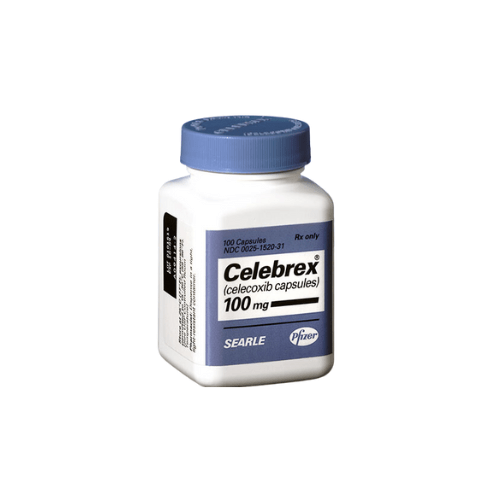
Book a telehealth visit to discuss Menstrual Pain
Find a doctor
Speciality
State

Video Visit
$69

Video Visit
$69

Video Visit
$69

Video Visit
$69

Video Visit
$69
Meet Dr. Priya Asija: Board-Certified Family Physician and Wound Care Specialist Committed to Comprehensive CarePriya Asija is a board-certified Family Medicine physician and Wound Care Specialist with more than 15 years of experience. Her work includes primary care, urgent care-style visits, telemedicine, and advanced wound management. She holds a Wound Care Certification (WCC) through NAWCO, is credentialed in hyperbarics, and maintains BLS and ACLS certifications. She is licensed to practice in Texas, Florida, Pennsylvania, Wisconsin, Alabama, Arizona and Illinois.Dedicated to delivering high-quality, patient-centered care, Dr. Asija treats a wide range of acute and chronic medical conditions, provides preventive services, and specializes in wound care and hyperbaric medicine. She is the owner of Brookfield Family Practice, division of SAAK Health Care, partner at SAAK Wound Care Clinic and Hyperbarics, and serves as Medical Director for Wisconsin Wound Pros. Her services include primary care visits, urgent care management, wound evaluations, hyperbaric therapy oversight, telemedicine consultations, and prescription refill appointments when medically appropriate to support continuity of care.Fluent in English, Dr. Asija combines strong clinical expertise with compassionate communication. She collaborates closely with patients and interdisciplinary teams to promote healing, preventive health, and long-term wellness, ensuring accessible and comprehensive care across the states in which she practices.
Read Bio
Speciality: Family Medicine
Speaks: English
Video Visit
$69

Video Visit
$69

Video Visit
$69

Video Visit
$69

Video Visit
$69

Video Visit
$69
Frequently Asked Questions
What counts as severe period cramps?
Severe cramps can mean pain that stops normal activities or sleep. It can also mean pain that feels new, sudden, or steadily worsening. Watch for red flags like fainting, fever, vomiting, or severe one-sided pain. Heavy bleeding with dizziness can also matter. Some conditions, like endometriosis, can cause intense or persistent pain. A clinician can help sort primary versus secondary dysmenorrhea and decide next steps.
What is dysmenorrhea, and what does primary vs secondary mean?
Dysmenorrhea is the medical term for painful periods. Primary dysmenorrhea usually means cramping without another pelvic condition identified. It often relates to normal uterine contractions and prostaglandins. Secondary dysmenorrhea means period pain linked to an underlying cause. Examples can include endometriosis, fibroids, or adenomyosis. The timing of symptoms, new changes over time, and pain between periods can help a clinician decide which type is more likely.
What over-the-counter options are commonly used for period cramps?
Common OTC choices include NSAIDs like ibuprofen or naproxen. These medicines can help some people with cramping discomfort. Others use acetaminophen, which works differently and has different safety concerns. Labels matter, especially for stomach ulcers, kidney disease, bleeding risk, or liver disease. Avoid taking more than one NSAID product at the same time. Non-drug options can include a heating pad or a TENS device, used according to instructions.
How does a telehealth visit work for cramp concerns?
A visit is usually a video appointment with a licensed U.S. clinician. The clinician reviews symptom patterns, medical history, and current medications. They decide whether self-care guidance, OTC options, testing, or prescriptions are appropriate. When a prescription is appropriate, it may be coordinated through partner pharmacies, depending on state rules. Some situations still require in-person exams or imaging. Many visits are cash-pay and may not require insurance.
What information helps a clinician evaluate recurring cramps?
Simple tracking can make the history easier to interpret. Useful details include cycle dates, when pain starts, and how long it lasts. Note the pain location, plus back pain, thigh pain, or rectal pressure. Add bleeding level and any clots, compared with usual cycles. Include associated symptoms like nausea, diarrhea, urinary pain, or menstrual migraine timing. List what was tried, including heat, rest, OTC medicines, and any supplements or herbal teas.