


Mantle Cell Lymphoma
Care Options and Resources for Mantle Cell Lymphoma
This category page supports patients and caregivers learning about Mantle Cell Lymphoma. It focuses on practical navigation, common terms, and related condition collections. Mantle cell lymphoma is a B-cell non-Hodgkin lymphoma subtype. Care often involves coordinated oncology and primary care follow-up. This page helps keep the big picture organized.
Topics commonly include mantle cell lymphoma symptoms, mantle cell lymphoma diagnosis, and mantle cell lymphoma staging. Many people also look for mantle cell lymphoma prognosis language in plain terms. Treatment conversations may include mantle cell lymphoma treatment options and newer mantle cell lymphoma therapies. This page stays educational and non-prescriptive.
Medispress offers video visits in a secure, HIPAA-compliant app.
Mantle Cell Lymphoma What You’ll Find
This browse page collects condition-aligned resources and related listings in one place. It can help compare high-level pathways discussed in care, without giving medical advice. Many descriptions use oncology shorthand, so definitions matter. The goal is clearer reading and better questions for visits.
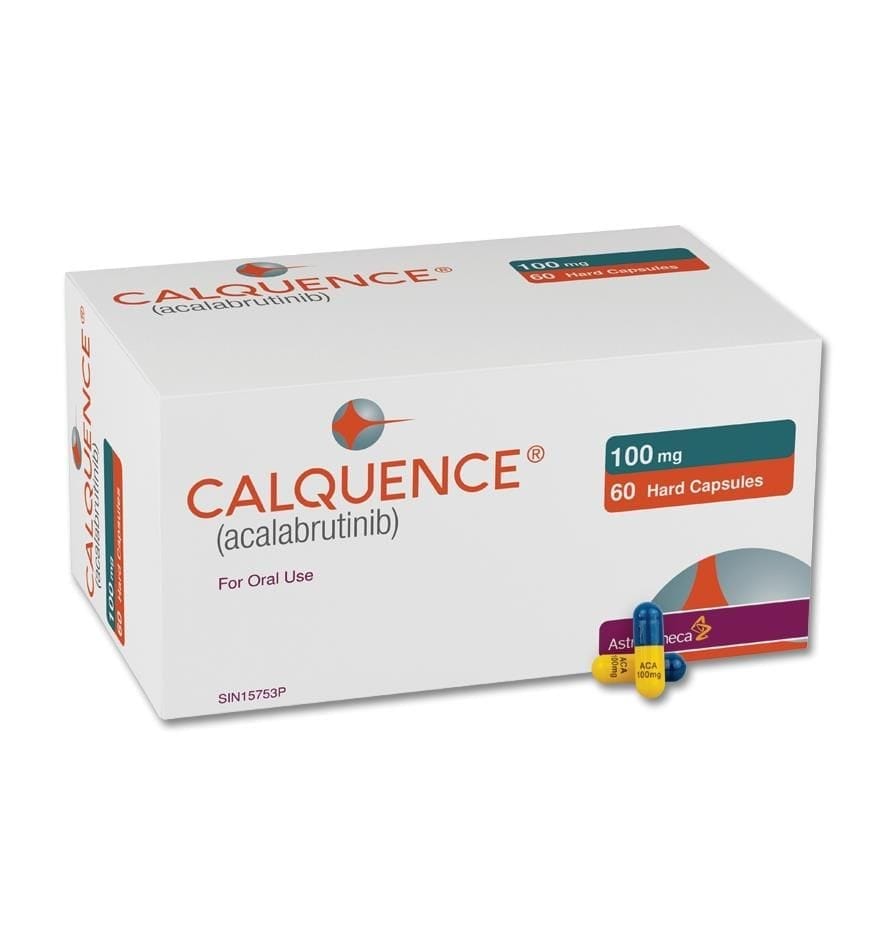
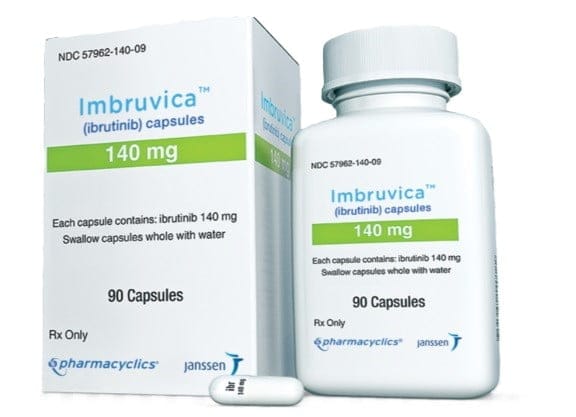
Some entries may reference targeted therapy mantle cell lymphoma approaches, including BTK inhibitors for mantle cell lymphoma. Others may mention chemotherapy for mantle cell lymphoma, immunotherapy mantle cell lymphoma, or stem cell transplant mantle cell lymphoma. Content may also reference mantle cell lymphoma clinical trials and how studies are described. For broader context, it can help to scan Non Hodgkin Lymphoma and Blood Cancers Collection.
- Plain-language explanations of common oncology terms and abbreviations
- Common testing and reporting terms, like biopsy and pathology (tissue review)
- Markers often listed in reports, like cyclin D1 t(11;14), SOX11, and Ki-67
- Staging and response terms, including PET-CT (whole-body imaging) and minimal residual disease
- Links to related collections, such as Browse Lymphoma
How to Choose
When comparing Mantle Cell Lymphoma resources, start with the question being answered. Some pages focus on diagnosis details and staging language. Others focus on living with the condition during and after treatment. Matching the page to the need saves time.
Match content to the situation
- Is the focus new diagnosis, or relapsed mantle cell lymphoma terminology?
- Does the page explain mantle cell lymphoma staging in everyday language?
- Are risk terms explained, like MIPI score (a prognosis index) and Ki-67?
- Does it distinguish indolent mantle cell lymphoma from faster-growing patterns?
- Is leukemic non-nodal mantle cell lymphoma defined in simple words?
- Are uncommon subtypes clarified, like blastoid variant mantle cell lymphoma?
Bring the right questions to visits
- Which report confirms the diagnosis, and what did pathology show?
- What tests supported staging, such as PET-CT or bone marrow review?
- How is prognosis discussed for groups, not individuals?
- Which mantle cell lymphoma treatment options are being considered, and why?
- Are clinical trials relevant, and what makes someone eligible?
- What does survivorship mantle cell lymphoma follow-up usually include?
Quick tip: Keep pathology, imaging summaries, and medication lists in one folder.
Safety and Use Notes
Many lymphoma therapies affect immune function and blood counts. Side effects can include infection risk, bleeding risk, and fatigue. Interactions may matter with anticoagulants (blood thinners) and some supplements. Labeling and oncology guidance should lead these decisions.
Licensed U.S. clinicians review information and document decisions during telehealth visits.
Common discussions can include targeted agents, immunotherapy, and combination regimens. Some people also read about transplant pathways, which require specialized centers. Relapsed and refractory are different terms, and resources may define both. Any medication details should be checked against official prescribing information.
For clear, condition-specific background, see Leukemia and Lymphoma Society overview. For broader cancer treatment concepts, see National Cancer Institute lymphoma information.
- Ask whether new symptoms could be treatment-related, infection-related, or unrelated
- Confirm how medication interactions are screened across all prescribers
- Clarify monitoring needs, including labs and imaging, before changes are made
- Review vaccine timing and precautions with the oncology team
- Flag pregnancy and fertility topics early, since plans can be affected
- Track skin changes, since irritation can have multiple causes
Comfort topics sometimes come up during treatment seasons. This includes dryness, rash, or sensitivity from many causes. The general overview on Skin Irritation Treatments can help with terminology and product categories.
Access and Prescription Requirements
Access pathways differ by therapy type and setting. Many treatments are prescription-only and require oncology oversight. Some medications are dispensed through specialty pharmacies or clinic-based services. This collection focuses on administrative clarity, not medical direction.
When appropriate, providers coordinate prescription options through partner pharmacies, within state rules.
Some people use cash-pay options, often without insurance, for certain services. Coverage rules and prior authorization needs vary by plan and medication. A clinician may request records before discussing prescription options. This can include pathology summaries, imaging reports, or recent labs.
- Current medication list, including over-the-counter products and supplements
- Allergies and past reactions, especially infusion reactions or severe rashes
- Recent oncology notes that summarize diagnosis and staging
- Key biomarkers, if reported, like cyclin D1 t(11;14) or SOX11
- Basic timing details, such as last treatment date and upcoming visits
- Pharmacy details, since fulfillment depends on the dispensing pharmacy
Related collections can be useful when reports list overlapping terms. Some pathology reports compare multiple lymphoma types. It may help to review Follicular Lymphoma and Hodgkin Lymphoma for contrast in naming and staging language.
Related Resources
Many people prefer to browse by the broader lymphoma family first. That approach can make report language easier to interpret. The collections for Marginal Zone Lymphoma and Small Lymphocytic Lymphoma may also help when differentials are mentioned. Guidelines mantle cell lymphoma references often point to clinician frameworks, not personal predictions.
Why it matters: Clear definitions reduce confusion when several lymphoma terms appear together.
- Browse related condition collections to understand naming differences
- Look for glossaries that explain staging, response, and relapse terms
- Use patient resources mantle cell lymphoma pages for practical terminology
This content is for informational purposes only and is not a substitute for professional medical advice.

Find suitable medication for Mantle Cell Lymphoma
Book a telehealth visit to discuss Mantle Cell Lymphoma
Find a doctor
Speciality
State

Video Visit
$69

Video Visit
$69

Video Visit
$69

Video Visit
$69

Video Visit
$69

Video Visit
$69

Speciality: Dermatology, Family Medicine, Men's Health, Urgent Care, Women's health
Speaks: English, Spanish, French, Arabic, Portuguese
Video Visit
$69

Video Visit
$69

Video Visit
$69

Video Visit
$69

Video Visit
$69

Video Visit
$69
Frequently Asked Questions
What is included on this category page?
This category page brings together resources related to Mantle Cell Lymphoma. It may include educational explanations, related condition collections, and access notes. Many entries focus on terms seen in real reports, like staging words and biomarker names. It also links to other lymphoma collections for comparison. The goal is easier browsing and clearer context for care discussions.
How should terms like indolent, relapsed, or blastoid variant be interpreted?
These terms describe patterns of disease behavior and timing. Indolent usually means slower-growing features in some cases. Relapsed means the disease returned after a response period. Blastoid variant describes a more aggressive-appearing pattern under the microscope. Resources may also mention leukemic non-nodal patterns, which affect where disease shows up. A pathology report and clinician explanation provide the right context.
What information is helpful to have ready for a telehealth visit?
Helpful records include a diagnosis summary and the pathology report. Imaging summaries, such as PET-CT results, can clarify staging language. A current medication list helps screen for interaction risks. Allergy history and past severe reactions are also important. Recent lab summaries may be requested, depending on the topic. Keeping these documents organized supports a more efficient conversation.
Do all treatments discussed for this condition require a prescription?
Many therapies for lymphoma are prescription-only and clinician-managed. Some are oral drugs, while others are infusions given in clinics. Certain supportive items may be available without a prescription, depending on the product type. Access requirements can also vary by state rules and dispensing pharmacy policies. Resources on this page aim to explain those administrative differences, without recommending specific treatment choices.
How are prescriptions coordinated through Medispress?
Medispress supports telehealth visits with licensed U.S. clinicians through a secure app. Clinicians make independent medical decisions based on the available information. When a prescription is clinically appropriate, providers may coordinate options through partner pharmacies. Pharmacy partners follow required prescription verification and dispensing rules. Availability and fulfillment details can vary by medication type and state regulations. Cash-pay access may be an option for some services, often without insurance.