


Lymphoma
Care Options and Resources for Lymphoma
This category page supports browsing and learning about Lymphoma for patients and caregivers.
It brings together subtype collections, key terms, and practical care questions.
Many people start with symptoms like swollen nodes, fevers, or weight loss. Others arrive here after an imaging report or biopsy summary.
Use this page to compare language used in clinic notes and discharge papers. It can also help track questions for an oncology visit.
B symptoms can mean fever, drenching night sweats, and unexpected weight loss. Notes may also describe B-cell or T-cell types.
Workups often mention pathology (microscope review) and immunophenotyping (cell markers). Staging can reference CT or PET scans.
Care summaries may list chemotherapy, radiation, immunotherapy (immune-based treatment), or targeted therapies. They may also mention remission and recurrence monitoring.
For broader navigation across related diagnoses, browse Blood Cancers.
Medispress telehealth visits are provided by licensed U.S. clinicians.
Lymphoma: What You’ll Find
This collection is organized for real-world browsing and follow-up. It focuses on subtypes, common testing terms, and care pathways.
Start with subtype collections like Hodgkin Overview and Non-Hodgkin Overview. For a slow-growing B-cell type, review Follicular Type.
Each page may clarify what a label means and what questions it raises. It may also explain why the same symptom can fit many causes.
- Subtype groupings and how names are used in records
- Common symptoms and everyday terms seen in visit notes
- Typical tests, including biopsy and imaging language
- High-level treatment categories and how they differ
- Remission and recurrence terminology used in follow-up care
- Support topics that often come up for caregivers
How to Choose
Start by matching what is on the pathology report to the page label. Small wording differences can point to different care plans.
A Lymphoma diagnosis can cover many diseases, even with similar symptoms. That is why records matter more than symptom lists.
Match the subtype language
- Use the exact subtype name from the biopsy or hematopathology note
- Check whether the record mentions B-cell, T-cell, or “indolent” disease
- Note any grade or transformation language, if it appears
- Look for key tests listed, such as flow cytometry (cell sorting)
- Track what imaging was used, including PET scans versus CT only
- Separate “rule-out” notes from confirmed diagnoses in the chart
Bring the right questions to a visit
- Ask what staging means in plain language for the specific subtype
- Ask which goals are being tracked, such as response or symptom control
- Ask how follow-up is monitored after treatment ends
- Ask which side effects need prompt attention, based on therapy type
- Ask how other conditions and medications may affect the plan
- Ask where records should be sent when changing care sites
Quick tip: Keep a single folder with the latest pathology and imaging summaries.
Safety and Use Notes
Care for blood and lymph system cancers can involve complex therapies. Plans are individualized and guided by oncology teams.
Common categories include chemotherapy, radiation therapy, immunotherapy, targeted therapy, and CAR T-cell therapy. These approaches can differ in setting, monitoring, and side-effect patterns.
Some treatments may lower infection defenses or change blood counts. Others may affect nerves, skin, heart function, or hormone balance.
- Share a complete medication list, including supplements and herbal products
- Report a history of hepatitis, HIV, or recurrent infections to the clinician
- Confirm any pregnancy, fertility, or breastfeeding concerns before new medications
- Ask how vaccines should be timed around immune-suppressing treatments
- Clarify who to contact for fevers, rashes, or sudden breathing issues
- Confirm whether new symptoms could relate to treatment or another illness
For clear, standardized definitions, see the National Cancer Institute glossary and condition overviews.
Appointments use a secure, HIPAA-compliant Medispress app for video care.
Access and Prescription Requirements
Some supportive medications for Lymphoma care are prescription-only. Others are over-the-counter and still need safe use checks.
Prescription access depends on clinical appropriateness and the medication type. Some therapies require onsite administration and specialist supervision.
When prescriptions are needed, licensed dispensing and verification help protect safety. This may include identity checks, allergy review, and interaction screening.
- Have the most recent medication list ready for review
- Keep allergy history and past reaction details in one place
- Know which pharmacy currently fills chronic medications, if any
- Be ready to share recent lab or imaging summaries when relevant
- Confirm whether refills require updated clinical documentation
- Ask how state regulations affect dispensing and pharmacy options
Why it matters: Verification steps can reduce avoidable errors and duplicated therapies.
Cash-pay options may be available, often without insurance, depending on the prescription. Coverage rules and documentation needs can vary by plan and medication.
When clinically appropriate, clinicians may coordinate prescriptions through partner pharmacies, following state rules.
Related Resources
For more specific browsing, compare additional subtype collections like Mantle Cell Type, Marginal Zone Type, and Small Lymphocytic Type. For practical symptom care that can come up during treatment, see Skin Irritation Treatments.
For patient education and plain-language background, refer to the American Cancer Society cancer guides.
Lymphoma resources and support can include counseling, transportation help, and peer groups. Many centers also offer caregiver and survivorship services.
This content is for informational purposes only and is not a substitute for professional medical advice.

Find suitable medication for Lymphoma

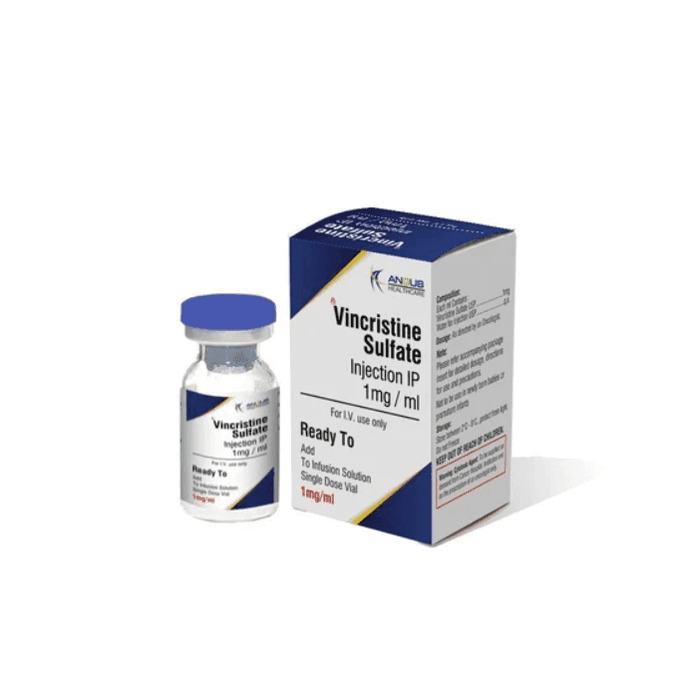
Book a telehealth visit to discuss Lymphoma
Find a doctor
Speciality
State

Video Visit
$69

Video Visit
$69

Video Visit
$69

Video Visit
$69

Video Visit
$69

Video Visit
$69

Speciality: Dermatology, Family Medicine, Men's Health, Urgent Care, Women's health
Speaks: English, Spanish, French, Arabic, Portuguese
Video Visit
$69

Video Visit
$69

Video Visit
$69

Video Visit
$69

Video Visit
$69

Video Visit
$69
Frequently Asked Questions
What does this Lymphoma category page include?
This category page groups related subtype collections and practical explanations of common terms. It may cover symptoms, testing language, staging terms, and broad treatment categories. It can also include administrative access notes for prescriptions and follow-up questions. Content is meant to support browsing and organization, not to replace clinical care. Diagnosis and treatment decisions remain with qualified clinicians, often within an oncology team.
Which details are most helpful when browsing subtype pages?
The most useful details usually come from medical records, not symptom lists. Helpful items include the exact subtype name from pathology, any B-cell or T-cell wording, and whether grade is listed. Imaging and biopsy terms can also guide which page fits best. Dates matter too, since labels can change after repeat testing. Keeping a short record summary makes browsing faster and reduces mix-ups.
Can Medispress help with prescription access for cancer-related care?
Medispress can support telehealth visits for medication questions and care coordination topics. Visits are handled by licensed U.S. clinicians through a secure video app. When clinically appropriate, a clinician may coordinate prescription options with partner pharmacies, based on state rules. Some cancer therapies require in-person administration and specialist oversight. Availability also depends on the medication, clinical context, and documentation needs.
What terms commonly appear in lymphoma workups and staging?
Workups often include biopsy (tissue sample), pathology review, and immunophenotyping (cell markers). Notes may mention flow cytometry, blood counts, and LDH lab results. Imaging terms can include CT and PET scan, which helps assess active disease patterns. Staging language may appear alongside performance status, which describes daily function. Clinicians interpret these results together, since no single test tells the whole story.
When should symptoms be treated as urgent?
Urgent evaluation is often needed for severe breathing trouble, chest pain, confusion, fainting, or uncontrolled bleeding. High fever can be especially serious for people with low immune defenses. Rapidly worsening swelling of the face or throat can signal a severe allergic reaction. New, intense headache with neck stiffness can also be concerning. Local emergency guidance and the treating oncology team should direct next steps in acute situations.