


Lupus
Care Options and Resources for Lupus
This category page covers Lupus basics, care topics, and medication navigation. It is written for patients, caregivers, and support partners. It also helps with practical next steps, like scheduling and records. Many people live with symptoms that come and go in flares. Others face longer stretches of inflammation and fatigue.
Some people use systemic lupus erythematosus (SLE, a whole-body autoimmune disease) as a label. Others hear cutaneous lupus (skin-limited disease) or discoid lupus (a scarring rash form). This collection keeps the language plain and the details organized. Medispress visits are video-based with licensed U.S. clinicians.
Use this page to compare common treatment types and safety considerations. Use it to learn terms like hydroxychloroquine, corticosteroids, and immunosuppressants (immune-system calming medicines). Use it to understand when kidney, skin, or pregnancy topics matter. The goal is clearer navigation, not medical decision-making.
Lupus: What You’ll Find
This collection brings together condition-focused resources and medication pathways. It is built for browsing, not for self-diagnosis. The listings and guidance aim to match real-world questions people have. That includes fatigue in lupus, joint pain lupus, and lupus rash patterns.
It also covers how clinicians may describe disease activity and “lupus flare” triggers. Many people notice photosensitivity (sun-triggered skin reactions). Others ask about butterfly rash and other facial rashes. The page also uses rheumatology terms, since rheumatology often leads care.
- Overviews of lupus symptoms and common flare patterns
- Medication categories used in lupus treatment, with plain-language notes
- Administrative notes on prescriptions, refills, and verification steps
- Topics that often change care plans, like lupus and pregnancy
- Organ-focused context, including lupus nephritis and skin involvement
- Links to deeper reading when a topic needs more detail
How to Choose
Medication choices often depend on the pattern of symptoms and organ involvement. Some options target skin disease, while others focus on joint pain. Some options aim to prevent flare cycles over time. Lupus management also includes planning for follow-up and monitoring.
Match the goal to the main problem
- Primary symptoms: fatigue, joint stiffness, rash, or chest discomfort
- Skin features: photosensitivity, scarring plaques, or widespread redness
- Kidney concerns: swelling, foamy urine, or rising blood pressure
- Flare rhythm: sudden spikes versus slow, persistent inflammation
- Life context: work demands, caregiving needs, and travel routines
- Pregnancy planning: timing, safety questions, and care coordination needs
Plan for safe, steady follow-up
- Medication history: what helped, what caused side effects, what failed
- Other conditions: diabetes, ulcers, infections, or bone health concerns
- Current meds: interaction risks with steroids or immune-modifying drugs
- Adherence fit: dosing schedules that match daily routines
- Monitoring expectations: what may need periodic clinician review
Quick tip: Keep an updated medication and allergy list in one place.
Questions for a clinician can stay practical and specific. Ask what symptoms should prompt follow-up. Ask what side effects matter early versus later. Ask how to track changes between visits with simple notes. This approach helps visits stay focused and less stressful.
Safety and Use Notes
Most lupus medications affect the immune system or inflammation pathways. That can change infection risk and vaccine discussions. It can also affect blood pressure, blood sugar, or mood for some people. A clinician should review risks in the context of the full history.
Corticosteroids (strong anti-inflammatory medicines) can help some flare situations. They can also cause bothersome effects with longer use. Immunosuppressants may require extra caution around illness exposure. Biologics like belimumab work differently and may have their own warnings.
- Share any infection symptoms before starting new immune-targeting medicines
- Review pregnancy and breastfeeding plans before changing long-term therapies
- Discuss sun sensitivity strategies when rashes worsen with UV exposure
- Confirm what to do if a dose is missed or delayed
- Ask how to handle travel, storage, and missed appointments
Appointments run in our HIPAA-compliant app to protect health information.
Why it matters: Clear safety planning can reduce avoidable interruptions in care.
Access and Prescription Requirements
Some options in this collection require a prescription, while others do not. Prescription products must be reviewed and authorized by a licensed clinician. Pharmacies also verify prescriptions before dispensing. Lupus medications may have extra checks due to immune effects.
This browse page also supports cash-pay access, often without insurance. That can help when coverage is limited or uncertain. It can also help when a person needs a straightforward, self-pay option. Requirements can still vary by medication type and state rules.
- Medical history review, including current meds and past reactions
- Identity and contact verification for prescription processing
- Pharmacy coordination when a prescription is clinically appropriate
- Refill timing rules that follow pharmacy and state requirements
- Clear documentation in the visit note for continuity of care
If appropriate, clinicians can coordinate prescriptions through partner pharmacies, following state rules.
Related Resources
Some lupus complications affect the kidneys and may be hard to notice early. For broader context on warning signs, see Early Kidney Disease Symptoms. It can help caregivers understand what changes deserve attention.
For additional background, use this neutral overview from MedlinePlus lupus information. For community education and practical definitions, see Lupus Foundation basics. Use these sources to confirm terminology and prepare for clinical conversations.
This content is for informational purposes only and is not a substitute for professional medical advice.

Find suitable medication for Lupus
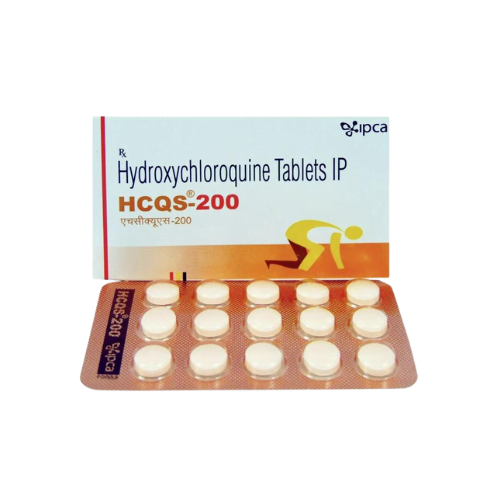

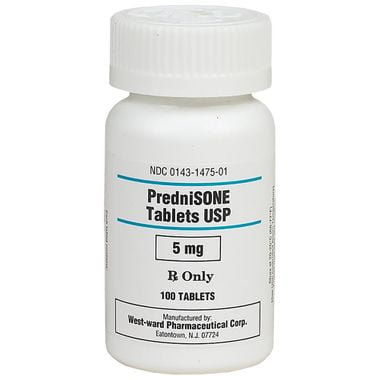
Book a telehealth visit to discuss Lupus
Find a doctor
Speciality
State

Video Visit
$69

Video Visit
$69

Video Visit
$69

Video Visit
$69

Video Visit
$69
Meet Dr. Priya Asija: Board-Certified Family Physician and Wound Care Specialist Committed to Comprehensive CarePriya Asija is a board-certified Family Medicine physician and Wound Care Specialist with more than 15 years of experience. Her work includes primary care, urgent care-style visits, telemedicine, and advanced wound management. She holds a Wound Care Certification (WCC) through NAWCO, is credentialed in hyperbarics, and maintains BLS and ACLS certifications. She is licensed to practice in Texas, Florida, Pennsylvania, Wisconsin, Alabama, Arizona and Illinois.Dedicated to delivering high-quality, patient-centered care, Dr. Asija treats a wide range of acute and chronic medical conditions, provides preventive services, and specializes in wound care and hyperbaric medicine. She is the owner of Brookfield Family Practice, division of SAAK Health Care, partner at SAAK Wound Care Clinic and Hyperbarics, and serves as Medical Director for Wisconsin Wound Pros. Her services include primary care visits, urgent care management, wound evaluations, hyperbaric therapy oversight, telemedicine consultations, and prescription refill appointments when medically appropriate to support continuity of care.Fluent in English, Dr. Asija combines strong clinical expertise with compassionate communication. She collaborates closely with patients and interdisciplinary teams to promote healing, preventive health, and long-term wellness, ensuring accessible and comprehensive care across the states in which she practices.
Read Bio
Speciality: Family Medicine
Speaks: English
Video Visit
$69

Video Visit
$69

Video Visit
$69

Video Visit
$69

Video Visit
$69

Video Visit
$69
Frequently Asked Questions
What is systemic lupus erythematosus (SLE)?
Systemic lupus erythematosus (SLE) is a form of lupus that can affect many organs. It is an autoimmune disease, which means immune activity targets healthy tissue. Symptoms can vary a lot across people and over time. Many people have periods of flares and periods of calmer disease. A clinician may describe activity levels based on symptoms and exam findings. This page focuses on browsing resources and medication pathways, not diagnosis.
What lupus symptoms are commonly discussed on this page?
This collection covers symptoms that patients and caregivers often track over time. Examples include fatigue, joint pain, and skin changes like photosensitivity or a butterfly rash. It also covers flare patterns and how symptoms can shift day to day. Some people also experience chest pain, mouth sores, or hair thinning. Symptoms alone do not confirm lupus, since many conditions overlap. Use the resources to organize questions for a licensed clinician.
What types of medications are used in lupus treatment?
Clinicians may use several medication categories, depending on symptoms and organ involvement. Common examples include hydroxychloroquine, corticosteroids, immunosuppressants, and biologics such as belimumab. Some options target skin symptoms, while others aim to reduce overall inflammation. Each medication has specific warnings and monitoring considerations. Only a licensed prescriber can decide what is appropriate. Use this category page to compare options and learn the terms used in care.
Can lupus affect the kidneys?
Yes. Lupus can involve the kidneys, often called lupus nephritis. Kidney involvement may not cause obvious symptoms at first. Some people notice swelling, foamy urine, or blood pressure changes later on. A clinician may evaluate kidney health based on history and clinical testing. This collection includes kidney-related context to support better awareness and navigation. For broader kidney warning signs, the linked kidney resource can provide helpful background.
How do prescription requirements work on Medispress?
Prescription medications require a clinician’s review and authorization. Medispress offers video visits with licensed U.S. clinicians in a secure, HIPAA-compliant app. Clinicians make all medical decisions during the visit. When a prescription is clinically appropriate, they may coordinate options through partner pharmacies. Pharmacies also verify prescriptions before dispensing, and state rules can affect availability. Some items in a condition collection may be non-prescription resources, depending on the listing.
Where can I find credible lupus education while browsing?
Look for resources from medical organizations and major health references. These sources often explain terms like cutaneous lupus, discoid lupus, and photosensitivity in plain language. They also describe flares, common symptom patterns, and why follow-up matters. This category page links to selected reading when a topic needs deeper explanation. You can also use the page structure to organize questions for a clinician. Avoid sources that promise cures or encourage stopping prescribed care.