


Itching
Care Options for Itching
This category page covers common reasons for Itching and available care options. Some causes are simple, like dry skin or soap irritation. Others need evaluation, especially with a rash or new symptoms.
Clinicians may call itchy skin pruritus (medical term for itching). This collection helps compare symptom patterns and relief approaches. It also points to practical resources for planning care.
Common situations include eczema flares, psoriasis plaques, and hives after exposures. Some people notice scalp symptoms, while others notice vaginal or anal irritation. Nighttime symptoms can feel worse because skin is warmer and drier.
Itching: What You’ll Find
Items on this browse page focus on comfort, skin protection, and symptom management. Many options support dryness, inflamed patches, or allergy-driven itch sensations. Some listings may relate to eczema, psoriasis, or hives patterns.
Each listing typically highlights what it is used for and key precautions. Many products differ by form, such as cream, ointment, gel, or shampoo. Labels may also note whether a product is fragrance-free or dye-free.
This page is also a place to compare practical details side by side. Examples include where a product can be used, how it feels on skin, and common warning statements. For scalp concerns, listings may highlight cleansing frequency and residue.
- Over the counter itch cream and soothing lotions
- Moisturizers and barrier products for dry, irritated skin
- Antihistamines for itching tied to allergy symptoms
- Scalp-care options for flaking and irritation
- Notes on common triggers like soaps, detergents, and fabrics
- Condition-aligned collections for eczema and psoriasis patterns
- General guidance on symptoms that may need clinician review
- Telehealth visit-prep resources for smoother appointments
Care decisions are made by licensed U.S. clinicians.
How to Choose
Different patterns can point to different next steps and questions. For persistent Itching, note where it starts and what worsens it. Track timing, including after showers, exercise, or new products.
Match the pattern
- Location: hands, feet, scalp, face, or skin folds
- Spread: localized spots versus generalized itch
- Skin changes: redness, scaling, bumps, blisters, or welts
- Triggers: heat, sweat, stress, soaps, or specific foods
- Timing: daytime versus nighttime symptoms
- Seasonality: winter dryness versus spring allergies
- Recent exposures: plants, pets, travel, or new bedding
- Household factors: dry indoor air or frequent cleaning products
Compare option types
Many people start by narrowing the product format and sensitivity needs. Thick ointments may seal moisture better than light lotions. Some ingredients can sting on broken or very dry skin.
- Topicals for short-term cooling or soothing sensations
- Moisturizers for daily skin barrier support
- Gentle cleansers to reduce irritant buildup
- Anti-itch lotions for larger body areas
- Targeted products for scalp or hair-bearing areas
- Products designed for sensitive or fragrance-reactive skin
- Options that can fit a daytime routine without greasiness
- Options that can support overnight comfort and fewer scratch marks
Quick tip: Save a brief symptom timeline in notes for future visits.
Safety and Use Notes
Itch can have many causes, from simple irritation to medical conditions. Sudden Itching with swelling, wheezing, or faintness can signal an emergency. Severe discomfort with fever, blisters, or purple spots also needs prompt care.
- Trouble breathing, lip or tongue swelling, or chest tightness
- Rapidly spreading rash, blistering, or skin peeling
- Fever, stiff neck, or severe headache with a new rash
- New yellowing of eyes or skin
- Severe pain, warmth, or pus around a skin area
- Dark purple spots that do not blanch with pressure
- Confusion, dizziness, or fainting with a new reaction
- Eye pain or vision changes with facial rash
Topical products can also cause irritation or allergic contact dermatitis. Fragrances, preservatives, and some botanical ingredients can be triggers. Consider how sensitive skin reacts when testing any new product.
Questions to keep in mind
Some medications and product types have extra cautions for certain groups. This includes young children, older adults, and people who are pregnant. Sedating medicines can affect driving, school, or work the next day.
- Whether a product is meant for face, groin, or broken skin
- Whether it contains a topical anesthetic or strong fragrance
- Whether it can cause sleepiness or dry mouth
- Whether it can interact with other medicines or alcohol
- Whether it is intended for short-term use only
- Whether a rash needs an exam before any treatment choice
- Whether scratching is causing skin breaks and infection risk
- Whether symptoms include swelling, pain, or systemic complaints
For common triggers and self-care basics, see American Academy of Dermatology itchy skin overview. For a broad medical overview, see Mayo Clinic on itchy skin.
Appointments run in a secure, HIPAA-compliant app.
Why it matters: Persistent itch can disrupt sleep and make skin healing harder.
Access and Prescription Requirements
Some options are available over the counter, and others require a prescription. When Itching starts after a new medicine or supplement, that timing matters. A clinician may want a complete list of recent changes.
Telehealth can be a practical starting point for many rashes and itch concerns. Clear photos in good lighting often help with a remote review. Some situations still need an in-person exam or testing.
To understand common steps, review the Virtual Doctor Visit Guide. For a simple prep list, use the Virtual Appointment Checklist. If setup is stressful, see Tech Troubles Virtual Visit for troubleshooting ideas.
Many services support cash-pay access, often without insurance, depending on the option. Prescription requirements can vary by state and by condition. Identification and pharmacy details may be needed for certain workflows.
When appropriate, prescriptions can be coordinated through partner pharmacies, per state rules.
Related Resources
These resources focus on visit logistics and communication habits. They are not specific to skin concerns, but the process is similar. They can help reduce friction during scheduling and follow-up.
For search and scheduling basics, read Virtual Doctor Visit Near Me. For an example of how large telehealth networks work, see Teladoc Health Virtual Visits. For communication basics, the Online Therapy Dos And Donts page includes useful habits that carry over. For a broader look at access, see Telehealth For Depression.
These guides can support an Itching-focused visit by reducing logistics stress.
This content is for informational purposes only and is not a substitute for professional medical advice.

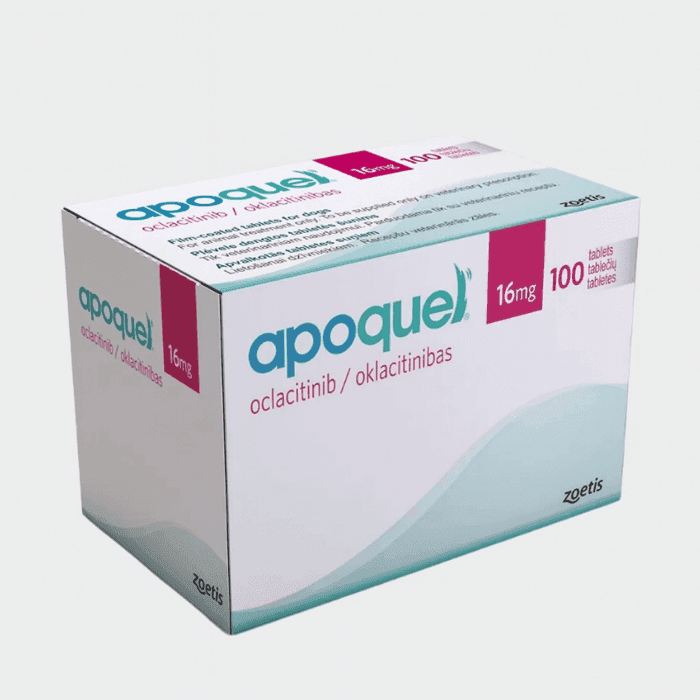
Find suitable medication for Itching




Book a telehealth visit to discuss Itching
Find a doctor
Speciality
State

Video Visit
$69

Video Visit
$69

Video Visit
$69

Video Visit
$69

Video Visit
$69
Meet Dr. Priya Asija: Board-Certified Family Physician and Wound Care Specialist Committed to Comprehensive CarePriya Asija is a board-certified Family Medicine physician and Wound Care Specialist with more than 15 years of experience. Her work includes primary care, urgent care-style visits, telemedicine, and advanced wound management. She holds a Wound Care Certification (WCC) through NAWCO, is credentialed in hyperbarics, and maintains BLS and ACLS certifications. She is licensed to practice in Texas, Florida, Pennsylvania, Wisconsin, Alabama, Arizona and Illinois.Dedicated to delivering high-quality, patient-centered care, Dr. Asija treats a wide range of acute and chronic medical conditions, provides preventive services, and specializes in wound care and hyperbaric medicine. She is the owner of Brookfield Family Practice, division of SAAK Health Care, partner at SAAK Wound Care Clinic and Hyperbarics, and serves as Medical Director for Wisconsin Wound Pros. Her services include primary care visits, urgent care management, wound evaluations, hyperbaric therapy oversight, telemedicine consultations, and prescription refill appointments when medically appropriate to support continuity of care.Fluent in English, Dr. Asija combines strong clinical expertise with compassionate communication. She collaborates closely with patients and interdisciplinary teams to promote healing, preventive health, and long-term wellness, ensuring accessible and comprehensive care across the states in which she practices.
Read Bio
Speciality: Family Medicine
Speaks: English
Video Visit
$69

Video Visit
$69

Video Visit
$69

Video Visit
$69

Video Visit
$69

Video Visit
$69
Frequently Asked Questions
What does this category page include?
This page gathers common itchy-skin topics in one place. It includes product-style listings, symptom-pattern notes, and navigation to related collections. It also highlights practical factors to compare, like product format and cautions. Some items may be over-the-counter, while others may require a prescription. The page is meant to support browsing and preparation, not to diagnose conditions.
What information helps a clinician evaluate itching?
Helpful details include where symptoms started and how they changed. Timing matters, including after showers, exercise, or new products. Photos in good lighting can be useful, especially for rashes. A list of recent medicines, supplements, and skincare changes also helps. Other symptoms can matter too, like fever, swelling, pain, or trouble breathing.
How can I tell if symptoms may need urgent care?
Urgent evaluation is often needed for breathing problems or facial swelling. Rapidly spreading rash, blistering, or skin peeling can also be concerning. Fever, severe headache, confusion, or fainting with a new rash may be urgent. New yellowing of skin or eyes can signal a medical issue. When in doubt, emergency services or urgent care may be appropriate.
Can telehealth help with itch and rashes?
Telehealth can be useful for discussing history and reviewing photos. It may help identify patterns and decide if in-person care is needed. Some conditions can be hard to assess without a physical exam. Lighting, camera quality, and the rash location can affect what is visible. A clinician may recommend follow-up or referral when a remote assessment is limited.
Are there options for people paying cash without insurance?
Some services offer cash-pay pathways, including visits and pharmacy options. Availability can depend on the state and the clinical situation. Prescription decisions are made by the treating clinician. Medication costs can vary by pharmacy and by supply details. It helps to review what is over-the-counter versus prescription-only when browsing listings. This page supports comparison and planning without making cost guarantees.