


Hypoglycemia
Care Options for Hypoglycemia
Hypoglycemia is the medical term for low blood sugar episodes. It may occur with diabetes medications, prolonged fasting, or some illnesses. Patients and caregivers can use this collection to compare tools, learn terms, and find supportive reading.
Some pages focus on symptom recognition, like shakiness, sweating, or confusion. Others cover planning topics, such as meals, activity, and medication schedules. Cash-pay access is available, often without insurance, where state rules permit.
Hypoglycemia: What You’ll Find
This browse page brings together practical context for low blood glucose concerns. It also helps explain common language used in clinics and pharmacies. For a fast refresher on warning signs, read Low Blood Sugar Warning Signs.
Listings and resources can vary by state and clinical fit. Still, the goal stays the same. Make it easier to understand options that may come up in care. That includes rescue medications, monitoring tools, and education for families managing diabetes or other risk factors.
- Plain-language explanations of low blood sugar and common scenarios
- Safety context, including when symptoms may be urgent
- Administrative notes for prescriptions and pharmacy fulfillment
- Links for telehealth planning and better visit discussions
Medispress offers video visits with licensed U.S. clinicians.
How to Choose
Different resources fit different situations. Some focus on daily stability. Others focus on emergency readiness and follow-up planning. Use the checklist below to narrow what to read or browse first.
Compare the situation and context
- Whether symptoms happen around meals, activity, or overnight sleep
- Whether diabetes is present, and which medicines are used
- How often episodes happen, and whether patterns repeat
- Any recent changes in appetite, routine, or alcohol intake
- Whether a continuous glucose monitor (CGM) is used
- Whether symptoms include confusion, fainting, or seizure-like activity
- Whether episodes occur in adults, children, or older family members
- Whether another illness, nausea, or poor intake is involved
Plan for follow-up and support
- Which questions to bring to a visit, including medication interactions
- Whether a rescue medication may be discussed with a clinician
- Whether caregivers, school staff, or coworkers need a simple plan
- Whether supplies need travel-ready packaging and expiration tracking
- Whether refill timing or prior prescriptions affect access
- Whether related issues exist, like high blood glucose swings
Safety and Use Notes
Low blood sugar can range from mild and distracting to dangerous. Symptoms may include sweating, shakiness, irritability, confusion, or unusual fatigue. In Hypoglycemia emergencies, rapid changes can affect speech, coordination, and awareness. For a public health overview of risks and common symptoms, see NIDDK Low Blood Glucose Overview.
Some people have reduced awareness of warning signs over time. Nighttime episodes can be harder to notice. Children may show different behavior changes than adults. Older adults can face extra risks from falls or medication mix-ups.
- Use extra caution with driving, heights, and machinery during symptom periods
- Store rescue supplies where caregivers can find them quickly
- Check expiration dates and storage limits on any emergency products
- Review all medications and supplements with a clinician for interactions
- Seek urgent help if severe symptoms prevent safe self-care
Why it matters: Severe low blood sugar can quickly affect safety and decision-making.
Visits happen in Medispress’ secure, HIPAA-compliant app.
Access and Prescription Requirements
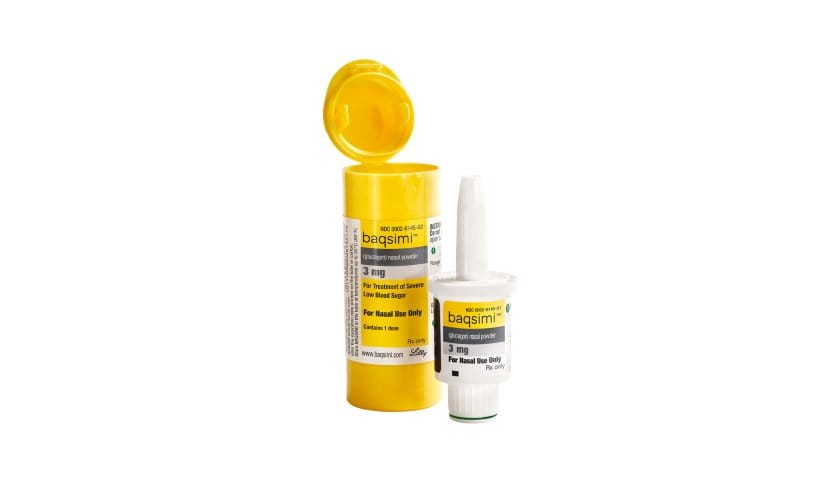
Some options discussed for low blood sugar are prescription-only. Others are over-the-counter, depending on the product type and local rules. Some Hypoglycemia rescue medicines, like glucagon, generally require a prescription. When a prescription is required, pharmacies verify it before dispensing.
Access can also depend on prior prescriptions, refill limits, and state regulations. Cash-pay options may be available, often without insurance, for eligible medications and services. Availability can also vary by pharmacy network and clinical appropriateness.
- Prescription status and any required patient information
- Form and handling needs, such as temperature limits or device setup
- Whether caregiver training or written instructions are needed
- Refill timing, transfers, and documentation rules
For visit planning, start with Prepare For Telehealth Appointment. For discussion prompts, use Questions For Telehealth Visits.
Quick tip: Keep medication names and recent glucose notes ready for intake.
Tracking Patterns and Common Triggers
Describing Hypoglycemia timing helps clinicians consider reactive or fasting causes. A clear timeline also helps separate medication-related episodes from other causes. Notes about overnight symptoms can also be useful when sleep disruption is reported.
Medication context matters for many patients with diabetes. Appetite changes and missed meals can also affect stability. Some people also review GLP-1 medicines used for diabetes or weight management during care. For background reading, see Ozempic Benefits For Diabetes and Weight Loss Injections Safety.
- Time of day and what happened just before symptoms
- Meal timing, skipped snacks, and long gaps between meals
- Activity level changes, including new workouts or heavy labor
- Illness, vomiting, or poor intake that could reduce calories
- Recent medicine changes, including dose schedule adjustments
- Whether a CGM alert or fingerstick reading suggested low values
When appropriate, clinicians may coordinate prescriptions through partner pharmacies, following state regulations.
Related Resources
Daily routines can support steadier glucose patterns. For practical lifestyle topics, read Keep Blood Sugar Stable and Top Exercises For Diabetes. For contrast with high readings, review Hyperglycemia Warning Signs.
These links support ongoing Hypoglycemia education between visits. For a symptom-and-cause summary from a major medical center, see Mayo Clinic Diabetic Low Blood Sugar.
This content is for informational purposes only and is not a substitute for professional medical advice.

Find suitable medication for Hypoglycemia


Book a telehealth visit to discuss Hypoglycemia
Find a doctor
Speciality
State

Video Visit
$69

Video Visit
$69

Video Visit
$69

Video Visit
$69

Video Visit
$69

Video Visit
$69

Speciality: Dermatology, Family Medicine, Men's Health, Urgent Care, Women's health
Speaks: English, Spanish, French, Arabic, Portuguese
Video Visit
$69

Video Visit
$69

Video Visit
$69

Video Visit
$69

Video Visit
$69

Video Visit
$69
Frequently Asked Questions
What is included on this Hypoglycemia category page?
This category page collects condition-focused resources tied to low blood sugar. It may include educational pages, telehealth preparation guides, and access notes for prescription products. Some items are for daily planning, while others focus on emergency readiness. If telehealth is used, licensed clinicians review symptoms and history during a video visit. When clinically appropriate, prescriptions may be coordinated through partner pharmacies, depending on state rules.
How is low blood sugar different from hyperglycemia?
Low blood sugar means glucose is below the usual range for that person. Hyperglycemia means glucose is higher than expected, often in diabetes. Both can cause fatigue, shakiness, and feeling unwell, so context matters. Medication timing, meals, illness, and activity can shift readings in either direction. Clinicians often look at symptom patterns and recent changes to determine the likely cause. A CGM trend view can also provide helpful context.
What details are helpful to share during a telehealth visit for low blood sugar?
Clinicians often ask for timing, severity, and what was happening before symptoms. Helpful details can include recent medication lists, diabetes history, meal timing, activity changes, and any overnight symptoms. If available, it can help to share CGM alerts or home glucose notes, without interpreting them. Also mention any episodes with confusion, fainting, or injuries. This kind of detail supports a safer conversation about possible causes and next steps.
When does low blood sugar become an emergency?
It can be urgent when symptoms are severe or rapidly worsening. Examples include confusion, inability to safely eat or drink, fainting, seizure-like activity, or signs of a serious injury from a fall. Any situation that prevents basic self-care can require emergency help. Caregivers should follow the patient’s established emergency plan when one exists. Local emergency services can provide immediate support when severe symptoms are present.
Can hypoglycemia happen without diabetes?
Yes, low blood sugar can occur in people without diabetes. Causes can include prolonged fasting, certain medications, heavy alcohol intake without food, and some medical conditions that affect hormone balance or nutrient absorption. Symptoms can overlap with anxiety, dehydration, and other issues, so evaluation matters. A clinician may review medical history, current medicines, and symptom timing to clarify likely causes. The right workup depends on the overall clinical picture.