


Heart Attack
Care Options and Resources for Heart Attack
This category page supports patients and caregivers sorting urgent heart health topics. It focuses on Heart Attack basics, recovery terms, and follow-up care questions. It also helps compare common medicines, monitoring needs, and lifestyle planning.
Video visits happen in a secure, HIPAA-compliant app.
Some needs still require emergency services or in-person testing. Use this page to learn key terms and browse related collections.
Heart Attack: What You’ll Find
This collection explains common terms used after a myocardial infarction (heart muscle damage). It also covers how clinicians describe different patterns of injury. For example, STEMI vs NSTEMI refers to two ECG patterns seen in emergencies.
Details can differ by person, including age and other conditions. Some people have a silent event, with subtle or missed warning signs. Symptom patterns can also vary between women and men.
- Plain-language definitions for common cardiac terms
- Typical testing terms, like ECG and troponin blood tests
- Medication categories often discussed after hospitalization
- Recovery planning topics, including cardiac rehabilitation
- Links to related condition collections for broader context
For broader background browsing, see the Heart Disease collection. If ongoing pumping issues are a concern, the Heart Failure collection can add context. Some patients also track device or surgery history in the Mechanical Heart Valve collection.
How to Choose
For Heart Attack follow-up, it helps to compare resources by purpose. Some materials support symptom awareness and emergency planning. Others focus on recovery logistics and medication coordination.
Questions to sort information quickly
- Is the content about emergencies, recovery, or long-term risk reduction?
- Does it clearly separate symptoms from diagnosis and testing terms?
- Does it explain when telehealth fits versus in-person evaluation?
- Does it note differences between angina and a heart event?
- Does it include plain terms for procedure options, like stents?
- Does it discuss common complications, like arrhythmias or heart failure?
What to prepare for a follow-up conversation
- Recent discharge paperwork and problem list, if available
- Current medication list, including non-prescription items
- Any home readings that were recommended, like blood pressure
- New symptoms written as dates, triggers, and duration
- Rehab or therapy plans, including missed sessions and barriers
Quick tip: Keep one updated medication list in the phone notes app.
If telehealth is part of the plan, this Virtual Doctor Visit Guide helps set expectations. For a broad view of common virtual care use-cases, see What Telehealth Can Treat.
Safety and Use Notes
Many heart-related symptoms overlap, and timing can matter. Warning signs of heart attack can include chest pressure, shortness of breath, nausea, or unusual sweating. Some people feel pain in the jaw, neck, back, or arm.
Emergency evaluation is needed when symptoms are sudden, severe, or worsening. It is also needed with fainting, new confusion, or trouble breathing. For emergency warning signs, see American Heart Association guidance.
Heart attack vs cardiac arrest is an important distinction. A heart attack is a circulation problem from blocked blood flow. Cardiac arrest is an electrical problem that stops the heart.
Why it matters: Emergency response differs for blocked arteries versus sudden collapse.
Angina vs heart attack can also be confusing. Angina is chest discomfort from reduced blood flow, often predictable. A heart event can be new, severe, or occur at rest.
Some prevention topics show up throughout this category page. These include smoking, cholesterol, blood pressure, diabetes, and stress. For risk factor basics, a neutral overview appears on CDC heart attack pages.
Access and Prescription Requirements
Many medications discussed after hospitalization require a prescription. A clinician reviews history, current symptoms, and medication interactions. Pharmacies also verify prescriptions before dispensing, based on state rules.
Some people prefer cash-pay options, often without insurance, for simplicity. Coverage rules vary widely, and plan details can change often. This category page aims to support clear browsing, not benefit guarantees.
When clinically appropriate, clinicians can send prescriptions to partner pharmacies under state regulations.
Telehealth can support non-emergency follow-ups, education, and refills where appropriate. It can also help review side effects that may affect daily routines. A practical overview is in Telehealth Services Overview.
Some recovery plans include lifestyle support alongside medications. If tobacco use is part of the history, this guide on Quit Smoking With Telehealth may help with planning.
Related Resources
Heart Attack recovery often overlaps with broader cardiovascular care. Browsing nearby condition collections can help organize questions for follow-ups. Telehealth guides can also help with visit prep and record keeping.
- Heart Disease for related diagnoses and long-term risk topics
- Heart Failure for symptoms that can follow heart injury
- Mechanical Heart Valve for surgery and device context
- Virtual Doctor Visit Guide for planning paperwork and questions
- What Telehealth Can Treat for common virtual care boundaries
- Telehealth Services Overview for practical workflow details
- Quit Smoking With Telehealth for prevention planning support
This content is for informational purposes only and is not a substitute for professional medical advice.

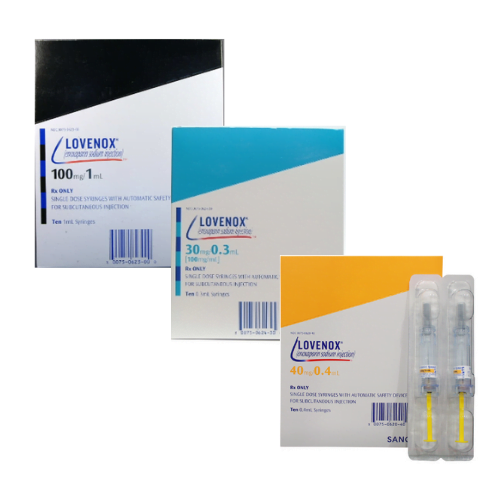
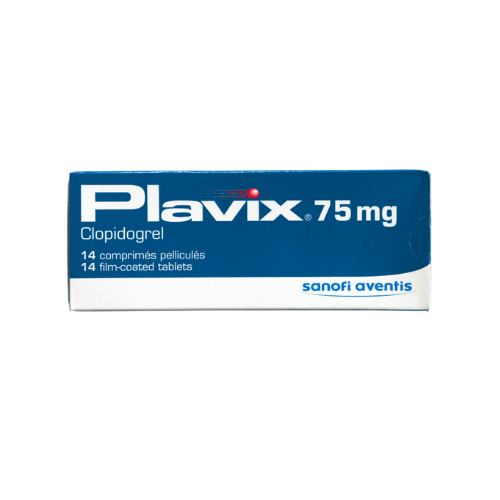
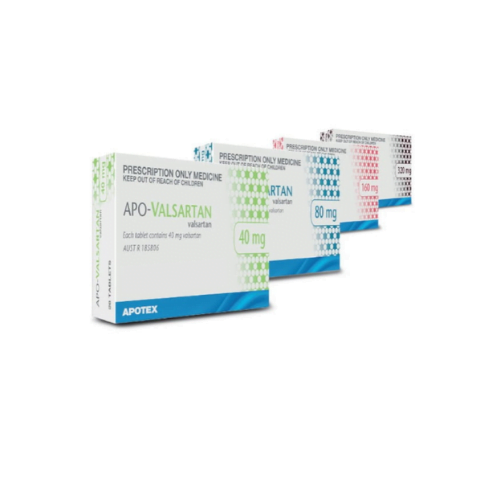
Find suitable medication for Heart Attack
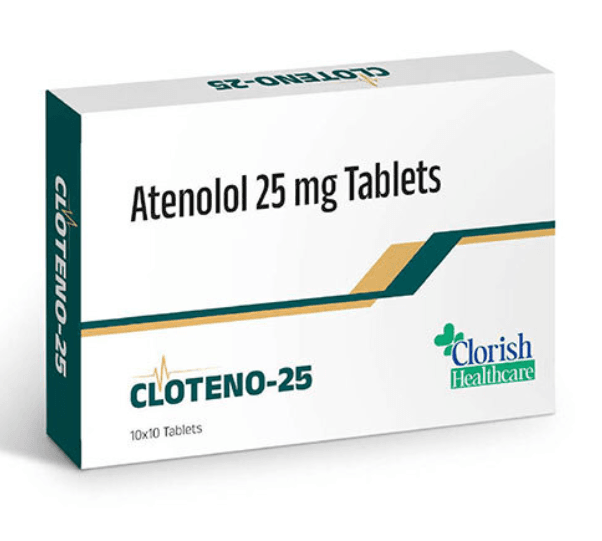
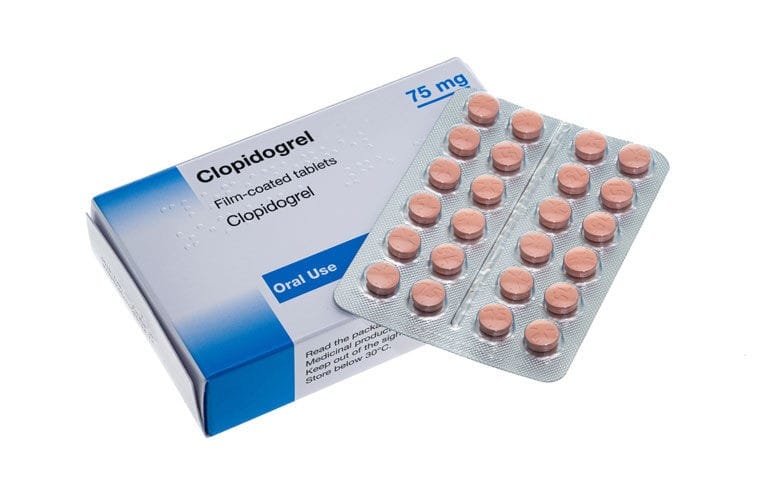
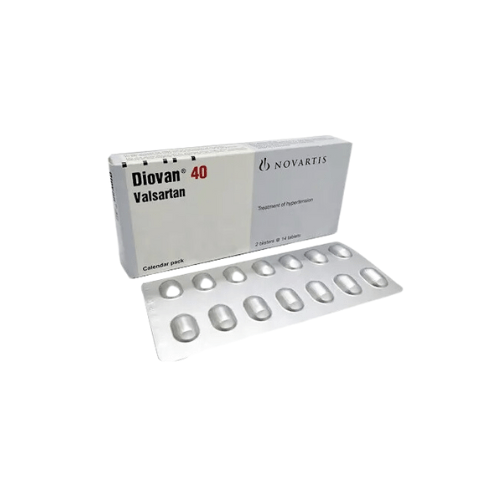
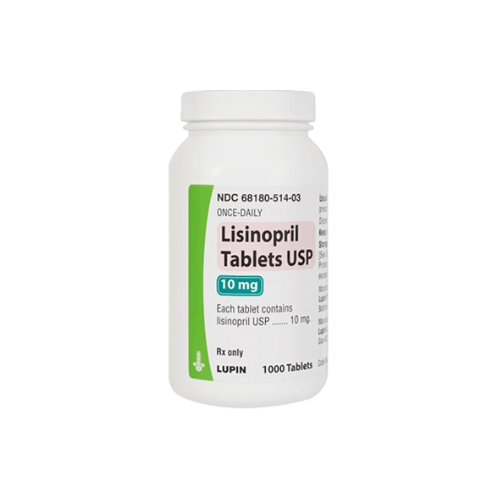



Book a telehealth visit to discuss Heart Attack
Find a doctor
Speciality
State

Video Visit
$69

Video Visit
$69

Video Visit
$69

Video Visit
$69

Video Visit
$69
Meet Dr. Priya Asija: Board-Certified Family Physician and Wound Care Specialist Committed to Comprehensive CarePriya Asija is a board-certified Family Medicine physician and Wound Care Specialist with more than 15 years of experience. Her work includes primary care, urgent care-style visits, telemedicine, and advanced wound management. She holds a Wound Care Certification (WCC) through NAWCO, is credentialed in hyperbarics, and maintains BLS and ACLS certifications. She is licensed to practice in Texas, Florida, Pennsylvania, Wisconsin, Alabama, Arizona and Illinois.Dedicated to delivering high-quality, patient-centered care, Dr. Asija treats a wide range of acute and chronic medical conditions, provides preventive services, and specializes in wound care and hyperbaric medicine. She is the owner of Brookfield Family Practice, division of SAAK Health Care, partner at SAAK Wound Care Clinic and Hyperbarics, and serves as Medical Director for Wisconsin Wound Pros. Her services include primary care visits, urgent care management, wound evaluations, hyperbaric therapy oversight, telemedicine consultations, and prescription refill appointments when medically appropriate to support continuity of care.Fluent in English, Dr. Asija combines strong clinical expertise with compassionate communication. She collaborates closely with patients and interdisciplinary teams to promote healing, preventive health, and long-term wellness, ensuring accessible and comprehensive care across the states in which she practices.
Read Bio
Speciality: Family Medicine
Speaks: English
Video Visit
$69

Video Visit
$69

Video Visit
$69

Video Visit
$69

Video Visit
$69

Video Visit
$69
Frequently Asked Questions
What does this Heart Attack category page include?
This browse page gathers common terms, planning topics, and related collections. It may mention testing words, procedure names, and medication categories used in hospital care. It also links to nearby condition collections for added context. The goal is to make follow-up conversations easier to organize. It is not a diagnostic tool. Clinical decisions and emergency evaluation depend on symptoms and timing.
When is a suspected heart attack an emergency?
Emergency care is needed for sudden chest pressure, shortness of breath, or fainting. It is also needed for symptoms that are severe, new, or worsening. Some people have nausea, sweating, or pain in the jaw, neck, back, or arm. If cardiac arrest is suspected, emergency services are needed immediately. This page is educational and cannot confirm what is happening in real time.
Can telehealth help after a heart attack?
Telehealth can be useful for non-emergency follow-up and care coordination. Common topics include medication lists, side effects that affect daily activities, and recovery planning. It can also help organize questions before in-person visits or cardiac rehabilitation. Telehealth is not a replacement for emergency evaluation. Clinicians decide what is appropriate based on history, symptoms, and local requirements.
What information helps a clinician review heart attack recovery?
Helpful records include hospital discharge paperwork and an updated medication list. Notes about new symptoms can also help, especially dates and triggers. Some people track home readings like blood pressure or heart rate, if requested. Rehab schedules, missed sessions, and barriers are also useful context. Allergy lists and prior procedures matter too. Sharing clear, organized information supports safer review of drug interactions and follow-up needs.
How are prescriptions verified and filled on platforms like Medispress?
Prescription-only medications require review by a licensed clinician. If a prescription is issued, pharmacies typically verify details before dispensing. Verification can include patient identifiers, prescriber credentials, and legal requirements for the medication. Some platforms coordinate fulfillment through partner pharmacies, depending on state regulations. Cash-pay options may be available, often without insurance, but coverage and eligibility vary by plan and pharmacy policies.