


Hypertension
Care Options for Hypertension
Hypertension is the medical term for long-term high blood pressure. It often has few symptoms, even when readings rise. This category page brings together practical resources for patients and caregivers. It focuses on common terms, monitoring basics, and how care is often organized.
Browse condition-aligned information, plus related reading on symptoms and complications. Use this page to compare what different resources cover. That includes diagnosis terms, lifestyle approaches, and medication discussions. It also helps clarify when a prescription is required.
Hypertension What You’ll Find
This collection centers on everyday questions about blood pressure. It also supports browsing across related conditions and symptoms. Many people start here after a high reading at a clinic. Others start here after home readings look higher than expected.
Several pages explain how clinicians describe blood pressure categories and risk factors. Others cover lifestyle changes that may support healthier readings over time. For medication discussions, start with Lifestyle And Medication Options. If metabolic health is part of the picture, browse Reverse Type 2 Diabetes and 7 Day Prediabetes Meal Plan.
This page is built for comparison and orientation. It does not replace a clinician’s assessment. It can help people organize questions and track what to review next.
- Plain-language explanations of blood pressure terms and categories
- Overviews of common lifestyle approaches, including lower sodium eating and DASH-style patterns
- Notes on monitoring choices, including home cuffs and ambulatory monitoring
- Related reads that connect symptoms to possible causes
- Administrative guidance on prescriptions and verification
Medispress offers video visits with licensed U.S. clinicians.
How to Choose
Different resources answer different questions. Some focus on causes and risk factors. Others focus on monitoring and how diagnosis is confirmed. When browsing, it helps to decide what problem needs clarity first.
Make sense of readings and terms
- Check whether numbers come from home, clinic, or ambulatory monitoring
- Note the cuff type and cuff size used for the reading
- Look for language about repeated readings versus a single elevated value
- Watch for terms like white coat effect and masked high readings
- Separate symptoms from readings, since they do not always match
Pick monitoring and tracking tools
- Decide whether a home blood pressure monitor fits the routine and budget
- Look for guidance on logging dates, times, and circumstances
- Confirm that resources explain technique at a high level, without coaching dosing
- Prefer tools that help spot trends, not just one-day changes
Quick tip: Keep a simple log that includes cuff type and arm used.
For care planning, the most useful pages explain questions to ask. They also outline what information a clinician will want to review. Bringing a concise summary can streamline a Hypertension visit and reduce back-and-forth.
Safety and Use Notes
High blood pressure can affect the heart, brain, kidneys, and eyes. Hypertension complications can include stroke, heart disease, and vision changes. Symptoms like headache or dizziness can have many causes. Resources should avoid assuming one cause from one symptom.
Many U.S. guidelines use category labels based on systolic and diastolic values. These ranges are general reference points, not personal targets. For an authoritative overview, see blood pressure categories from the American Heart Association.
| Category | Typical reference range |
|---|---|
| Normal | Below 120/80 mmHg |
| Elevated | 120–129 and below 80 mmHg |
| Stage 1 | 130–139 or 80–89 mmHg |
| Stage 2 | 140 or higher or 90 or higher mmHg |
| Crisis range | Higher than 180 and/or higher than 120 mmHg |
Some situations need prompt evaluation, especially when symptoms feel severe. Chest pressure, shortness of breath, fainting, or sudden weakness can be emergencies. For symptom context, review Relieve Chest Pain Tips, Dizziness Relief Methods, and Causes Of Blurred Vision. If fatigue is a concern, see Excessive Daytime Sleepiness.
Why it matters: Severe symptoms with very high readings may require emergency care.
Some people have secondary causes of high readings, like kidney or hormone disorders. Others have readings that stay high on several medications, sometimes called resistant cases. Pregnancy adds special considerations, including gestational high blood pressure. For lung-related high pressure concerns, compare symptom patterns in Serious Pulmonary Warning Signs.
Access and Prescription Requirements
Access needs vary by the type of item or service. Blood pressure cuffs and some monitoring supplies are often non-prescription. Many medications used for long-term control require a prescription. Some Hypertension medicines also have interaction or monitoring considerations, based on a person’s history.
Medications that require a prescription are dispensed by licensed pharmacies. Pharmacies may also require prescription verification and identity checks. That process can differ by state and by medication class. Some people choose cash-pay options, often without insurance, when it fits their needs.
Visits use a secure, HIPAA-compliant app for documentation.
- Have a current medication list, including supplements, ready for review
- Bring recent readings from home and clinic, if available
- Note any recent changes like illness, sleep loss, or new medications
- Ask how follow-up is handled when readings stay inconsistent
- Confirm whether partner pharmacies can be used in a given state
When prescriptions are considered, clinicians review risks and appropriateness first. If a medication is not clinically appropriate, other care paths may be discussed. Avoid stopping or changing prescription therapy without clinician guidance.
Related Resources
This collection also helps connect blood pressure topics with nearby concerns. Eye-related pressure discussions can differ from systemic readings, so compare Ocular High Eye Pressure for context. Lung-related pressure issues also have different symptoms and workups, so browse Pulmonary High Blood Pressure alongside the general materials.
Hypertension management often blends monitoring, lifestyle planning, and medication review. For public health basics, review CDC high blood pressure guidance in CDC Blood Pressure Basics. Using consistent terms can make clinician conversations clearer and less stressful.
When appropriate, prescriptions may be coordinated through partner pharmacies, based on state regulations.
- Browse symptom guides when a complaint seems unrelated to blood pressure
- Compare condition pages to understand why names can sound similar
- Save key links to share with caregivers across appointments
This content is for informational purposes only and is not a substitute for professional medical advice.

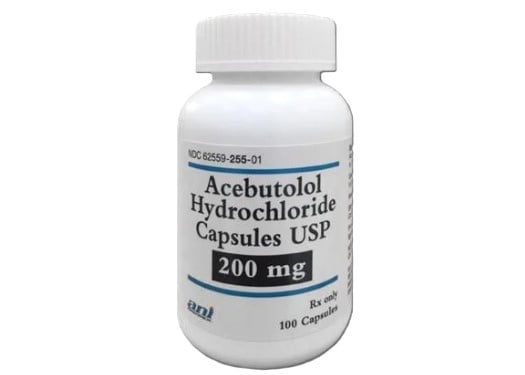
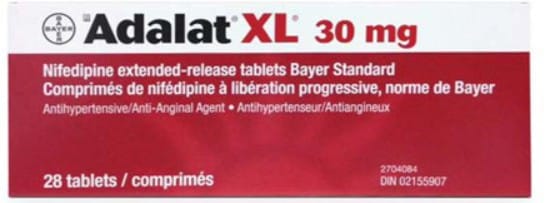
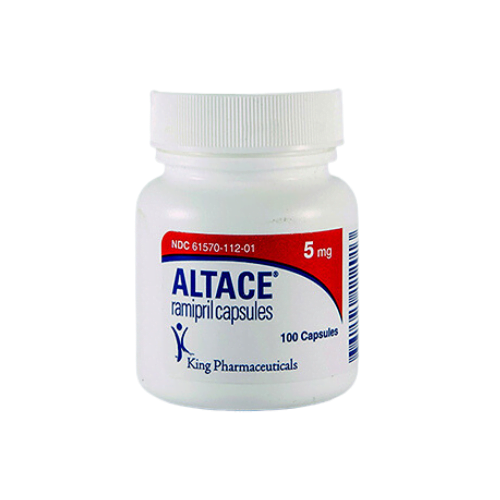
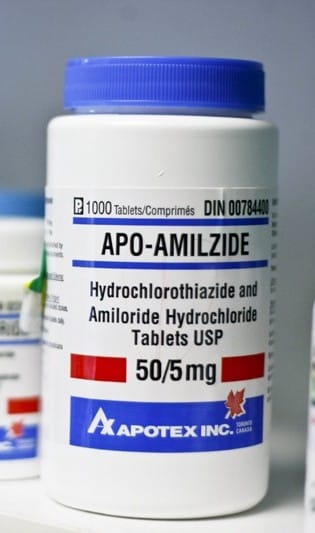
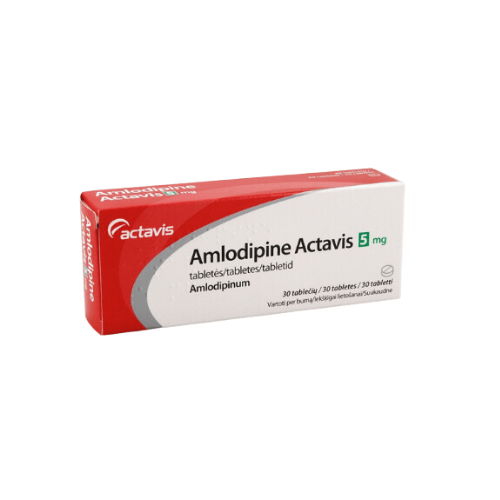
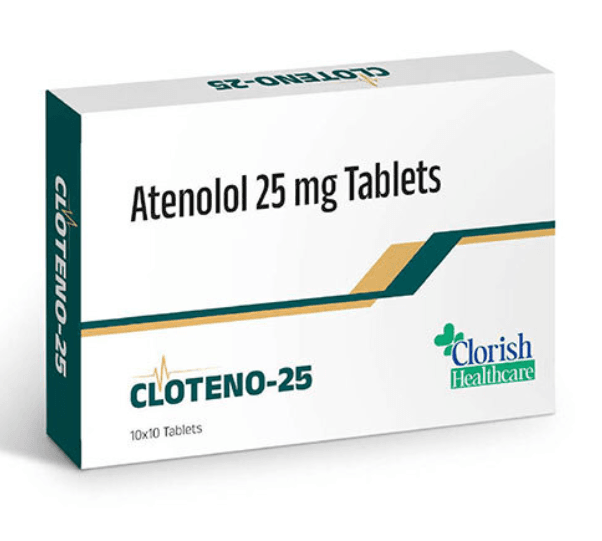
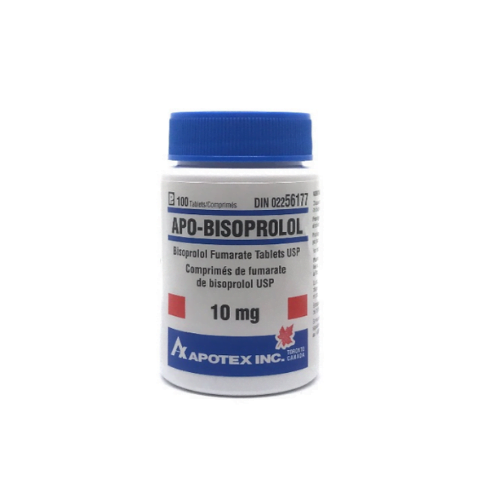
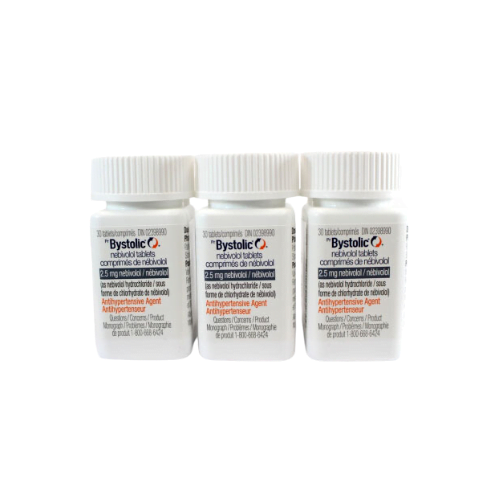
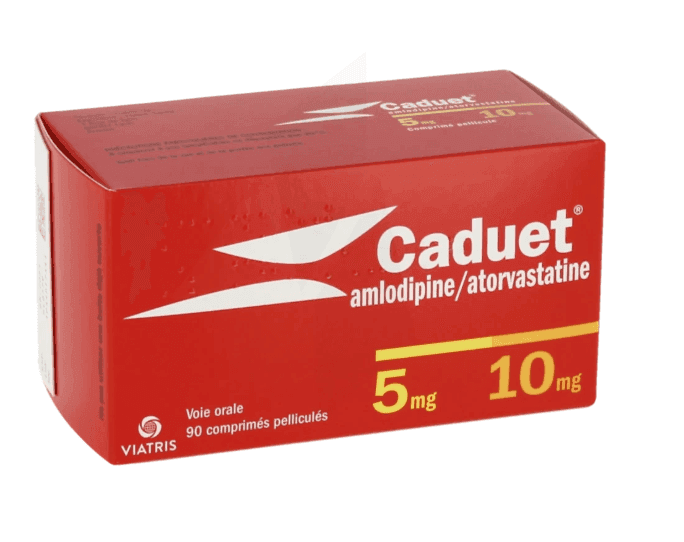
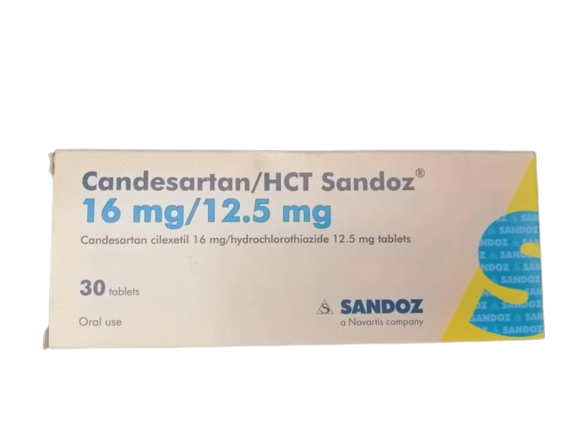
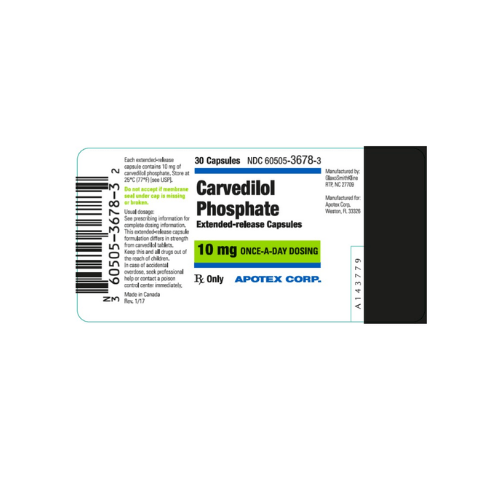
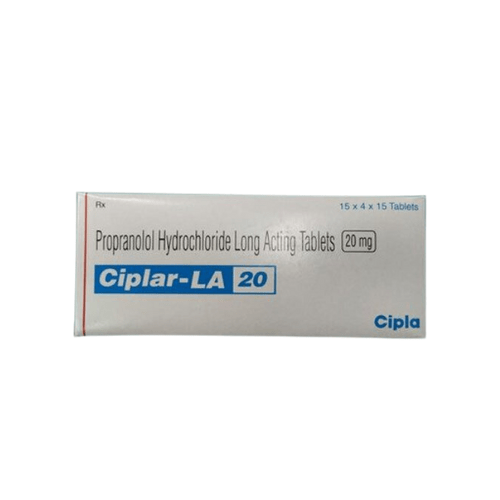
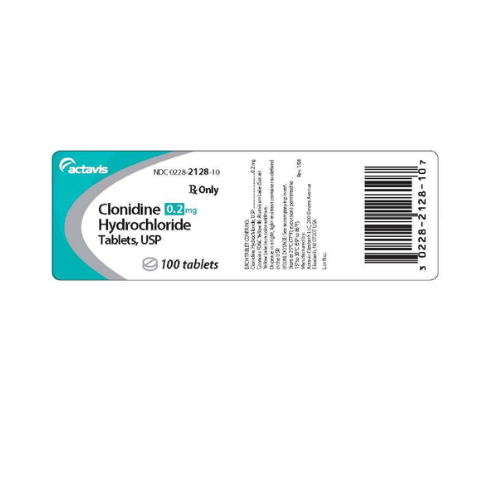
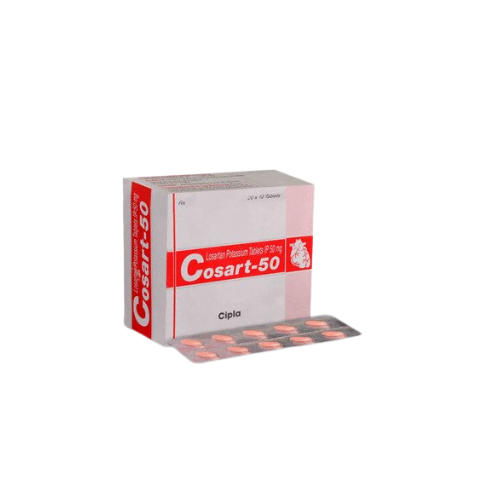
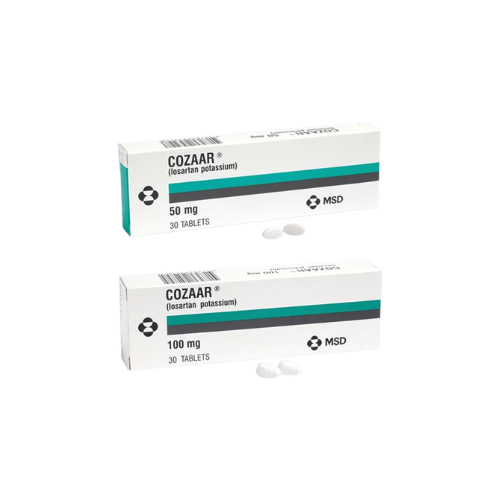
Find suitable medication for Hypertension


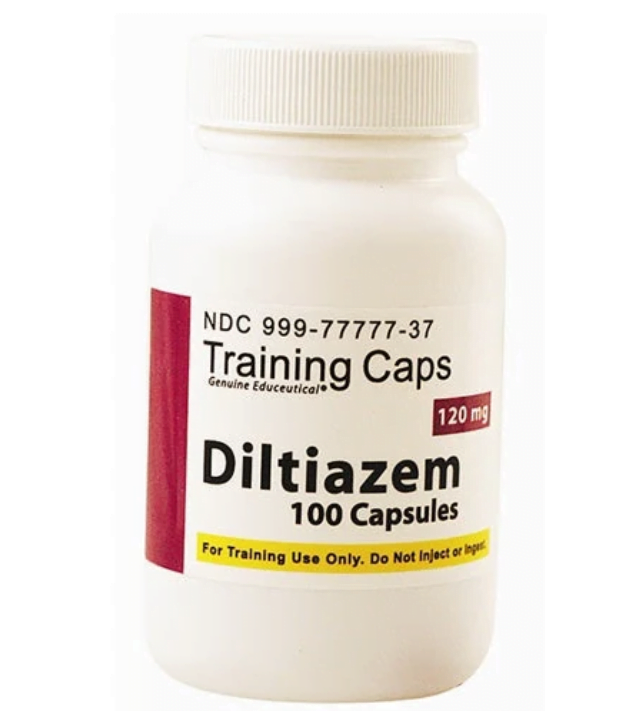
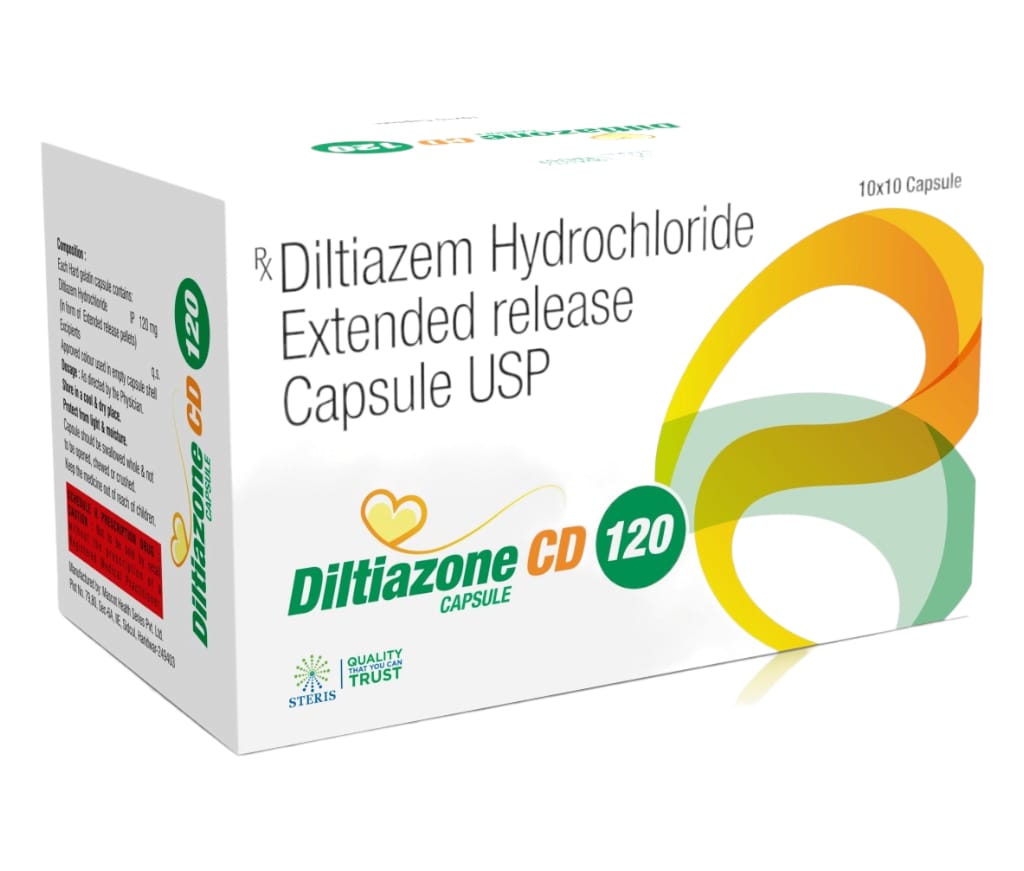
Book a telehealth visit to discuss Hypertension
Find a doctor
Speciality
State

Video Visit
$69

Video Visit
$69

Video Visit
$69

Video Visit
$69

Video Visit
$69

Video Visit
$69

Speciality: Dermatology, Family Medicine, Men's Health, Urgent Care, Women's health
Speaks: English, Spanish, French, Arabic, Portuguese
Video Visit
$69

Video Visit
$69

Video Visit
$69

Video Visit
$69

Video Visit
$69

Video Visit
$69
Frequently Asked Questions
What is the difference between high blood pressure and Hypertension?
High blood pressure describes a higher-than-usual reading. Hypertension is a diagnosis based on repeated readings over time. Clinicians also consider where readings come from, like home or clinic. They may evaluate for factors like stress, medications, or underlying conditions. Some people show higher clinic readings only, sometimes called the white coat effect. A clinician can explain which pattern fits the full picture.
How do I use this category page to compare options?
Start by choosing the kind of help needed: terms, monitoring, symptoms, or medications. Then open a few related pages and compare what each one covers. Look for clear definitions, not just lists of risks. Use condition pages to browse adjacent topics, like eye or lung pressure problems. Save links that match current questions, so they are easy to revisit later.
What is a normal blood pressure range, and what do stages mean?
Guidelines commonly label blood pressure ranges to support consistent communication. Many U.S. sources describe normal as below 120/80 mmHg. They also describe elevated, stage 1, and stage 2 categories at higher thresholds. These labels are not personal treatment targets for every person. Clinicians set goals based on age, pregnancy status, and other conditions. A log of repeated readings is usually more useful than one number.
When should a high blood pressure reading be treated as urgent?
A very high reading combined with severe symptoms can be urgent. Examples include chest pain, severe shortness of breath, confusion, fainting, or sudden weakness. Many references call readings above 180 and/or 120 mmHg a crisis range. Even then, context matters, including symptoms and measurement technique. If symptoms feel severe or sudden, emergency services may be needed. A clinician can help interpret non-urgent readings and next steps.
What information is helpful to have ready for a telehealth visit about blood pressure?
It helps to have recent home and clinic readings, including dates and times. A photo of the blood pressure device label can clarify the model and cuff size. A current medication list matters, including over-the-counter products and supplements. Notes on pregnancy, kidney disease, diabetes, and sleep issues can also help. Clinicians decide what is clinically appropriate based on history and symptoms. Having the details ready can make the visit more efficient.