


Hyperkalemia
Care Options for Hyperkalemia
Hyperkalemia means a higher-than-normal potassium level in the bloodstream overall. Potassium helps nerves and muscles work, including the heart smoothly. This category page supports patients and caregivers who need clear information. It brings together medication pages and practical explanations of common terms. It also helps people prepare questions for a clinical conversation.
Common hyperkalemia causes include renal failure hyperkalemia and certain medicines. Examples include ACE inhibitors hyperkalemia and some potassium-containing supplements. People may notice weakness, tingling, or no symptoms at all. Clinicians may also notice hyperkalemia ECG changes, including peaked T waves. Because rhythm problems can happen, clinicians treat some cases as urgent.
Medispress offers flat-fee video visits with licensed U.S. clinicians. This page focuses on browsing and education, not self-treatment decisions.
Hyperkalemia What You’ll Find
This browse page collects resources that relate to high potassium and its risks. It highlights key ideas like serum potassium levels and cardiac arrhythmia risk hyperkalemia. It also explains terms that can confuse people at first glance. Examples include pseudohyperkalemia (a falsely high lab result) and hyperkalemia vs hypokalemia.
Medication pages can help compare options that clinicians may consider. Some pages cover potassium binders and related classes used in ongoing care. Others may address medicines that can raise potassium in certain settings. Details vary by drug, so each page focuses on basics and safety context.
- Plain-language definitions for common clinical terms and abbreviations
- Context on hyperkalemia diagnosis, including how clinicians confirm results
- High-level hyperkalemia treatment concepts, without step-by-step instructions
- Medication overviews for potassium binders and other relevant therapies
- Administrative notes on prescriptions, verification, and pharmacy coordination
How to Choose
Different resources answer different questions, so it helps to compare purpose first. Some pages focus on symptoms and triggers, while others focus on medications. When reviewing Hyperkalemia materials, look for clear definitions and balanced safety notes. Avoid sources that promise fast fixes or skip emergency warnings.
Quick tip: Keep an updated medication list ready for scheduling and intake.
Information to Compare
- What the page covers: causes, diagnosis, ECG findings, or medication basics
- Whether the resource discusses renal disease, diabetes care, or adrenal insufficiency
- Mentions of common contributors, such as ACE inhibitors or NSAIDs
- Whether it addresses pediatric hyperkalemia and age-specific monitoring needs
- Clear explanation of pseudohyperkalemia and repeat-check considerations
- Diet content framed as guidance, such as low potassium diet guidance
Questions to Bring to a Visit
- Which recent results matter most, including serum potassium levels trends
- Whether the pattern suggests medication effects, kidney issues, or cell breakdown
- How clinicians interpret ECG notes, including peaked T waves terminology
- Which options fit the situation: monitoring, medication changes, or urgent evaluation
- Whether potassium binders are appropriate, and what follow-up is typical
Safety and Use Notes
High potassium can affect the heart’s electrical system in serious cases. Clinicians often watch for hyperkalemia ECG changes and rhythm instability. Emergency clinicians may use hyperkalemia emergency management measures when needed. Examples can include calcium gluconate for hyperkalemia, insulin and dextrose hyperkalemia, and beta agonists hyperkalemia. Dialysis indications hyperkalemia depend on the whole clinical picture and kidney function.
Why it matters: Severe potassium shifts can trigger dangerous rhythm changes quickly.
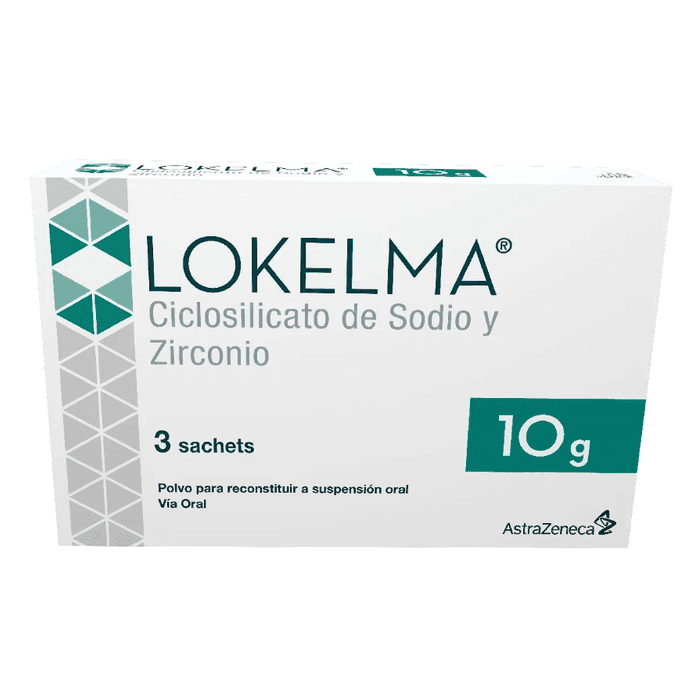
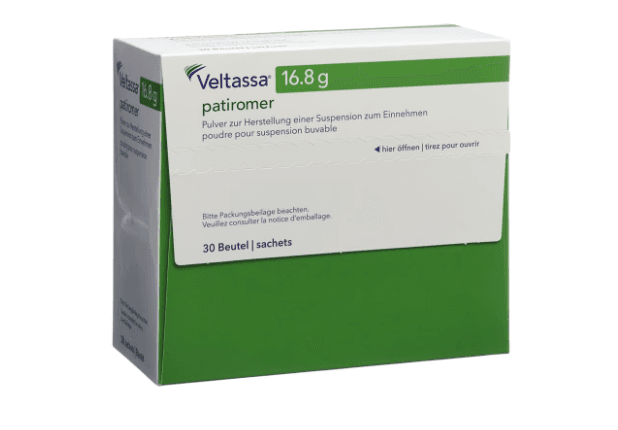
For longer-term control, clinicians may consider potassium binders when appropriate. Options can include patiromer and sodium zirconium cyclosilicate, depending on context. Some settings may still reference sodium polystyrene sulfonate, with careful risk review. You can also review a medication overview like Veltassa Sachet for basic context. For an official reference, see FDA prescribing information for patiromer.
Visits run in a secure app built for HIPAA privacy. Clinicians decide what is clinically appropriate for each situation.
Access and Prescription Requirements
Some therapies discussed in hyperkalemia management guidelines require a prescription. Licensed pharmacies dispense prescription products and follow verification requirements. That process can include identity checks and prescription validation steps. Cash-pay options may be available, including options without insurance in many cases.
Telehealth can support education, medication review, and follow-up planning. Clinicians may ask about kidney history, recent illnesses, and current medications. They may also ask about supplements and salt substitutes that contain potassium. If records exist, clinicians may review recent lab results and ECG notes. For background reading, see MedlinePlus potassium blood test overview.
When appropriate, clinicians can send prescriptions to partner pharmacies, per state rules. Availability can vary by medication and location rules.
Related Resources
Some medication pages help clarify which products contain potassium salts. That context matters when clinicians evaluate unexpected lab changes or medication interactions. For example, K-Citra Potassium Citrate can be relevant when reviewing a full medication list. This collection also supports reviewing common triggers like rhabdomyolysis hyperkalemia and medication effects.
People often want food context, especially high potassium foods to avoid lists. Those lists can vary by portion size and preparation method. Clinicians or dietitians may tailor advice for kidney disease and other conditions. For a kidney-focused overview, see National Kidney Foundation hyperkalemia information.
This content is for informational purposes only and is not a substitute for professional medical advice.

Find suitable medication for Hyperkalemia
Book a telehealth visit to discuss Hyperkalemia
Find a doctor
Speciality
State

Video Visit
$69

Video Visit
$69

Video Visit
$69

Video Visit
$69

Video Visit
$69
Meet Dr. Priya Asija: Board-Certified Family Physician and Wound Care Specialist Committed to Comprehensive CarePriya Asija is a board-certified Family Medicine physician and Wound Care Specialist with more than 15 years of experience. Her work includes primary care, urgent care-style visits, telemedicine, and advanced wound management. She holds a Wound Care Certification (WCC) through NAWCO, is credentialed in hyperbarics, and maintains BLS and ACLS certifications. She is licensed to practice in Texas, Florida, Pennsylvania, Wisconsin, Alabama, Arizona and Illinois.Dedicated to delivering high-quality, patient-centered care, Dr. Asija treats a wide range of acute and chronic medical conditions, provides preventive services, and specializes in wound care and hyperbaric medicine. She is the owner of Brookfield Family Practice, division of SAAK Health Care, partner at SAAK Wound Care Clinic and Hyperbarics, and serves as Medical Director for Wisconsin Wound Pros. Her services include primary care visits, urgent care management, wound evaluations, hyperbaric therapy oversight, telemedicine consultations, and prescription refill appointments when medically appropriate to support continuity of care.Fluent in English, Dr. Asija combines strong clinical expertise with compassionate communication. She collaborates closely with patients and interdisciplinary teams to promote healing, preventive health, and long-term wellness, ensuring accessible and comprehensive care across the states in which she practices.
Read Bio
Speciality: Family Medicine
Speaks: English
Video Visit
$69

Video Visit
$69

Video Visit
$69

Video Visit
$69

Video Visit
$69

Video Visit
$69
Frequently Asked Questions
What will I find on this Hyperkalemia category page?
This category page gathers condition-aligned resources in one place. It links out to medication overviews and plain-language definitions of key terms. It also summarizes topics people often research, like symptoms and common causes. Some sections explain how clinicians describe ECG findings and lab results. The goal is easier browsing and better questions for a visit. It does not replace care or provide personal treatment instructions.
How should I use medication pages when comparing options?
Medication pages work best as a comparison tool, not a decision tool. They can clarify what a drug is, why clinicians use it, and key safety notes. They can also flag common interaction themes, like kidney function concerns. Use them to build a clean list of questions for a clinician. If a therapy requires a prescription, a licensed clinician must evaluate fit first. Pharmacy dispensing rules can vary by state.
Can telehealth help with concerns about high potassium?
Telehealth can help with education and medication reconciliation. A clinician can review symptoms, medical history, and current prescriptions. They may also discuss recent lab trends if results are available. Telehealth cannot replace emergency evaluation for severe symptoms or unstable heart rhythms. Medispress visits use video appointments with licensed U.S. clinicians. When clinically appropriate, clinicians may coordinate prescriptions through partner pharmacies, following state regulations.
When is hyperkalemia considered an emergency?
Clinicians treat some cases as urgent because heart rhythm changes can occur. Risk depends on the potassium level, symptom pattern, and ECG findings. Some people have few symptoms, even with high readings. Others can develop weakness, palpitations, or fainting concerns. Emergency departments may use rapid-acting measures and continuous monitoring when needed. If someone has severe symptoms or sudden worsening, local emergency services are appropriate. A clinician can explain what warning signs matter most.
What information is helpful to have ready for a visit?
A current medication list helps clinicians spot common contributors quickly. Include prescriptions, over-the-counter products, and supplements. Add salt substitutes, since some contain potassium. Note any kidney disease history, diabetes care, or recent dehydration illness. If lab reports exist, bring dates and the listed potassium value. ECG summaries can also help, when they are available. This preparation supports a focused conversation and fewer back-and-forth messages later.