


Hodgkin Lymphoma
Care Options for Hodgkin Lymphoma
This category page brings together practical information on Hodgkin Lymphoma for patients and caregivers. It focuses on common terms, care pathways, and what to expect next. It also helps with browsing related condition collections in one place.
Details on this page are meant to support planning and organization. They can help when reading a pathology report, tracking symptoms, or preparing questions. Clinical decisions still belong with an oncology team that knows the case.
Visits happen by video with licensed U.S. clinicians.
Hodgkin Lymphoma What You’ll Find
This collection covers the basics people often look up first. It explains how this diagnosis is described in plain language and clinical language. It also highlights where key facts usually appear, like in a pathology report.
Many summaries mention symptoms such as enlarged lymph nodes, fatigue, fevers, and night sweats. Some resources also cover risk factors and possible links to EBV (Epstein-Barr virus). When reading about diagnosis, watch for terms like Reed-Sternberg cells (a hallmark lymphoma cell type).
Staging language can feel technical. A care team may use imaging such as PET-CT (a combined imaging scan). Notes may also mention “B symptoms,” bulky disease, and involved lymph node regions. For broader navigation, browse the Lymphoma Collection or the Blood Cancers Leukemia Lymphoma collection.
- Plain-language explanations of common medical terms
- Symptom patterns that often lead to evaluation
- Staging and subtype terms seen in oncology notes
- Treatment vocabulary, without dosing or protocols
- Follow-up care topics, including late effects
- Links to related lymphoma condition collections
How to Choose
Use this page to compare resources by purpose. Some focus on understanding stages and prognosis language. Others focus on treatment terms, relapse and remission definitions, or follow-up care planning. For Hodgkin Lymphoma, the most helpful comparisons start with staging and subtype clarity.
Know the Basics of Staging
Staging usually describes where disease is found in the body. It may be written as stage I through IV. Notes may also include symptom flags, like “A” or “B.” Imaging and biopsy results guide these labels, and the care plan can depend on them.
- Confirm the exact subtype in the pathology summary
- Check whether notes mention classical versus other subtypes
- Look for PET-CT wording and which areas were involved
- Track any “B symptoms” mentioned across visit notes
- List current medicines, supplements, and known allergies
- Flag past reactions to chemotherapy or radiation therapy
- Note fertility preservation discussions, when they appear
- Compare similar lymphoma collections for terminology differences
Use Related Lymphoma Pages for Context
Some terms overlap across lymphoma types. Comparing nearby collections can help when a report is unclear. These pages can be useful reference points: Follicular Lymphoma, Mantle Cell Lymphoma, Marginal Zone Lymphoma, and Small Lymphocytic Lymphoma.
Quick tip: Keep a one-page medication list ready for appointments.
Safety and Use Notes
Cancer care discussions often include strong medicines and complex schedules. Hodgkin Lymphoma treatment often combines several approaches over time. Plans may include chemotherapy, radiation therapy, immunotherapy, or stem cell transplant. The specific mix depends on stage, subtype, and prior response.
Many people see regimen names in visit summaries. ABVD (a common multi-drug chemotherapy regimen) and BEACOPP (an intensive chemotherapy regimen) are two examples. These labels describe structured protocols, not single drugs. Side effects can include fatigue, nausea, infection risk, mouth sores, neuropathy, and skin changes.
Supportive medicines may be used to help manage symptoms or side effects. These can include antiemetics (nausea medicines), pain medicines, or treatments for infections. For non-cancer skin discomfort topics, see Skin Irritation Treatments.
- Share a full medication and supplement list before any new prescription
- Ask how to handle missed doses for non-cancer supportive medicines
- Check for interaction warnings, especially with anti-infective drugs
- Clarify fertility and pregnancy considerations before starting new therapies
- Discuss vaccines and infection prevention with the treating oncology team
- Track new symptoms and timing to support accurate documentation
- Keep follow-up plans, including scans and labs, in one calendar
Why it matters: Clear records help clinicians spot patterns and prevent avoidable medication errors.
Appointments run in a secure, HIPAA-compliant app.
Access and Prescription Requirements
This browse page also supports care logistics and documentation. Hodgkin Lymphoma care can involve multiple prescribers and pharmacies. That makes prescription verification and accurate records especially important. Some medicines require a valid prescription and licensed dispensing, based on the product and state rules.
For supportive medications, access may vary by clinical context. Some people use cash-pay options, often without insurance, when appropriate. Others use insurance or oncology clinic dispensing. This page stays neutral on coverage and focuses on the typical administrative steps.
- Have a current medication list, including over-the-counter items
- Keep allergy details and past drug reactions easy to share
- Bring recent oncology visit summaries or discharge instructions
- Note prior treatments and any documented side effects
- Confirm the prescriber’s information for prescription coordination
- Use consistent contact details to avoid verification delays
- Save pharmacy preference details for future refills or transfers
When appropriate, prescriptions can route through partner pharmacies, under state rules.
Related Resources
For broader context beyond Hodgkin Lymphoma, explore nearby lymphoma categories. Comparing terminology can also clarify how this diagnosis differs from Non-Hodgkin Lymphoma. Care teams may also discuss pediatric versus adult pathways, relapse versus remission wording, and long-term follow-up for late effects.
For national, regularly updated references, review NCI Adult Hodgkin Treatment PDQ. For a plain-language overview, see American Cancer Society Hodgkin Lymphoma.
This content is for informational purposes only and is not a substitute for professional medical advice.

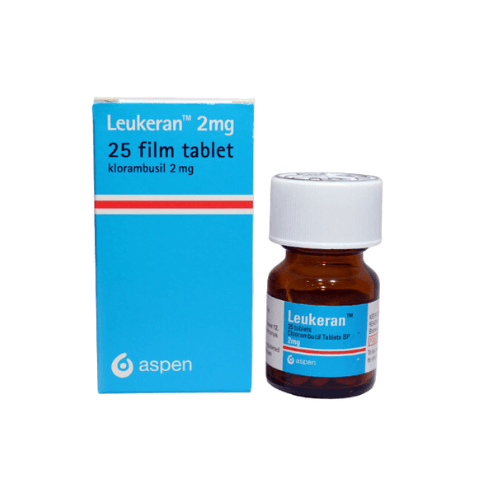
Find suitable medication for Hodgkin Lymphoma
Book a telehealth visit to discuss Hodgkin Lymphoma
Find a doctor
Speciality
State

Video Visit
$69

Video Visit
$69

Video Visit
$69

Video Visit
$69

Video Visit
$69

Video Visit
$69

Speciality: Dermatology, Family Medicine, Men's Health, Urgent Care, Women's health
Speaks: English, Spanish, French, Arabic, Portuguese
Video Visit
$69

Video Visit
$69

Video Visit
$69

Video Visit
$69

Video Visit
$69

Video Visit
$69
Frequently Asked Questions
What information is included on this category page?
This category page pulls together practical, non-prescriptive information and related browsing paths. It highlights common terms seen in diagnosis and staging notes. It also explains treatment vocabulary, such as regimen names and follow-up phrases. Links to related lymphoma condition collections are included for context. The goal is smoother navigation and better understanding of common documentation, not treatment selection.
What does staging mean, and where is it usually documented?
Staging describes how far disease is found in the body at diagnosis. It is often written as stage I through IV. Clinicians may also add modifiers, such as “A” or “B,” based on symptom patterns. Staging details usually appear in oncology notes, imaging summaries, and pathology reports. Many teams use PET-CT findings and biopsy results to assign stage. The treating oncology team confirms staging for each person.
What is the difference between classical and nodular lymphocyte predominant types?
These are two main subtypes that differ in pathology features and typical behavior. Classical disease is more common and is linked to Reed-Sternberg cells on pathology review. Nodular lymphocyte predominant type is less common and has different cell markers and patterns. The pathology report usually names the subtype and may list immunohistochemistry results. Subtype matters because it can affect how clinicians describe treatment approaches and follow-up needs.
How can Medispress telehealth fit alongside oncology care?
Medispress telehealth visits are conducted by video with licensed U.S. clinicians. Visits take place in a secure, HIPAA-compliant app. These clinicians can help review medication lists, side effect concerns, and documentation for supportive care needs. They do not replace an oncology team managing cancer treatment decisions. When clinically appropriate, providers may coordinate prescription options through partner pharmacies, following state-specific rules.
When is urgent medical evaluation generally recommended during treatment?
Urgent evaluation is commonly advised for severe or fast-worsening symptoms. Examples include trouble breathing, chest pain, uncontrolled bleeding, or fainting. High fever, confusion, severe dehydration, or signs of serious infection can also need prompt care. New neurologic symptoms, severe allergic reactions, or inability to keep fluids down may be urgent as well. People in active cancer therapy may have higher infection risks, so clinicians often recommend lower thresholds for evaluation.