


High Triglycerides
Care Options for High Triglycerides
High Triglycerides can show up on routine bloodwork and raise questions fast. This category page pulls together practical resources and care navigation in one place. It helps patients and caregivers compare related lipid topics, common terms, and next-step questions. Some people notice no symptoms, even with higher readings. Others see related issues like diabetes or metabolic syndrome. The goal here is clarity, not self-treatment.
High Triglycerides: What You’ll Find
Triglycerides are a type of fat in the bloodstream. The body uses them for energy storage between meals. After eating, triglycerides can rise for several hours. That is why lab timing often affects results.
This collection focuses on plain-language explanations and browsing pathways. It also connects to nearby topics like cholesterol and cardiovascular risk. Many people want to understand triglycerides and cholesterol together. LDL and HDL relate differently than triglycerides do. Clinicians often review patterns across a full lipid panel.
Here is a simple triglyceride levels chart used by many labs. Ranges can vary by lab and clinical context.
| Category | Triglycerides (mg/dL) |
|---|---|
| Normal | Below 150 |
| Borderline high | 150 to 199 |
| High | 200 to 499 |
| Very high | 500 or higher |
For a neutral overview of ranges, see this American Heart Association reference: Triglycerides information and general ranges.
Visits run through a secure, HIPAA-compliant Medispress app.
What is typically included across resources on this page:
- Definitions like what are triglycerides and why levels change
- Common high triglycerides causes, including alcohol, diabetes, and hypothyroidism
- Context for high triglycerides symptoms, including when none occur
- Terms like remnant cholesterol (cholesterol carried in triglyceride-rich particles)
- Related browsing for cholesterol topics and metabolic health
How to Choose
When browsing High Triglycerides resources, start with the question behind the number. Some people want lab interpretation basics. Others need help organizing history for a clinician visit. The best path depends on what information is missing.
Understanding lab terms
- Check whether the result came from a fasting triglycerides test
- Note if the lab listed nonfasting triglycerides as the reference
- Record the time since eating, since triglycerides after eating can rise
- Review the full panel, not a single value in isolation
- Compare triglycerides and cholesterol together, including HDL and LDL
Quick tip: Save the lab PDF so dates and units stay clear.
Questions to bring to a visit
- Could a recent illness, medication, or alcohol intake affect this number?
- Do patterns suggest metabolic syndrome triglycerides rather than a one-time spike?
- How do diabetes and triglycerides interact for this overall risk picture?
- Should triglycerides HDL ratio be discussed, or is it not helpful here?
- Are triglyceride-rich lipoproteins relevant, or is a standard panel enough?
For visit planning, these Medispress guides can help set expectations. See Virtual Doctor Visit Guide and Telemedicine Services Overview.
Safety and Use Notes
High Triglycerides can range from mildly elevated to severe hypertriglyceridemia (very high triglycerides). Clinicians often treat very high readings with extra urgency. That is because pancreatitis risk triglycerides can increase at higher levels. Pancreatitis is inflammation of the pancreas and can be serious.
Why it matters: Very high readings may raise pancreatitis risk and need prompt evaluation.
- Seek urgent care for severe upper belly pain, persistent vomiting, or fainting
- Ask a clinician about secondary causes like hypothyroidism or uncontrolled diabetes
- Discuss alcohol and triglycerides if alcohol use is regular or heavy
- Flag pregnancy and triglycerides questions early, since needs may differ
- Note triglycerides in children, since ranges and workups can differ
Licensed U.S. clinicians decide what care is appropriate.
People also ask about omega-3 for triglycerides and diet approaches. Some clinicians discuss a Mediterranean diet triglycerides pattern. Others focus on foods to avoid high triglycerides, like added sugars. Exercise to lower triglycerides may also come up in counseling. These choices depend on history, labs, and other conditions. For broader wellness context, browse Virtual Nutrition Counseling and Exercise And Cardiovascular Health.
Access and Prescription Requirements
Some people explore medication information alongside lifestyle changes triglycerides. Others mainly want to understand how prescriptions work online. This section covers administrative steps, not medical recommendations.
High Triglycerides may involve prescription options for some patients. When prescriptions are involved, pharmacies must verify and dispense per regulations. Many services also support cash-pay access, often without insurance. Coverage rules vary widely by plan and state.
- Prescription medications require a clinician evaluation and a valid prescription
- Identity and prescription verification may be required before dispensing
- State regulations can shape which partner pharmacy options are available
- Refills follow clinician instructions and pharmacy safety checks
- Cash-pay options may be available without insurance, depending on the service
To understand the process, review Prescriptions Through Telehealth Visits and Prescription Rx Basics.
Related Resources
High Triglycerides often overlaps with other lipid patterns and metabolic issues. It can help to browse nearby condition collections for context. Explore High Cholesterol and High LDL Cholesterol for related terminology and care navigation.
Medispress clinicians may coordinate prescriptions through partner pharmacies when clinically appropriate.
For telehealth basics and better visit preparation, these pages are also useful. See Telehealth Online Basics. For an additional reference on triglycerides and heart health, see this NHLBI resource: NHLBI triglycerides and cholesterol overview.
This content is for informational purposes only and is not a substitute for professional medical advice.

Find suitable medication for High Triglycerides
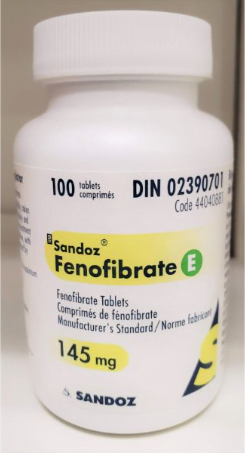
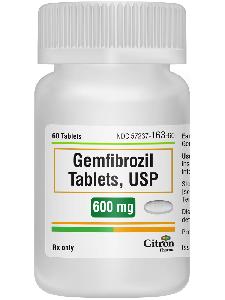
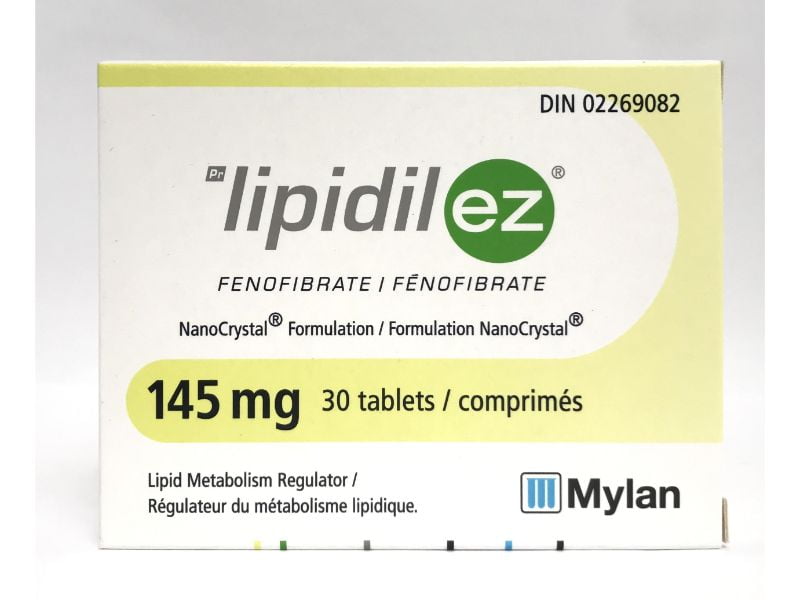


Book a telehealth visit to discuss High Triglycerides
Find a doctor
Speciality
State

Video Visit
$69

Video Visit
$69

Video Visit
$69

Video Visit
$69

Video Visit
$69
Meet Dr. Priya Asija: Board-Certified Family Physician and Wound Care Specialist Committed to Comprehensive CarePriya Asija is a board-certified Family Medicine physician and Wound Care Specialist with more than 15 years of experience. Her work includes primary care, urgent care-style visits, telemedicine, and advanced wound management. She holds a Wound Care Certification (WCC) through NAWCO, is credentialed in hyperbarics, and maintains BLS and ACLS certifications. She is licensed to practice in Texas, Florida, Pennsylvania, Wisconsin, Alabama, Arizona and Illinois.Dedicated to delivering high-quality, patient-centered care, Dr. Asija treats a wide range of acute and chronic medical conditions, provides preventive services, and specializes in wound care and hyperbaric medicine. She is the owner of Brookfield Family Practice, division of SAAK Health Care, partner at SAAK Wound Care Clinic and Hyperbarics, and serves as Medical Director for Wisconsin Wound Pros. Her services include primary care visits, urgent care management, wound evaluations, hyperbaric therapy oversight, telemedicine consultations, and prescription refill appointments when medically appropriate to support continuity of care.Fluent in English, Dr. Asija combines strong clinical expertise with compassionate communication. She collaborates closely with patients and interdisciplinary teams to promote healing, preventive health, and long-term wellness, ensuring accessible and comprehensive care across the states in which she practices.
Read Bio
Speciality: Family Medicine
Speaks: English
Video Visit
$69

Video Visit
$69

Video Visit
$69

Video Visit
$69

Video Visit
$69

Video Visit
$69
Frequently Asked Questions
What are triglycerides, and why do they matter?
Triglycerides are fats that circulate in the bloodstream. The body stores energy in this form between meals. Levels often rise after eating and fall during fasting. Clinicians review triglycerides with HDL and LDL cholesterol for context. Very high levels can link to pancreatitis risk in some cases. Many people have no symptoms, so lab trends matter. A clinician can explain what the number means for the full picture.
What counts as normal triglyceride levels on a lab report?
Many labs list “normal” triglycerides as below 150 mg/dL. Some reports also show borderline high, high, and very high ranges. These cutoffs can vary by lab and guideline. Age, pregnancy status, diabetes, and other conditions may change interpretation. A single result does not tell the whole story. Clinicians usually compare prior results, other lipids, and timing of the test.
What is the difference between fasting and nonfasting triglycerides?
A fasting test is usually drawn after several hours without food. A nonfasting result reflects typical day-to-day eating patterns. Triglycerides can rise after meals, so timing affects the number. Some clinicians prefer fasting values for clearer comparisons over time. Others use nonfasting values as a screening step. The lab report often notes whether the sample was fasting. Clinicians interpret the result in that context.
What information helps a clinician review high triglycerides?
Visits go smoother when key details are organized ahead of time. Helpful items include recent lipid panels, A1C or glucose results, and current medications. Alcohol use, thyroid history, and recent illness can also matter. Family history of early heart disease may add context. If symptoms exist, noting timing and triggers helps the review. Clinicians decide which details are most relevant for the evaluation.
How does Medispress handle prescriptions for lipid conditions?
Medispress connects patients to licensed U.S. clinicians for video visits. The visit happens in a secure, HIPAA-compliant app. Clinicians make all medical decisions, including whether prescriptions are appropriate. When a prescription is issued, dispensing follows pharmacy verification steps and state rules. If appropriate, clinicians may route prescriptions to partner pharmacies. Some patients use cash-pay options, often without insurance, depending on the situation.