


High LDL Cholesterol
Care Options for High LDL Cholesterol
High LDL Cholesterol is a common finding that can raise long-term heart risk. This category page helps patients and caregivers browse practical care options. It also explains common terms that appear in cholesterol discussions. Expect plain-language definitions, medication categories, and questions to raise with a clinician. Many people feel well, even when LDL is high. That can make follow-up feel confusing or easy to delay.
This collection also supports logistics. It covers prescription requirements, typical verification steps, and what telehealth can handle. For background reading on cholesterol basics, see this American Heart Association overview of cholesterol and heart risk.
High LDL Cholesterol: What You’ll Find
This browse page brings together resources tied to LDL (low-density lipoprotein) cholesterol. LDL is often called “bad” cholesterol because it can contribute to plaque buildup. You will see condition-focused explanations alongside prescription-focused information. The goal is to make comparisons easier, not to replace clinical advice.
On Medispress, visits are completed by video in a secure health app. Some people use this page to understand LDL vs HDL (high-density lipoprotein). Others compare related markers like non-HDL cholesterol, triglycerides, or apoB (a marker tied to particle count). You may also see references to familial hypercholesterolemia, a genetic form of very high cholesterol.
What’s included here can vary by availability and state rules. It may cover several medication categories, such as statins for high LDL and non-statin options. It can also highlight lifestyle change themes, like LDL cholesterol diet patterns and exercise to lower LDL.
- Plain-language definitions for common cholesterol terms
- Medication categories that clinicians may consider for LDL management
- Browse links for related lipid conditions and patterns
- Access notes for telehealth visits and prescriptions
- Resources on everyday habits that support heart health
How to Choose
Choosing what to read or compare can feel hard, especially with mixed advice online. Start by matching the resource to the decision at hand. Some pages focus on definitions and “what is LDL cholesterol” basics. Others focus on medication pathways and guidelines for LDL management.
If the main goal is understanding High LDL Cholesterol results in context, look for risk-based framing. Many guidelines discuss LDL targets by risk, not one universal “optimal” number. That is why two people can have different LDL goals. A clinician can explain how heart disease risk and LDL fit together.
Key terms to recognize
- LDL cholesterol normal range varies by guideline and risk group
- Optimal LDL levels are often lower for higher-risk histories
- LDL vs HDL describes two lipoprotein types with different roles
- Non HDL cholesterol can reflect several atherogenic particles
- ApoB and LDL may differ when particle counts are elevated
- Triglycerides and LDL patterns can shift with diet and metabolism
- Familial hypercholesterolemia suggests inherited, very high levels
Conversation starters for a clinician
- “How is my overall cardiovascular risk being estimated?”
- “Which guideline is being used for my LDL goal?”
- “Would a statin, a non-statin, or both be discussed?”
- “What side effects should be watched for with this option?”
- “How will follow-up be handled if numbers stay elevated?”
- “Which lifestyle changes for cholesterol are most realistic first?”
For a practical overview of virtual visits, read Telehealth Online Basics. It explains common visit formats and expectations.
Safety and Use Notes
LDL-lowering treatment can involve prescription medication, lifestyle changes, or both. Medication choice depends on medical history, risk level, and tolerability. Statins for high LDL are commonly discussed, but they are not the only option. Alternatives to statins may be considered when side effects occur, or when additional lowering is needed.
Why it matters: LDL often causes no symptoms, so follow-up planning matters.
High LDL Cholesterol can also overlap with other conditions that change medication decisions. Examples include pregnancy, liver disease, and certain muscle disorders. Some medicines can interact with cholesterol therapies, including specific antibiotics or antifungals. Always share a complete medication list, including supplements. Never stop a prescribed medicine without clinician guidance.
Common categories clinicians may discuss
- Statins, which reduce cholesterol production in the liver
- Cholesterol absorption blockers, which reduce absorption from the gut
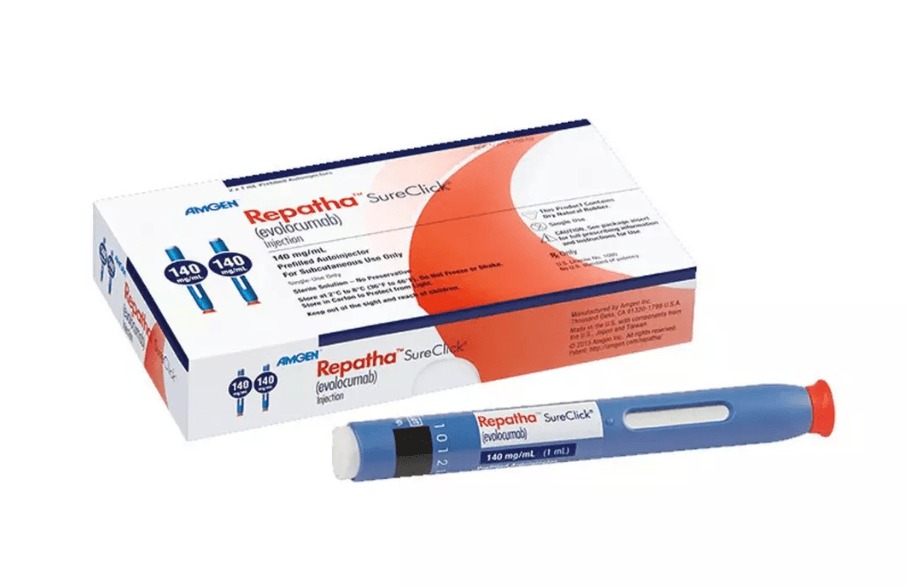
- Injectable therapies for selected higher-risk situations
- Combination approaches when one option is not enough
Higher-caution situations to flag
- Pregnancy or plans to become pregnant
- Unexplained muscle pain or weakness after starting a medicine
- Prior serious reactions to cholesterol medications
- Multiple interacting prescriptions from different clinicians
Clinical decisions on medications are made by licensed U.S. clinicians during the visit.
Access and Prescription Requirements
Many LDL-lowering medications require a prescription. Pharmacies also require prescription verification and appropriate dispensing steps. Medispress supports telehealth visits and, when appropriate, prescription coordination. Not every option is available in every state, and rules can differ.
Some people use cash-pay options, often without insurance, for simplicity. Others use coverage through a standard pharmacy workflow. High LDL Cholesterol care can involve longer-term follow-up, so it helps to keep records organized. A flat-fee telehealth model may be available for the visit itself, depending on the service shown at checkout.
Quick tip: Save a current medication list in your account notes.
- Be ready to confirm identity and basic medical history
- Have prior medication names and side effects noted
- Expect standard prescription verification at the pharmacy
- Ask how refills and follow-up are handled on the platform
- Use one preferred pharmacy to reduce duplicate records
When appropriate, clinicians may coordinate prescriptions via partner pharmacies, per state regulations.
Related Resources
For broader browsing beyond High LDL Cholesterol, explore related condition collections. The High Cholesterol page can help when LDL is one part of a larger pattern. If triglycerides are also elevated, see High Triglycerides. If a strong family history is involved, review Familial Hypercholesterolemia for genetic-context terms.
For visit planning and prescription basics, these Medispress guides can help. Start with Telemedicine Services and the Virtual Doctor Visit Guide. For prescription workflow questions, read Prescriptions Online Through Telehealth and Prescription Rx Basics. If nutrition support is part of the plan, Virtual Nutrition Counseling covers how telehealth sessions typically work.
For additional background on cholesterol and cardiovascular risk factors, see this NHLBI guide to high blood cholesterol.
This content is for informational purposes only and is not a substitute for professional medical advice.

Find suitable medication for High LDL Cholesterol
Book a telehealth visit to discuss High LDL Cholesterol
Find a doctor
Speciality
State

Video Visit
$69

Video Visit
$69

Video Visit
$69

Video Visit
$69

Video Visit
$69

Video Visit
$69

Speciality: Dermatology, Family Medicine, Men's Health, Urgent Care, Women's health
Speaks: English, Spanish, French, Arabic, Portuguese
Video Visit
$69

Video Visit
$69

Video Visit
$69

Video Visit
$69

Video Visit
$69

Video Visit
$69
Frequently Asked Questions
What is LDL cholesterol, and why is it called "bad" cholesterol?
LDL stands for low-density lipoprotein. It carries cholesterol through the bloodstream. It is often called “bad” cholesterol because higher LDL levels are linked with plaque buildup in arteries. Over time, plaque can narrow arteries and raise cardiovascular risk. HDL is often called “good” cholesterol because it helps move cholesterol away from arteries. A clinician can explain how LDL fits with other markers, like non-HDL cholesterol and apoB.
Are there symptoms of high LDL cholesterol?
High LDL cholesterol usually does not cause symptoms. Many people feel normal even when levels are elevated. That is one reason it can be missed for years. Symptoms, when they occur, are often tied to complications of long-term cardiovascular disease, not LDL itself. Some inherited conditions, like familial hypercholesterolemia, can cause physical signs such as tendon xanthomas (cholesterol deposits). A clinician can help interpret personal risk factors and family history.
How do non-HDL cholesterol and apoB relate to LDL?
LDL is one type of particle that can contribute to atherosclerosis. Non-HDL cholesterol is a broader measure that includes LDL plus other atherogenic particles. ApoB is a protein found on many of those particles and can reflect particle number. These measures can be helpful when triglycerides are elevated or when LDL alone does not tell the full story. Clinicians decide which markers matter most based on overall risk and clinical context.
When do clinicians consider statins for high LDL?
Clinicians often use guideline-based risk assessment to decide on statin therapy. Factors can include age, personal history of cardiovascular disease, diabetes, smoking, blood pressure, family history, and how elevated LDL is. Very high LDL levels may raise concern for familial hypercholesterolemia. Some patients may discuss non-statin options or combination therapy, depending on goals and tolerance. A clinician can explain benefits, risks, and what follow-up typically looks like.
What should I prepare for a telehealth visit about cholesterol?
Preparation helps the visit stay focused. Have a list of current medications, supplements, and any prior side effects. Note major medical conditions, family history of early heart disease, and smoking status. If available, keep recent cholesterol numbers and blood pressure readings together in one place. Write down questions about LDL goals, medication options, and lifestyle priorities. For platform steps, keep login details ready and choose a preferred pharmacy for prescription routing.