


Heavy Menstrual Bleeding
Care Options for Heavy Menstrual Bleeding
This category page focuses on Heavy Menstrual Bleeding and practical care navigation. It brings together common symptom patterns, possible causes, and options clinicians may discuss. It also explains how prescription access usually works across products and pharmacies. Use this page to compare resources before scheduling a visit or follow-up.
Heavy bleeding is sometimes called menorrhagia (very heavy periods). It can also fit under abnormal uterine bleeding, which is bleeding outside expected patterns. Patterns can differ during perimenopause, in teens, or with certain birth control methods. Tracking changes over time can help a clinician understand the story.
Quick tip: Track cycle length, pad changes, and clots in one place.
Heavy Menstrual Bleeding What You’ll Find
This browse page is built for comparing information and care paths. It covers common heavy period symptoms, heavy period causes, and what evaluation may include. You will also see high-level summaries of heavy menstrual bleeding treatment approaches. These can include medicines, devices, and procedures, depending on the situation.
Visits can happen by video with licensed U.S. clinicians.
Details that often matter include bleeding duration, clot size, cramping, and fatigue. Some people report blood clots during period, or a period longer than 7 days. Others notice dizziness, shortness of breath with exertion, or brain fog. Those can overlap with anemia from heavy periods or iron deficiency heavy periods. Clinicians may also consider uterine fibroids heavy bleeding, endometriosis heavy bleeding, or PCOS heavy periods as contributors.
- Plain-language definitions and clinical terms, including abnormal uterine bleeding
- Common symptom patterns, including timing, volume, and associated pain
- Overview of evaluation tools, like pelvic ultrasound heavy bleeding and lab tests for heavy periods
- Examples of care options, from NSAIDs for heavy menstrual cramps and bleeding to procedural options
- Links to supportive health topics that affect daily functioning
How to Choose
Different care paths can look similar at first glance. The best starting point is often clarity about goals and constraints. Some people want fewer heavy days, less cramping, or more predictable cycles. Others prioritize non-hormonal options or fertility planning. This section helps organize questions before discussing Heavy Menstrual Bleeding with a clinician.
What to gather before comparing options
- How many days bleeding lasts, and how heavy the peak days feel
- Whether bleeding happens between periods, after sex, or postmenopause
- Any blood clots, flooding, or overnight leakage patterns
- Cramping level and whether it limits work or school attendance
- Current contraception, including a history of IUD for heavy periods
- Past diagnoses, like fibroids, endometriosis, thyroid disease, or PCOS
- Medication list, including anticoagulants and supplements like iron
- Pregnancy status when relevant, including recent miscarriage or delivery
How options are commonly grouped
Non-prescription approaches may focus on comfort and function. Prescription options may include birth control for heavy bleeding, hormonal therapy for heavy bleeding, or non-hormonal choices like tranexamic acid for heavy periods. For some, clinicians may discuss procedure pathways, such as endometrial ablation for heavy bleeding. In more complex situations, hysterectomy for heavy bleeding can be part of a longer conversation. The right comparison depends on medical history and future plans.
| What to track menstrual flow | Why it helps |
|---|---|
| Start and end dates each cycle | Shows cycle length and changes over time |
| Pad or tampon changes per day | Helps estimate bleeding intensity and peak days |
| Clots and flooding episodes | Highlights patterns that may change the workup |
| Pain level and missed activities | Connects bleeding to quality-of-life impact |
| Fatigue, dizziness, or cravings for ice | Can support anemia screening discussions |
Safety and Use Notes
This section is not a substitute for individualized care. A clinician should evaluate new, worsening, or disruptive bleeding patterns. That is especially true when symptoms are paired with severe pelvic pain, fainting, or possible pregnancy. Appointments run in a secure, HIPAA-compliant app.
For a plain-language overview of concerning patterns, see guidance from ACOG on heavy menstrual bleeding. Many people also wonder when to see a doctor for heavy periods. Practical triggers can include rapid soaking through products, persistent bleeding, or signs of anemia. A clinician may recommend blood work, pregnancy testing, or a pelvic ultrasound. They may also look for bleeding disorders in teen heavy periods, especially with a long history.
Why it matters: Ongoing heavy bleeding can contribute to iron loss and fatigue.
Medication safety varies by medical history and other drugs. NSAIDs can be unsafe for some stomach, kidney, or bleeding conditions. Hormonal methods can have contraindications, including certain clotting risks. Non-hormonal medicines also have interaction considerations. For general information on iron deficiency and anemia, see MedlinePlus on iron-deficiency anemia.
Access and Prescription Requirements
Some care options require a prescription and pharmacy dispensing. Requirements can differ by state and by medication class. For prescription medicines, a clinician typically reviews history and symptoms first. They may request recent vitals, pregnancy status, or relevant records. In some situations, lab tests or imaging are part of safe prescribing.
When appropriate, clinicians coordinate prescriptions through partner pharmacies, following state rules.
Some people explore heavy periods without insurance options and prefer cash-pay access. That can be a reasonable administrative choice for some situations. It still requires proper clinical review and prescription verification where required. If a prescription is appropriate, dispensing must follow pharmacy standards and applicable regulations. Keep in mind that some treatments need follow-up monitoring, even when symptoms improve.
For procedure-based options, referral pathways may apply. For example, endometrial ablation is typically handled by in-person gynecology care. The same is true for surgery planning, including hysterectomy discussions. This page can help organize the conversation before the next appointment.
Related Resources
Heavy bleeding and cramping often show up together, but they are not identical issues. Browsing Menstrual Pain can help compare overlap and differences. Daily functioning can also be affected by stress, sleep disruption, and low mood. For supportive reading, see Reduce Stress And Mental Health and Nutrition And Mental Health.
If fatigue is a major issue, sleep basics can be a helpful starting point. Browse Better Sleep Habits and Treat Insomnia Tips for practical routines. If care access is part of the plan, Telehealth For Insomnia explains common visit workflows. For deeper context on daytime fatigue, see Excessive Daytime Sleepiness. If mood symptoms are present, Early Signs Of Depression can support clearer self-reporting.
This content is for informational purposes only and is not a substitute for professional medical advice.

Find suitable medication for Heavy Menstrual Bleeding
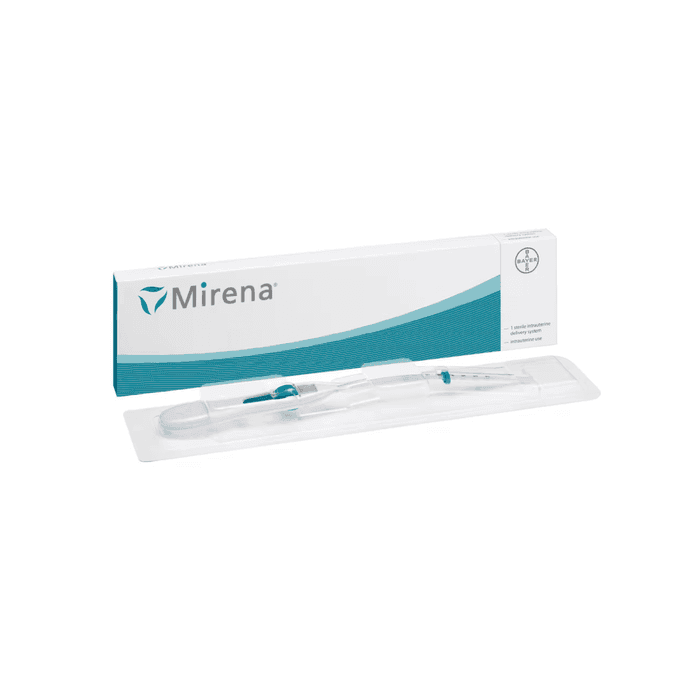
Book a telehealth visit to discuss Heavy Menstrual Bleeding
Find a doctor
Speciality
State

Video Visit
$69

Video Visit
$69

Video Visit
$69

Video Visit
$69

Video Visit
$69

Video Visit
$69

Speciality: Dermatology, Family Medicine, Men's Health, Urgent Care, Women's health
Speaks: English, Spanish, French, Arabic, Portuguese
Video Visit
$69

Video Visit
$69

Video Visit
$69

Video Visit
$69

Video Visit
$69

Video Visit
$69
Frequently Asked Questions
What counts as heavy period symptoms?
Heavy period symptoms often describe bleeding that feels excessive or disruptive. Examples include frequent pad or tampon changes, bleeding through clothing, or waking to change protection. Some people notice blood clots during period or bleeding that lasts more than a week. Fatigue, lightheadedness, or shortness of breath can also appear if iron levels drop. A clinician can help interpret what is typical versus concerning, based on age, pregnancy risk, and medical history.
What are common heavy period causes?
Causes can range from hormone-related cycle changes to structural issues. Clinicians may consider uterine fibroids, adenomyosis, endometriosis, or polyps. Ovulation changes can occur with PCOS and during perimenopause. Some medicines, including blood thinners, can also affect bleeding. Bleeding disorders can be relevant, especially when heavy bleeding started in the teen years. A proper assessment helps match testing and treatment options to the likely cause.
How is heavy menstrual bleeding evaluated?
Evaluation usually starts with a detailed history and symptom timeline. Clinicians often ask about cycle length, bleeding volume, clots, pain, and pregnancy risk. Depending on the situation, they may order lab tests to check anemia, iron levels, or hormone patterns. Imaging, such as a pelvic ultrasound, can help identify fibroids or other structural causes. The workup varies by age, risk factors, and whether bleeding occurs between periods or after menopause.
What types of treatments might be discussed?
Treatment discussions often include both symptom control and cause-specific options. Some people consider NSAIDs for cramps and bleeding, if appropriate for their health history. Others discuss hormonal methods, such as certain birth control options or other hormonal therapy. Non-hormonal prescription options, like tranexamic acid, may be considered in some cases. If structural causes are found, procedures may enter the conversation. A clinician weighs benefits, risks, and personal priorities.
When is urgent care needed for heavy bleeding?
Urgent evaluation may be needed when bleeding is very heavy or symptoms are severe. Examples include fainting, chest pain, severe weakness, or soaking through protection rapidly for several hours. Heavy bleeding with a positive pregnancy test, severe one-sided pain, or suspected miscarriage also needs prompt care. These are safety situations, not routine follow-ups. If there is uncertainty, a clinician or local urgent service can help guide next steps based on symptoms and context.