


Heartworm Disease
Care Options and Resources for Heartworm Disease
Heartworm Disease is a mosquito-borne parasitic infection that can affect pets. It is caused by Dirofilaria immitis (a parasitic roundworm). This browse page focuses on practical information for dog and cat owners. It also supports comparing prevention options and care resources in one place. Use it to understand common terms, review typical risks, and navigate medication requirements.
Heartworm transmission happens when mosquitoes spread immature larvae between animals. The heartworm lifecycle involves several stages before adult worms develop. Signs of heartworm can look different by species and severity. Dogs may show coughing, lower energy, or reduced exercise tolerance. Cats can show breathing changes, vomiting, or sudden collapse in severe cases. Symptoms can overlap with many other conditions, so evaluation matters.
Appointments happen by video with licensed U.S. clinicians.
Heartworm Disease: What You’ll Find
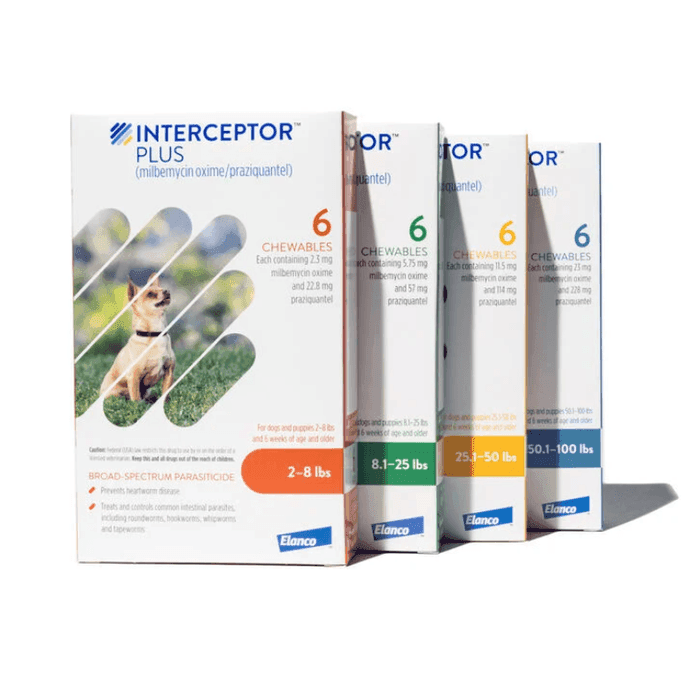
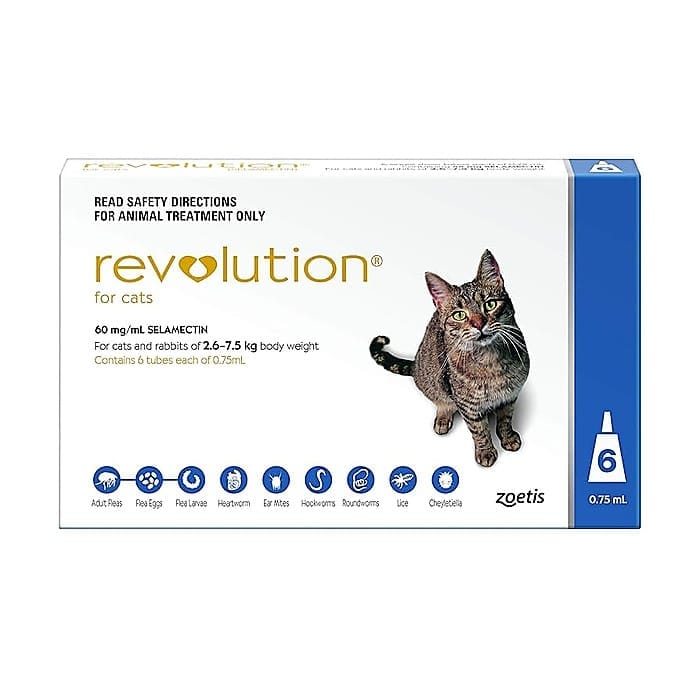
This collection brings together prevention-focused medications and supporting explanations. Listings may include key label details like form, active ingredients, and dosing interval. Some options are chewable, while others are topical. Some products also cover other parasites, depending on the label.
Resources here also clarify everyday questions that come up during browsing. That includes heartworm risk areas, indoor cats heartworm risk, and why heartworm and mosquitoes stay closely linked. It also helps decode terminology like heartworm stages, microfilariae (baby worms in the bloodstream), and heartworm complications. When treatment is discussed, it is framed as an overview of options, not instructions.
For broader navigation, browse the Heartworm Condition Collection for related items.
- Prevention medication options and format comparisons
- Plain-language definitions for transmission and lifecycle terms
- Common signs in dogs and cats for context while browsing
- High-level notes on treatment pathways and monitoring concepts
- Administrative details tied to prescriptions and verification
How to Choose
Comparing options for Heartworm Disease can feel confusing at first. A structured checklist makes browsing faster and less stressful. Focus on what the label covers, how it is given, and what documentation is needed. Keep notes so details stay consistent across refills and renewals.
Match the option to the pet and the household
- Species-specific labeling, since heartworm in cats differs from dogs
- Age and weight ranges listed on the product label
- Administration route, like oral chew versus topical application
- Dosing cadence, such as monthly versus longer-interval products
- Multi-pet household handling, to avoid mix-ups between animals
- Storage and handling needs, especially for heat or moisture exposure
Compare the information that supports safe use
- Contraindications and warnings shown on the official label
- Known heartworm medication side effects listed by the manufacturer
- Drug interaction cautions, when pets take multiple therapies
- What to do after a missed dose, following label instructions
- Whether added parasite coverage fits the pet’s needs and risks
Clinicians make the final call on any prescription decision.
Safety and Use Notes
Heartworm Disease prevention products can be highly effective when used correctly, but they still require care. Do not share medications between pets unless a clinician directs it. Labels often differ by species, age, and weight. A product that is common for dogs may not be appropriate for cats. Reading the full label helps avoid preventable errors.
When a pet already has a heartworm infection, care plans can change. Some treatment pathways may include adult-worm therapy and close monitoring by a veterinarian. Some dogs may need exercise restriction heartworm precautions as part of that plan. Only a treating clinician can decide what applies in a given case.
Why it matters: Activity limits can reduce risk when heartworm complications are present.
Visits run in a secure, HIPAA-compliant Medispress app.
- Watch for label-listed adverse effects like vomiting, diarrhea, or lethargy
- Seek urgent veterinary care for breathing distress or collapse
- Keep packaging until questions are resolved, including lot information
- Confirm product identity before each dose, especially with lookalike boxes
- Use only as directed on the label or by a licensed clinician
Access and Prescription Requirements
Some preventives require a prescription, while others may have different access rules. When a prescription is required, pharmacies typically verify it before dispensing. If there is no active prescription on file, a clinician visit may be needed for evaluation. Some people prefer cash-pay options, often without insurance, for simpler checkout.
If clinically appropriate, prescriptions may route through partner pharmacies.
Quick tip: Keep a clear photo of the current label for reference.
- Pet details used for matching, such as species, age, and current weight
- Medication name and formulation, since formats can vary widely
- Prescriber information, if the prescription comes from an outside clinic
- Allergy history and current medication list, if available
- Any recent clinical notes that explain the current plan, when relevant
Related Resources
Use this section to keep browsing organized for Heartworm Disease. It can help when comparing definitions, lifecycle explanations, and prevention schedule language across brands. It also helps align expectations around what clinicians and pharmacies can document.
For additional reading on this condition, open the Heartworm Overview Page for related educational context.
For lifecycle basics, see the American Heartworm Society.
For background on mosquito-borne spread, see the CDC heartworm overview.
- Transmission terms, including how mosquitoes spread larvae
- Differences in signs between dogs and cats
- Common browsing questions about schedules and missed doses
- Administrative steps tied to prescription verification and dispensing
This content is for informational purposes only and is not a substitute for professional medical advice.

Find suitable medication for Heartworm Disease


Book a telehealth visit to discuss Heartworm Disease
Find a doctor
Speciality
State

Video Visit
$69

Video Visit
$69

Video Visit
$69

Video Visit
$69

Video Visit
$69

Video Visit
$69

Speciality: Dermatology, Family Medicine, Men's Health, Urgent Care, Women's health
Speaks: English, Spanish, French, Arabic, Portuguese
Video Visit
$69

Video Visit
$69

Video Visit
$69

Video Visit
$69

Video Visit
$69

Video Visit
$69
Frequently Asked Questions
What does this category page include?
This page groups heartworm-related prevention options and supporting explanations. It helps compare formats, dosing cadence, and label-level cautions without giving medical instructions. It also defines common terms like transmission, lifecycle stages, and typical signs seen in dogs and cats. Use the links to move between related collections and deeper reading. Medication availability and requirements can vary by product and pharmacy verification rules.
Do heartworm preventives require a prescription?
Some heartworm preventives require a prescription, while others may not. Requirements depend on the product and applicable pharmacy rules. When a prescription is required, a pharmacy typically verifies a valid order before dispensing. If no current prescription exists, a clinical evaluation may be needed. Any prescribing decision depends on clinical factors and local regulations, not just browsing preferences or prior use.
What information helps with prescription verification?
Verification usually goes smoother when key details match across records. Helpful items include the pet’s species, age, and current weight, plus the exact product name and formulation. Prescriber name and clinic contact information can also help when a prescription comes from outside Medispress. A current medication list and known allergies add context when clinicians review safety considerations. Documentation needs can vary by pharmacy partner.
Can cats get heartworms if they stay indoors?
Yes, indoor cats can still face heartworm exposure. Mosquitoes can enter homes through doors, screens, or small openings. Cats may also show different or less predictable symptoms than dogs, which can complicate recognition. Risk level varies by region and local mosquito activity, but “indoor” does not equal “zero risk.” Prevention decisions should be discussed with a veterinary professional who knows the pet’s history.
When should urgent care be considered for possible reactions?
Urgent veterinary care may be needed when severe symptoms occur after a medication dose. Examples include breathing distress, collapse, repeated vomiting, or sudden weakness. These signs can have many causes, but quick evaluation is important. Mild stomach upset can happen with some products, but persistent or worsening symptoms deserve attention. Product labels list possible adverse effects and warnings, which can help guide a clinician’s assessment.