


Heartworm
Care Options for Heartworm
This category page brings together practical Heartworm information and related medication resources for pets. It covers mosquito-borne parasites that can affect dogs and cats. Use it to compare prevention formats, label requirements, and common questions. It also explains administrative steps that may apply to prescription items. The goal is clearer browsing and fewer surprises at checkout.
Dirofilaria immitis (a parasitic roundworm) spreads through infected mosquito bites. The parasite’s lifecycle includes stages that can affect the heart and lung vessels. Signs can include cough, tiredness, or reduced activity in some dogs. Cats may show subtle breathing changes, or few signs at all. Risk can change by climate, travel, and local mosquito activity.
Appointments run by video with licensed U.S. clinicians in our secure app.
Heartworm What You’ll Find
This collection focuses on prevention and care planning, not guesswork. It helps pet owners compare common routes, like oral chewables and topical liquids. It also highlights practical details that often matter day to day. Examples include dosing intervals, storage notes, and refill timing on labels.
The page also supports education around transmission and symptom patterns. That context can help when reviewing a clinician’s plan. It may also help with budgeting for ongoing prevention. Some households prefer predictable, cash-pay options, especially when costs vary month to month.
- Prevention formats and typical dosing intervals on labels
- Key terms like “mosquito-borne” and “lifecycle” explained plainly
- Common symptom patterns and when to seek urgent care
- What to track for a prevention schedule over time
- Practical notes on storage, handling, and missed doses
- Administrative details for prescription items and refills
Content here stays high level on purpose. A clinician can match options to species, age, and history.
How to Choose
Start by deciding what information matters most for the household. For Heartworm resources, the label and species match come first. Then look at how the option fits routines and preferences. Keep the focus on safety, consistency, and clarity.
Quick tip: Save package photos and past medication notes in one place.
Compare the practical details
- Species and weight range listed on the label
- Route of use, such as oral versus topical
- Dosing frequency and how missed doses are handled on-label
- Storage needs, including temperature and light exposure
- Known interaction cautions and contraindications on the label
- Age limits, if listed, and any monitoring language
Plan what to ask a clinician
Questions often focus on fit and follow-through. Ask how routine prevention changes with travel or seasonal mosquito exposure. Ask what symptoms should prompt a same-day call versus emergency care. Also ask how to document past side effects and past parasite prevention. Clear notes help a clinician make safer recommendations.
Safety and Use Notes
Most preventives work best when used exactly as directed. Heartworm medicines can still cause side effects in some pets. Labels often describe possible stomach upset, tiredness, or skin irritation. Some pets may have more serious reactions, though they are less common. Keep packaging so key warnings stay easy to review.
Clinicians review history and decide what care is appropriate.
- Use only products labeled for the correct species and size range
- Avoid mixing preventives unless a clinician confirms compatibility
- Watch for vomiting, diarrhea, drooling, weakness, or tremors
- Seek urgent care for collapse, trouble breathing, or severe swelling
- Store medications safely, away from children and other animals
- Report suspected side effects to a clinician and the dispensing pharmacy
Why it matters: Species-specific products can differ, and mix-ups can be dangerous.
Also watch for confusion between similar packaging or names. If anything looks different than expected, pause and confirm details. That includes the label, the dispensing pharmacy, and any included instructions.
Access and Prescription Requirements
Some parasite preventives require a prescription, depending on the product and state. Others may be available without a prescription. When a prescription applies, licensed dispensing and verification help protect safety. That process may include checking prescriber details and confirming the intended animal. It can also affect refill timing and allowed quantities.
For Heartworm-related prescriptions, a clinician visit may be required before dispensing. Some people use cash-pay options, often without insurance, for predictability. Keep in mind that state rules can affect which pharmacies can dispense. Documentation needs can also change between products.
When appropriate, prescriptions can go to partner pharmacies, following state dispensing rules.
- Pet details such as species, age, and current weight range
- Current medications and supplements, including preventives
- Past reactions or sensitivities to medications
- Preferred pharmacy information, if already established
- Shipping address details, if home delivery is available
- Any notes from recent care that a clinician should review
Keep expectations realistic for complex cases. Some situations need in-person veterinary care for a full exam. Telehealth can still help with education and next steps when appropriate.
Related Resources
For another browse page focused on the condition and common options, see Heartworm Disease. For background on mosquito transmission and parasite basics, see the CDC Parasites Overview. These references can help when comparing labels and planning questions.
If new symptoms appear, document what changed and when. That timeline can help a clinician interpret risk and urgency. Keep packaging and lot information for any recently used products.
This content is for informational purposes only and is not a substitute for professional medical advice.

Find suitable medication for Heartworm
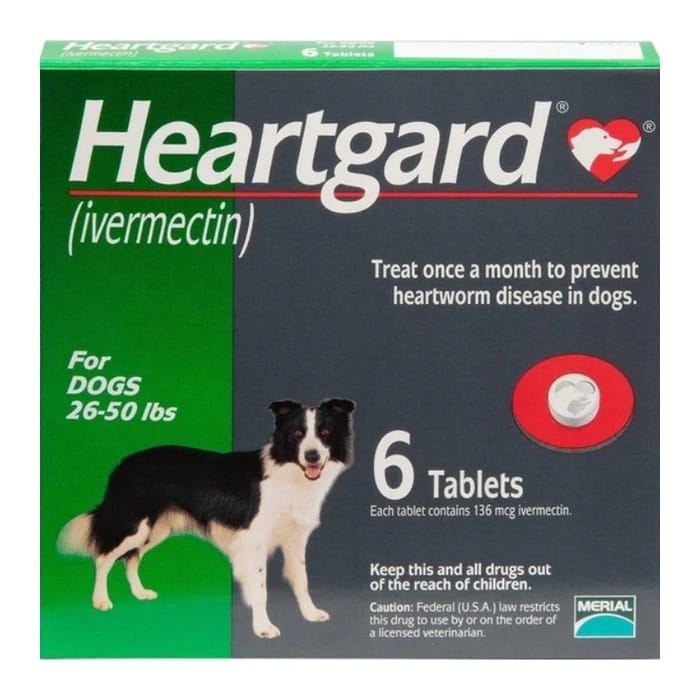

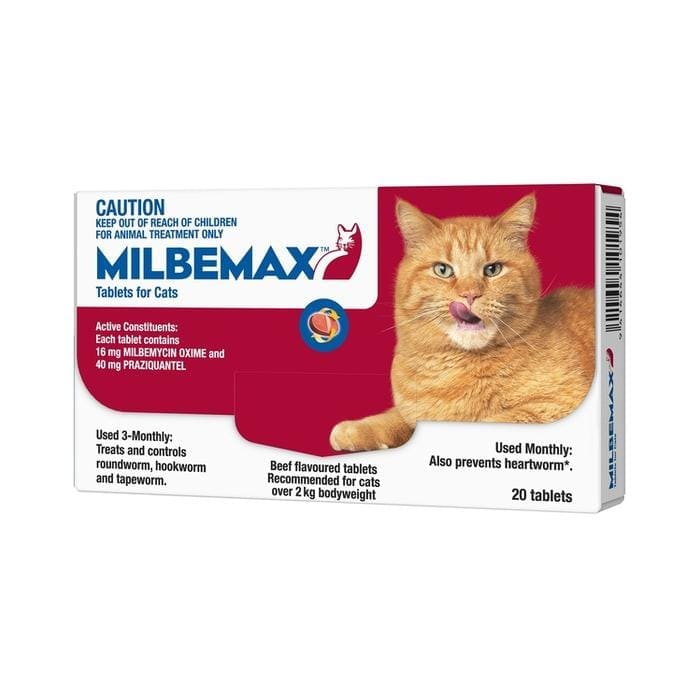

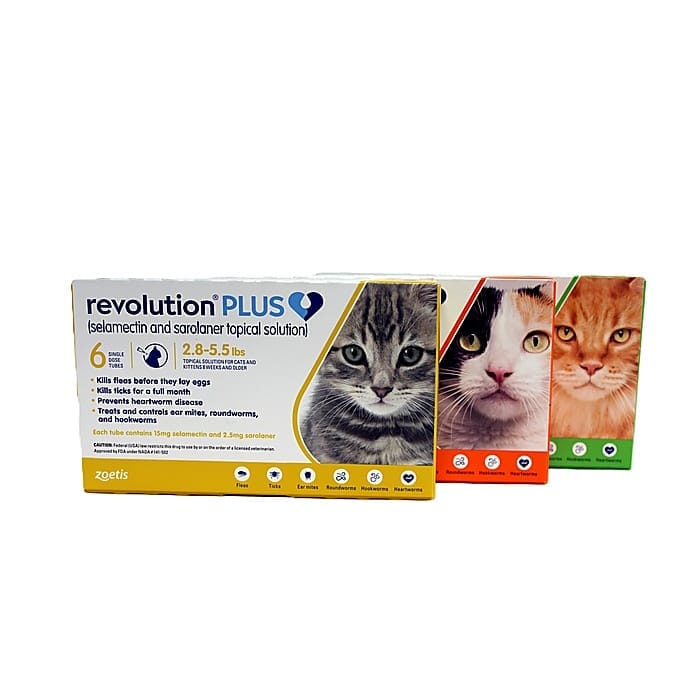
Book a telehealth visit to discuss Heartworm
Find a doctor
Speciality
State

Video Visit
$69

Video Visit
$69

Video Visit
$69

Video Visit
$69

Video Visit
$69

Video Visit
$69

Speciality: Dermatology, Family Medicine, Men's Health, Urgent Care, Women's health
Speaks: English, Spanish, French, Arabic, Portuguese
Video Visit
$69

Video Visit
$69

Video Visit
$69

Video Visit
$69

Video Visit
$69

Video Visit
$69
Frequently Asked Questions
What can I browse on this page?
This category page supports browsing and education for pet caregivers. It typically includes prevention formats, common label details, and practical planning points. It also covers basics like transmission and symptom patterns in dogs and cats. Some items may be prescription-only, so access notes matter. Use the page to compare routes, dosing intervals, and storage requirements. For prescription items, expect verification steps before a pharmacy can dispense.
Which pets are often considered at risk for infection?
Mosquito exposure drives risk, so both dogs and cats can be affected. Outdoor time can increase exposure, but indoor pets are not always risk-free. Travel can also change risk quickly, especially across climates and seasons. Age, health history, and past prevention consistency may matter too. A clinician can help interpret risk based on location and routines. For any breathing trouble or collapse, seek urgent veterinary care.
What information helps a telehealth clinician review prevention options?
Bring basics that support safe medication matching. Helpful details include species, age, and a recent weight range. List all current medications, supplements, and parasite preventives. Note any past side effects, even if they seemed mild. Share any recent care notes that relate to heart and lung symptoms. If available, upload clear photos of packaging and labels. This saves time and reduces mix-ups during review.
Do all parasite preventives require a prescription?
Requirements vary by product, strength, and state rules. Some preventives are available without a prescription, while others require one. When a prescription applies, the pharmacy must confirm valid prescriber authorization. Platforms may also verify details before routing to a licensed dispensing pharmacy. If a product appears restricted, expect an added review step. For clarity, rely on the label and dispensing requirements shown at checkout.
What if my pet has side effects after using a preventive?
Side effects can range from mild stomach upset to more serious reactions. Keep the package and note the timing of symptoms. Contact a clinician for guidance on how to interpret what happened. Seek urgent veterinary care for severe swelling, trouble breathing, collapse, or ongoing seizures. Avoid re-dosing until a professional reviews the situation. If a dispensing pharmacy was involved, share lot and label details for reporting.