


Heart Disease
Care Options and Resources for Heart Disease
This category page gathers information and listings related to Heart Disease for patients and caregivers. It covers heart and blood vessel conditions, plus practical care-planning basics. For national context, see this CDC page on heart disease facts.
Medispress visits happen by video with licensed U.S. clinicians in-app. This collection helps with browsing, planning, and understanding common terms and categories.
Heart Disease: What You’ll Find
Heart and circulation diagnoses can share symptoms and risk factors. Browsing related pages helps keep terminology consistent across visits. This category includes collections for Coronary Artery Disease, Heart Failure, and Atherosclerotic Cardiovascular Disease.
It also points to urgent-event topics like Heart Attack and circulation problems like Peripheral Artery Disease. Each related page may include prescription options, OTC items, or both. Listings often note the format, the route, and whether a prescription is required.
People often ask, “what is heart disease,” and the answer depends on the diagnosis. Examples include arrhythmia (irregular heartbeat), atrial fibrillation (AFib, an irregular atrial rhythm), and cardiomyopathy (heart muscle disease). Other groups include valvular heart disease (valve problems) and congenital heart disease (present at birth). Risk topics may include hypertension and heart disease, high cholesterol and heart disease, and family history of heart disease.
- Condition-aligned collections to compare related diagnosis labels
- High-level education on symptoms, risk factors, and prevention basics
- Administrative notes that affect prescriptions and refills
- Links to telehealth and visit-prep reading, when available
- Cross-links to urgent warning-sign education for safety context
How to Choose
Start by matching the page to a known diagnosis or main concern. When labels differ, check recent clinic notes, discharge paperwork, or the medication list.
This collection supports common Heart Disease questions without replacing clinician advice. It can also help caregivers keep terms consistent across multiple appointments.
Pick the best starting point
- If notes mention blocked arteries, start with coronary artery disease terms
- If swelling or shortness of breath dominates, review heart failure language
- If the focus is rhythm, look for arrhythmia and AFib references
- If leg pain with walking appears, peripheral artery disease may fit
- If plaque-related risk is central, atherosclerotic disease may appear
- If a procedure is mentioned, list the device or valve name
Compare what each listing includes
- Whether items are prescription-only, OTC, or mixed availability
- Whether the page discusses symptoms, prevention, or long-term monitoring
- Whether the topic is chronic care versus urgent evaluation
- Whether other conditions matter, like kidney disease or COPD
- Whether the content addresses women and heart disease or men’s risks
- Whether lifestyle topics appear, like heart healthy diet basics
Quick tip: Keep one up-to-date medication list for every appointment and refill request.
Safety and Use Notes
Heart conditions range from stable chronic issues to emergencies. Some symptoms need urgent evaluation, especially when they come on suddenly. For symptom education, see the American Heart Association overview of heart attack warning signs.
Why it matters: Chest pressure with sweating or fainting can signal an emergency.
Call 911 for new chest pressure, severe shortness of breath, or new weakness. Seek urgent care for fainting, fast heartbeat with dizziness, or blue lips. Many Heart Disease medicines can also have interaction and side-effect risks. These risks vary by diagnosis, kidney function, and other prescriptions.
- Do not stop prescription medicines without clinician guidance
- Ask about interactions with NSAIDs, decongestants, and supplements
- Share any history of bleeding, ulcers, or prior strokes
- Report new swelling, fast weight gain, or worsening exercise tolerance
- Keep device and procedure details available, including stents or valves
- Discuss pregnancy status and breastfeeding plans when relevant
Appointments run in a secure, HIPAA-compliant app for private video visits.
Access and Prescription Requirements
Some items in this category require a valid prescription. When required, pharmacies verify prescriptions and patient details before dispensing. Many people use cash-pay options, often without insurance, for simpler access.
For ongoing Heart Disease management, clinicians may ask for recent readings or records. Examples include home blood pressure logs, pulse data, or recent lab summaries. Some people also track cholesterol trends and lifestyle changes, like exercise for heart health.
When appropriate, providers can coordinate prescriptions through partner pharmacies, following state rules.
- Share current medications, allergies, and recent changes in symptoms
- List past heart procedures, hospitalizations, and any cardiac rehab history
- Note related diagnoses, including diabetes, kidney disease, or sleep apnea
- Confirm the preferred pharmacy details when a prescription is needed
- Expect extra questions for controlled medications or higher-risk combinations
- Use clear dates for refills, especially after a hospital discharge
Some states limit certain prescriptions through telehealth, based on regulations. Clinicians decide what is appropriate based on the visit information available.
Related Resources
For broader Heart Disease support, browse our Chronic Disease Management speciality page. It helps connect related chronic topics in one place.
If telehealth is new, the Virtual Doctor Visit Guide explains what to prepare and share. The Telehealth Services overview outlines common care patterns and limits. For risk-factor support, see Quit Smoking With Telehealth. For other health topics to browse, visit Infectious Disease.
This content is for informational purposes only and is not a substitute for professional medical advice.

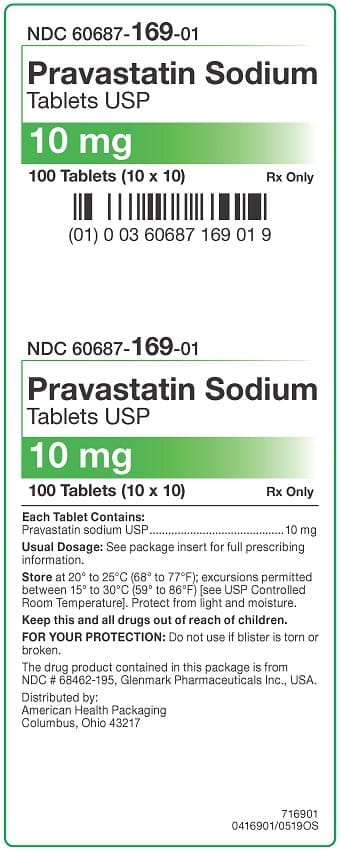
Find suitable medication for Heart Disease
Book a telehealth visit to discuss Heart Disease
Find a doctor
Speciality
State

Video Visit
$69

Video Visit
$69

Video Visit
$69

Video Visit
$69

Video Visit
$69

Video Visit
$69

Speciality: Dermatology, Family Medicine, Men's Health, Urgent Care, Women's health
Speaks: English, Spanish, French, Arabic, Portuguese
Video Visit
$69

Video Visit
$69

Video Visit
$69

Video Visit
$69

Video Visit
$69

Video Visit
$69
Frequently Asked Questions
What does this Heart Disease category page include?
This page groups condition-aligned collections, navigation links, and practical education. It may include related diagnosis pages, common symptom terms, and administrative notes about prescriptions. Some pages focus on chronic conditions, while others cover urgent-event topics. You can use it to compare how different labels relate, like coronary artery disease versus heart failure. It also links to telehealth visit-prep reading, when that content is available.
How do I decide which related condition page to open first?
Start with the most specific term already used in records or prescriptions. Hospital discharge papers and clinic notes often list a primary diagnosis. If the main issue is rhythm, look for arrhythmia or atrial fibrillation language. If the focus is blocked arteries, coronary artery disease is a common starting point. If swelling and shortness of breath dominate, heart failure terms may fit better. This approach keeps browsing organized and reduces confusion.
Can telehealth help with heart-related questions?
Telehealth can help with many non-emergency questions, like reviewing symptoms, medication concerns, and follow-up planning. It can also support chronic condition check-ins when appropriate. Emergency symptoms still need urgent in-person evaluation. Telehealth visits typically involve history review, symptom discussion, and care coordination. If prescriptions are clinically appropriate, a provider may send options to a pharmacy, depending on state rules.
What information is helpful to have ready for a heart health visit?
A current medication list helps the clinician review interactions and side effects. It also helps to gather allergies, recent symptom changes, and any hospital visits. Many people bring recent blood pressure readings, pulse data, and recent lab summaries if available. Device and procedure details matter too, like stents, pacemakers, or valve procedures. Keeping dates and names consistent makes documentation easier and reduces follow-up delays.
When is chest pain an emergency?
Chest pressure, tightness, or pain can have many causes. Some patterns need emergency evaluation, especially when symptoms are new or severe. Call 911 for chest discomfort with sweating, fainting, severe shortness of breath, or sudden weakness. Seek urgent care for persistent or worsening symptoms, even if they come and go. This page cannot diagnose symptoms, so emergency services remain the safest option for concerning signs.
Do prescription items require verification through a pharmacy?
Prescription-only items generally require a valid prescription before dispensing. Pharmacies typically verify the prescription details and patient information, when required by law. If a clinician determines a prescription is appropriate, they may coordinate it with a partner pharmacy, depending on state regulations. Some people prefer cash-pay pathways, often without insurance, when available. Availability can differ by state and by the specific medication category involved.