


Gastroparesis
Care Options and Resources for Gastroparesis
Gastroparesis can make eating unpredictable and daily routines harder to manage. This category page brings together practical information and browsing tools for patients and caregivers. It covers common symptom patterns, likely causes, and how clinicians confirm a diagnosis. It also highlights the types of support that may be used, including nutrition strategies, medications, and procedure discussions.
Use this collection to compare options at a high level, then take questions into a visit. The goal is to reduce guesswork and support organized conversations. Details vary by person, including diabetic, idiopathic, and postsurgical causes. Pregnancy and pediatric cases can also need tailored evaluation.
Gastroparesis What You’ll Find
This browse page focuses on the day-to-day realities of delayed stomach emptying. Many people start here when nausea, early fullness, vomiting, or bloating disrupt meals. Others arrive after diabetes changes, surgery, or medication changes affect digestion. The content is written for practical use, not self-treatment.
Expect plain-language explanations alongside clinical terms. For example, a gastric emptying study (a timed scan of stomach emptying) often comes up. You may also see terms like prokinetic medications (motility-boosting medicines) and antiemetics (anti-nausea medicines). When procedures are discussed, they may include G-POEM procedure (endoscopic pyloromyotomy), pyloromyotomy, or a gastric pacemaker.
- Symptom overviews, including nausea, vomiting, early satiety, and bloating
- Common causes, including diabetic gastroparesis and postsurgical cases
- Diagnosis pathways, including when a gastric emptying study is considered
- Nutrition topics like small frequent meals and low fat low fiber diet approaches
- Terms that show up in care plans, plus questions to raise in a visit
| Term | What it usually means |
|---|---|
| Gastric emptying study | A timed test that measures how fast food leaves the stomach |
| Prokinetic medications | Medicines discussed to support stomach movement and emptying |
| Antiemetics | Medicines discussed to help manage nausea and vomiting |
| Jejunostomy feeding tube | A feeding tube that bypasses the stomach in severe cases |
Telehealth visits can be completed by video with licensed U.S. clinicians.
How to Choose
Gastroparesis care planning often involves several moving parts. Some options focus on nausea and vomiting. Others focus on nutrition, hydration, or identifying triggers. This page helps compare categories of support, so nothing important gets missed.
It can help to scan with a “most disruptive symptom” lens. Nausea-driven flares may lead to different conversations than pain, reflux, or blood sugar swings. A clinician may also weigh risks like dehydration or weight loss. That context can shape what gets discussed first.
Match resources to the main symptom pattern
- Look for coverage of managing nausea and bloating during flares
- Check whether resources explain early fullness and vomiting patterns clearly
- Prefer materials that distinguish reflux from delayed emptying symptoms
- Note whether constipation and small bowel symptoms are mentioned
- Confirm that complication warning signs are covered, not minimized
Bring the right history and records
- Medication lists, including diabetes medicines and pain medicines
- Prior imaging or endoscopy summaries, when available
- Past gastric emptying results, including date and method used
- Nutrition details, like weight changes and tolerated textures
- Key comorbidities, including diabetes and connective tissue disorders
Quick tip: Keep test dates and medication names handy for faster intake forms.
Safety and Use Notes
Gastroparesis symptoms can overlap with other stomach and intestinal conditions. That is why diagnosis often includes ruling out obstruction and reviewing medication effects. Some medicines can slow motility, including opioids and anticholinergics (medicines that block acetylcholine). A clinician can help interpret risks in the full context.
Nutrition conversations are also safety conversations. Low intake can raise dehydration risk and electrolyte problems. For people with diabetes, delayed emptying can complicate timing of glucose changes. Many care plans discuss small frequent meals, texture changes, and a gastroparesis meal plan framework. Foods to avoid with gastroparesis are often high fat or high fiber, but tolerance varies widely.
Appointments use a secure app designed for HIPAA-compliant communication.
Why it matters: Dehydration and poor nutrition can worsen quickly during severe flares.
- Review side effects and interactions for any nausea or motility medicines
- Ask how pregnancy and gastroparesis may change monitoring needs
- Discuss pediatric gastroparesis concerns, including growth and hydration
- Clarify which symptoms suggest complications, like bleeding or fainting
- Confirm when urgent evaluation is appropriate for persistent vomiting
For a neutral medical overview, see this NIH resource: NIDDK guidance on gastroparesis basics.
Access and Prescription Requirements
Some symptom medicines are over-the-counter, while others require a prescription. When prescription products appear in this collection, access depends on clinical review. Pharmacies also follow verification rules for identity, eligibility, and prescription validity. These steps help keep dispensing safe and compliant.
For people managing cash-pay care, options may be available without insurance. Coverage and availability can differ by state and pharmacy policies. A clinician may also request recent labs or records before considering certain therapies. That process can feel administrative, but it protects safety.
- Prescription-only items require a valid prescription from a licensed clinician
- Pharmacies may confirm patient details and medication history
- Some therapies need monitoring discussions before starting or changing
- Medication substitutions depend on clinical appropriateness and regulations
- Procedure discussions, like G-POEM, require specialist evaluation pathways
When appropriate, clinicians may coordinate prescriptions through partner pharmacies under state regulations.
Related Resources
Some people compare gastroparesis resources with information about medicines that affect appetite, nausea, or digestion. GLP-1 medicines can cause nausea in some patients, which can complicate symptom discussions. For a safety-focused overview tied to weight management browsing, see Mounjaro Weight Loss Safety Steps. This can support better questions during a visit.
Gastroparesis support resources often include dietitian visits, symptom tracking templates, and guideline summaries. This page prioritizes clear definitions and practical comparisons. It is built to help organize next steps and reduce repeated searching.
This content is for informational purposes only and is not a substitute for professional medical advice.

Find suitable medication for Gastroparesis

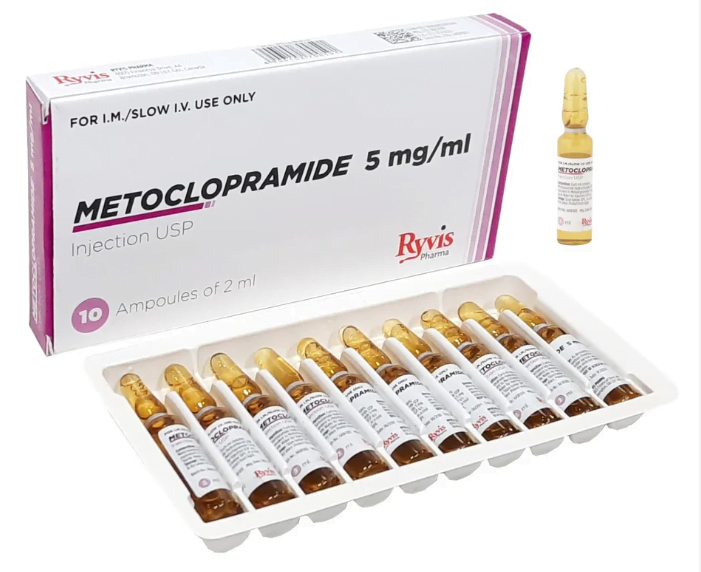

Book a telehealth visit to discuss Gastroparesis
Find a doctor
Speciality
State

Video Visit
$69

Video Visit
$69

Video Visit
$69

Video Visit
$69

Video Visit
$69
Meet Dr. Priya Asija: Board-Certified Family Physician and Wound Care Specialist Committed to Comprehensive CarePriya Asija is a board-certified Family Medicine physician and Wound Care Specialist with more than 15 years of experience. Her work includes primary care, urgent care-style visits, telemedicine, and advanced wound management. She holds a Wound Care Certification (WCC) through NAWCO, is credentialed in hyperbarics, and maintains BLS and ACLS certifications. She is licensed to practice in Texas, Florida, Pennsylvania, Wisconsin, Alabama, Arizona and Illinois.Dedicated to delivering high-quality, patient-centered care, Dr. Asija treats a wide range of acute and chronic medical conditions, provides preventive services, and specializes in wound care and hyperbaric medicine. She is the owner of Brookfield Family Practice, division of SAAK Health Care, partner at SAAK Wound Care Clinic and Hyperbarics, and serves as Medical Director for Wisconsin Wound Pros. Her services include primary care visits, urgent care management, wound evaluations, hyperbaric therapy oversight, telemedicine consultations, and prescription refill appointments when medically appropriate to support continuity of care.Fluent in English, Dr. Asija combines strong clinical expertise with compassionate communication. She collaborates closely with patients and interdisciplinary teams to promote healing, preventive health, and long-term wellness, ensuring accessible and comprehensive care across the states in which she practices.
Read Bio
Speciality: Family Medicine
Speaks: English
Video Visit
$69

Video Visit
$69

Video Visit
$69

Video Visit
$69

Video Visit
$69

Video Visit
$69
Frequently Asked Questions
What will I find on the Gastroparesis category page?
This category page is meant for browsing and education. You can review symptom and diagnosis basics, plus common terms that show up in care plans. You may also see medication categories that are sometimes discussed for nausea or motility, along with access notes. Content is written to support conversations with clinicians, not to replace them. The page also highlights nutrition topics like small frequent meals and lower fat, lower fiber patterns.
How is gastroparesis typically diagnosed?
Diagnosis usually starts with a history and physical exam, plus a review of medications and prior surgery. Clinicians often rule out blockage or other conditions that can mimic symptoms. A gastric emptying study is a common test used to measure delayed stomach emptying. Other evaluations may include labs, imaging, or endoscopy, depending on symptoms and risk factors. The right workup depends on severity, duration, and red-flag symptoms.
What kinds of treatment options are commonly discussed for gastroparesis?
Treatment discussions often combine nutrition changes, symptom control, and management of underlying causes. Nutrition topics may include meal timing, texture changes, and strategies to maintain hydration. Medication discussions may include antiemetics (anti-nausea medicines) and prokinetic medications (motility-supporting medicines), when clinically appropriate. In selected cases, clinicians may discuss procedures like G-POEM or pyloromyotomy, or devices like a gastric pacemaker. Plans vary widely by cause and severity.
How do prescription requirements and verification work on Medispress?
Prescription-only medications require a valid prescription from a licensed clinician. On Medispress, telehealth visits are conducted by video in a secure, HIPAA-aligned app. Clinicians make independent clinical decisions based on the visit and available history. When a prescription is clinically appropriate, providers may send it to partner pharmacies, depending on state rules. Pharmacies may verify identity and prescription details before dispensing.
When should urgent evaluation be considered for severe stomach symptoms?
Urgent evaluation may be appropriate for persistent vomiting, signs of dehydration, fainting, confusion, or inability to keep liquids down. Severe abdominal pain, black or bloody stools, or chest pain also need prompt medical attention. People with diabetes may need faster assessment if symptoms accompany unstable blood sugars. This page can help organize questions and terminology, but it cannot determine urgency for any individual situation. Local emergency services can advise based on symptoms.