


Gastroesophageal Reflux Disease (GERD)
Care Options for Gastroesophageal Reflux Disease (GERD)
Reflux can be uncomfortable, disruptive, and sometimes confusing to track. Gastroesophageal Reflux Disease (GERD) is a common reason people seek reflux care. This category page brings together practical resources and medication navigation in one place. It focuses on common patterns like acid reflux, heartburn, and throat symptoms.
Use this page to compare common approaches and plan questions for a visit. It also helps caregivers organize details for a family member. The goal is clear information, not one-size-fits-all treatment decisions.
Why it matters: Reflux symptoms can overlap with other stomach and chest problems.
Gastroesophageal Reflux Disease (GERD) What You’ll Find
This browse page covers the basics people often search for first. That includes GERD symptoms, GERD causes, and how clinicians think about GERD vs acid reflux. It also explains common GERD triggers, especially when symptoms worsen at night.
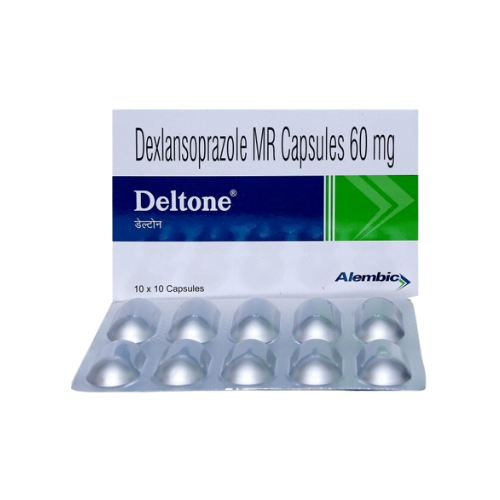
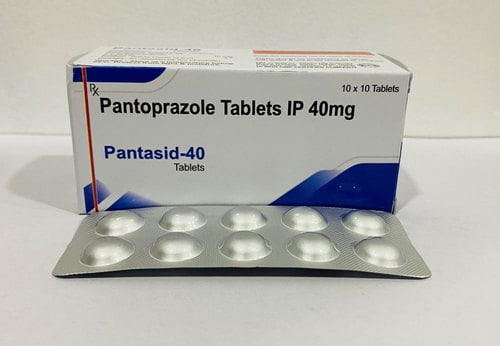
Many listings and guides discuss broad GERD treatment options. That may include lifestyle changes for GERD and a GERD diet framework. Medication information often groups options by class, such as proton pump inhibitors, H2 blockers, and antacids. Some people also look for notes on nocturnal reflux and silent reflux (LPR) (throat-focused reflux).
Medispress visits are video-based with licensed U.S. clinicians.
- Common symptom patterns, including burning, regurgitation, and bitter taste
- Medication class overviews, with typical use-cases and label reminders
- Non-medication strategies often discussed in care plans
- Special situations, like GERD in pregnancy and pediatric GERD
- Possible complications to understand, such as esophagitis (esophagus inflammation)
How to Choose
Reflux care often starts with good organization and clear questions. This category page can support Gastroesophageal Reflux Disease (GERD) conversations with a clinician. It helps to compare options based on symptoms, risks, and practical constraints.
Match Symptoms And Patterns
- Frequency and timing, including after meals or during sleep
- Primary sensation, like heartburn versus sour regurgitation
- Throat or voice symptoms that may align with LPR
- Known GERD triggers, including certain meals, alcohol, or late eating
- Sleep disruption and suspected nocturnal reflux
- History of hiatal hernia and GERD discussed in prior visits
Review Medicine Type And Practical Fit
- Whether an option is OTC or requires a prescription
- Other medicines in the household, to avoid interaction surprises
- Label warnings for pregnancy, breastfeeding, or pediatrics
- How long symptoms have persisted, and how often they recur
- What to track before a visit, like meals, sleep, and symptom timing
For a simple tracking approach, see Simple Tips For Acid Reflux. It can help people document patterns without guessing causes.
Safety and Use Notes
For Gastroesophageal Reflux Disease (GERD), safety depends on the medicine type and the person. OTC products still carry warnings, especially with other conditions or medicines. Prescription options also require clinician review for risks and follow-up needs.
Some symptoms need prompt evaluation, even if reflux seems likely. Examples include trouble swallowing, vomiting blood, black stools, unexplained weight loss, or persistent chest pain. Anyone with sudden chest pain should seek emergency evaluation. These issues can signal problems beyond acid reflux.
The Medispress app uses HIPAA-grade safeguards for privacy.
- Antacids can affect absorption of some medicines and supplements
- H2 blockers may not suit everyone with liver or kidney concerns
- Proton pump inhibitors are not right for every long-term plan
- Silent reflux symptoms can overlap with allergy or infection symptoms
- Long-standing reflux can relate to Barrett’s esophagus (cell changes)
Quick tip: Keep a short symptom log for meals, sleep, and timing.
For a general overview, see NIDDK GERD overview. For patient guidance, review ACG acid reflux information.
Access and Prescription Requirements
Some reflux options are available over the counter, while others are prescription-only. Prescription rules for Gastroesophageal Reflux Disease (GERD) medications vary by product and state. Many people prefer cash-pay access, sometimes without insurance, for simpler checkout.
When a prescription is needed, pharmacies typically verify it before dispensing. During a telehealth visit, clinicians review symptoms, medical history, and current medicines. When clinically appropriate, they may send a prescription to a partner pharmacy. State regulations can shape what is available and how it is dispensed.
Clinicians decide whether treatment is appropriate after reviewing symptoms.
- Have a current medication list, including supplements and OTC products
- Share allergy history and any prior reflux diagnoses
- Note pregnancy, breastfeeding, and pediatric considerations when relevant
- Document symptom timing, including nighttime symptoms and triggers
Related Resources
Some people prefer to browse condition-specific collections by name. For another browse view, see Gastroesophageal Reflux Disease. Use these notes to track Gastroesophageal Reflux Disease (GERD) patterns over time. Clear documentation can make visits more efficient and less stressful.
- Common foods to avoid with GERD discussed in many care plans
- Household factors, like late meals, tight clothing, or stress
- Prior diagnoses, including esophagitis or a known hiatal hernia
- Questions about medication class differences and label warnings
This content is for informational purposes only and is not a substitute for professional medical advice.

Find suitable medication for Gastroesophageal Reflux Disease (GERD)

Book a telehealth visit to discuss Gastroesophageal Reflux Disease (GERD)
Find a doctor
Speciality
State

Video Visit
$69

Video Visit
$69

Video Visit
$69

Video Visit
$69

Video Visit
$69

Video Visit
$69

Speciality: Dermatology, Family Medicine, Men's Health, Urgent Care, Women's health
Speaks: English, Spanish, French, Arabic, Portuguese
Video Visit
$69

Video Visit
$69

Video Visit
$69

Video Visit
$69

Video Visit
$69

Video Visit
$69
Frequently Asked Questions
What is included on this Gastroesophageal Reflux Disease category page?
This category page focuses on practical reflux navigation and education. It may include medication classes often used for reflux, such as antacids, H2 blockers, and proton pump inhibitors. It also highlights common symptom patterns, triggers, and non-medication topics like GERD diet discussions. Some resources address special situations, including pregnancy and pediatrics. The page supports browsing and planning questions for a clinician, rather than making treatment decisions.
How are acid reflux and GERD different?
Acid reflux describes stomach contents moving back into the esophagus. GERD is the term clinicians use when reflux is frequent, persistent, or causes complications. People may have occasional heartburn without meeting criteria for GERD. A clinician considers symptom frequency, response to changes, and any warning signs. They may also consider other causes of chest or throat symptoms. Clear symptom timing notes can help differentiate patterns during an evaluation.
What types of GERD medications might be listed?
GERD medication options are usually grouped by class. Common classes include antacids, H2 blockers, and proton pump inhibitors. Some products are over the counter, while others require a prescription. Listings and guides often describe what each class is used for and key label warnings. They may also note interaction considerations with other medicines. A clinician can help match options to symptoms, history, and risk factors.
When do reflux symptoms need urgent evaluation?
Some symptoms should not be assumed to be reflux. Urgent evaluation is important for chest pain, severe shortness of breath, fainting, vomiting blood, black stools, or sudden weakness. Trouble swallowing, persistent vomiting, or unexplained weight loss also need timely medical review. These symptoms can signal bleeding, blockage, infection, or heart-related problems. When in doubt, emergency services or urgent care can help rule out serious causes.
Can telehealth be used to discuss GERD concerns?
Telehealth can be useful for reviewing symptoms, triggers, and medication history. Visits can also help organize next steps and clarify which options are OTC versus prescription. Medispress uses video visits with licensed U.S. clinicians through a HIPAA-conscious app. Clinicians make clinical decisions during the visit. When appropriate, they may coordinate prescription routing through partner pharmacies, following state regulations. Some symptoms still require in-person evaluation or emergency care.