


Gastroesophageal Reflux Disease
Care Options for Gastroesophageal Reflux Disease
Gastroesophageal reflux disease (GERD) can feel like frequent heartburn or regurgitation. Many people also describe a burning chest sensation after meals. This browse page collects practical information and common care pathways for Acid reflux. It also supports caregivers comparing options for adults and children.
Use this collection to review GERD symptoms, likely triggers, and typical GERD treatment options. You can also compare medication classes and learn what often requires a prescription. Content here stays educational and administrative, not personal medical advice.
Quick tip: Track meals, timing, and sleep position to spot patterns.
Acid reflux: What You’ll Find
This category focuses on ways people commonly manage reflux over time. It covers everyday terms like heartburn and clinical terms like reflux esophagitis (esophagus irritation). It also explains how GERD differs from occasional indigestion or short-lived heartburn.
As you browse, look for plain-language explanations of GERD causes and common GERD triggers. You will see over-the-counter options alongside prescription-only therapies, depending on what is listed. Some listings focus on symptom relief, while others focus on reducing acid exposure.
Medispress video visits connect patients with licensed U.S. clinicians for evaluation.
Many people also want clarity on acid reflux vs GERD wording. Acid reflux often describes the symptom, while GERD describes a recurring condition. The collection also touches on nighttime acid reflux, silent reflux LPR (throat reflux), and hiatal hernia and GERD.
- Common terms and definitions for GERD and heartburn
- Medication class overviews, including OTC and prescription categories
- Diet and lifestyle themes, like GERD diet and foods to avoid with GERD
- Administrative notes on prescriptions, verification, and pharmacy coordination
How to Choose
Choosing among GERD medications starts with clear goals and constraints. Some people prioritize faster symptom relief, while others focus on prevention. Others need options that fit shift work, travel, or pregnancy and GERD considerations.
When comparing options, it helps to separate symptom patterns from assumptions. Note timing after meals, nighttime symptoms, and throat irritation. That context can support a clinician conversation about Acid reflux without guessing causes.
Compare medication classes, not just brand names
- Identify whether the option is an antacid, H2 blocker, or proton pump inhibitor (PPI).
- Check if it is OTC or requires a prescription in the U.S.
- Review labeled warnings and interaction notes on official packaging.
- Consider whether symptoms happen mainly at night or after meals.
- Flag special situations, like GERD in children or pregnancy symptoms.
| Category | Common purpose | What to compare |
|---|---|---|
| Antacids | Short-term relief | Ingredient type and labeled limits |
| H2 blockers (histamine-2 blockers) | Reduce acid production | OTC vs Rx status and warnings |
| Proton pump inhibitors (PPIs) | Longer-acting acid reduction | Duration guidance and interaction cautions |
Match resources to the decision you are making
- If symptoms are new, focus on definitions, triggers, and when to see a doctor for GERD.
- If symptoms persist, focus on safety notes and clinician discussion points.
- If shopping for related items, focus on storage and labeled use directions.
- If caring for a child, look for age-specific guidance and red flags.
Safety and Use Notes
GERD symptoms can overlap with other conditions that need different care. Chest discomfort can have non-reflux causes, including heart conditions. Ongoing symptoms also raise questions about GERD complications like Barrett's esophagus.
Many products carry important warnings, even when they are OTC. Labels may note kidney, liver, or interaction concerns, especially with long-term use. A clinician can help interpret risks when medications overlap.
Appointments are completed in a secure, HIPAA-aligned mobile app.
Why it matters: Persistent symptoms can signal irritation that deserves timely evaluation.
- Seek urgent care for severe chest pain, fainting, or trouble breathing.
- Promptly address trouble swallowing, vomiting blood, or black stools.
- Report unexplained weight loss or persistent vomiting to a clinician.
- Ask about silent reflux LPR when throat symptoms persist without heartburn.
- Discuss chronic heartburn management if symptoms return after stopping OTC use.
Medication choices can also affect daily routines. Some people notice worse symptoms with late meals or alcohol. Others identify specific GERD triggers, such as spicy foods or large portions.
Access and Prescription Requirements
Some reflux options are available OTC, while others require a prescription. Requirements depend on the medication class and local regulations. Listings on this page may include both product access and visit options.
When a prescription is needed, a clinician typically reviews symptoms and medical history. They may also review current medicines for interactions. For many people, cash-pay options can work without insurance, depending on eligibility and state rules.
When appropriate, clinicians can coordinate prescription routing through partner pharmacies, subject to state regulations.
In general, prescription processing may include identity checks and prescription verification. Licensed dispensing partners handle medications when fulfillment is allowed. Acid reflux care can also include non-prescription supports, like diet planning and lifestyle changes for GERD.
- Rx status varies by medication and strength, so check the listing details.
- Keep an updated medication list to reduce avoidable interaction risks.
- Have allergy history available for administrative intake questions.
- For caregivers, note symptoms timing and any growth or feeding concerns.
- Plan ahead for travel, since state rules can affect dispensing.
Cash-pay access without insurance can simplify checkout for some people. It still requires the same prescription standards when an Rx is involved.
Related Resources
For a practical lifestyle starting point, browse How To Get Rid Of Acid Reflux With Simple Tips. For a closely related condition collection, see Gastroesophageal Reflux Disease GERD. For independent medical references, see a plain-language overview from MedlinePlus and a clinical summary from NIDDK.
This content is for informational purposes only and is not a substitute for professional medical advice.

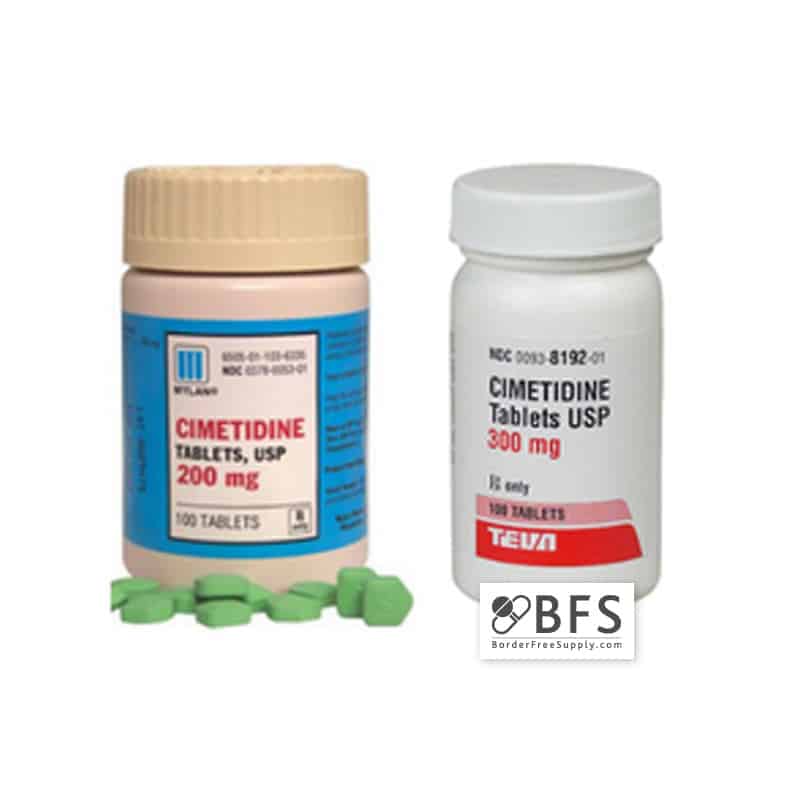
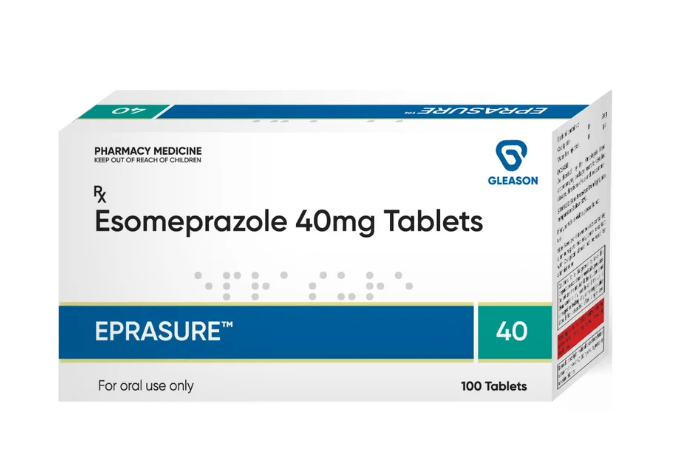
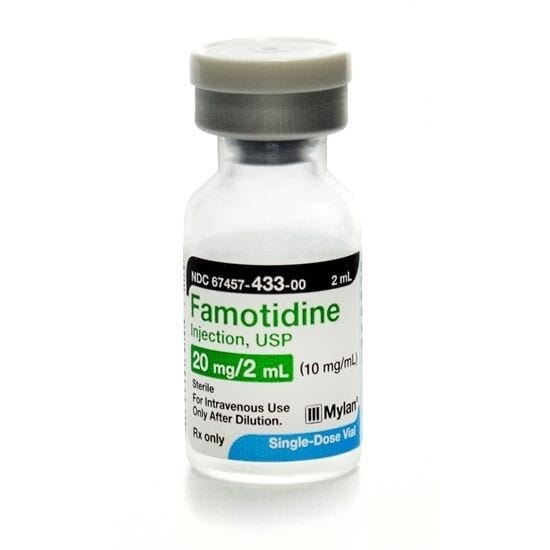
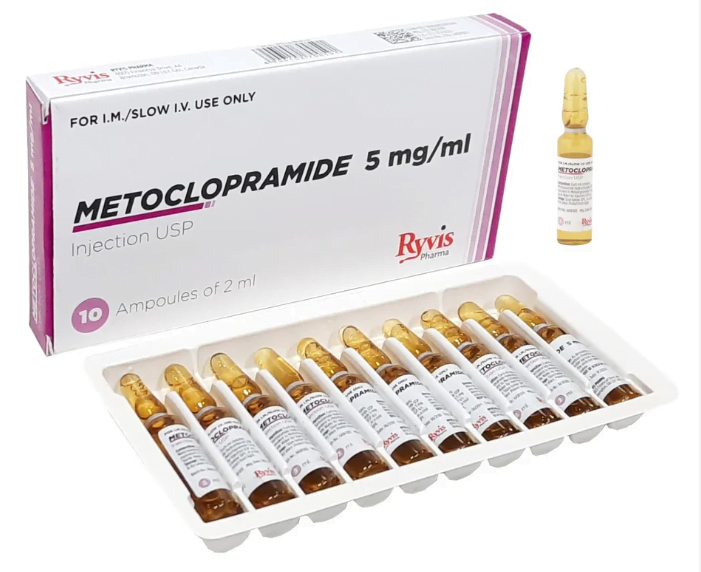
Find suitable medication for Gastroesophageal Reflux Disease

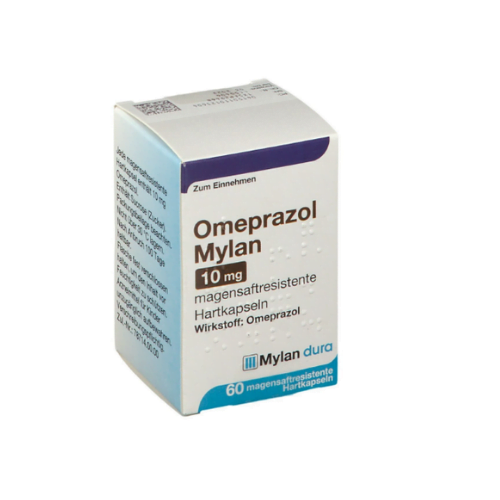

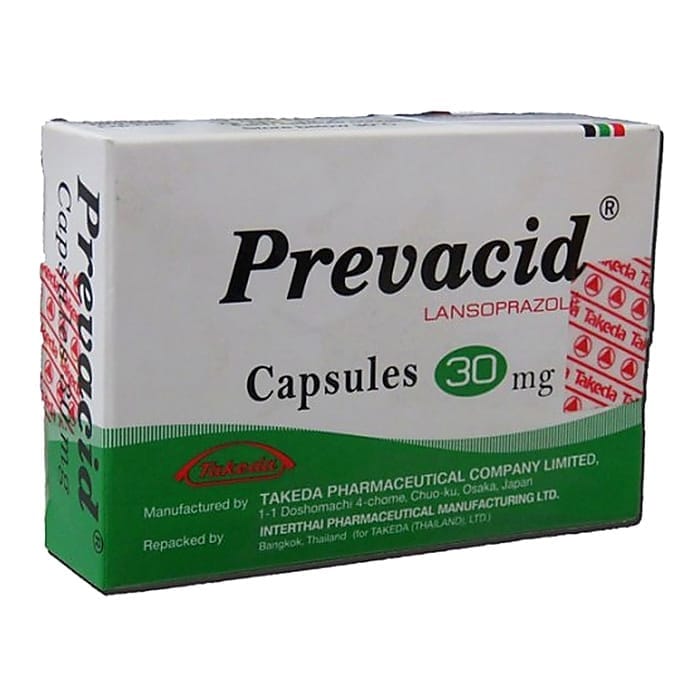

Book a telehealth visit to discuss Gastroesophageal Reflux Disease
Find a doctor
Speciality
State

Video Visit
$69

Video Visit
$69

Video Visit
$69

Video Visit
$69

Video Visit
$69

Video Visit
$69

Speciality: Dermatology, Family Medicine, Men's Health, Urgent Care, Women's health
Speaks: English, Spanish, French, Arabic, Portuguese
Video Visit
$69

Video Visit
$69

Video Visit
$69

Video Visit
$69

Video Visit
$69

Video Visit
$69
Frequently Asked Questions
What’s the difference between GERD and occasional heartburn?
Heartburn describes a burning feeling that can happen after certain meals. GERD is a medical term for reflux symptoms that recur over time. People with GERD may notice heartburn, sour taste, cough, or throat irritation. Some also have nighttime symptoms that disturb sleep. A clinician considers frequency, severity, and related symptoms before labeling it GERD. This page helps compare common terms and care pathways, but it cannot diagnose conditions.
What information should I gather before a telehealth visit for GERD?
It helps to have a short symptom timeline and a current medication list. Note when symptoms occur, such as after meals or at night. Include any OTC products already tried and any side effects noticed. List allergies and major medical conditions, if known. Caregivers can note a child’s feeding patterns and discomfort timing. A clinician may use this context to discuss next steps, including whether prescription options fit.
Are proton pump inhibitors and H2 blockers the same thing?
They are different medication classes that reduce stomach acid in different ways. H2 blockers (histamine-2 blockers) decrease acid signals at the stomach lining. Proton pump inhibitors (PPIs) reduce acid production more directly, and often last longer. Both classes can have warnings and interaction considerations. Some products are OTC, while others require a prescription. A clinician can help interpret which class aligns with symptoms and medical history.
When is reflux a medical urgent problem?
Some symptoms need prompt medical attention because they may signal something more serious. Seek urgent care for severe chest pain, trouble breathing, fainting, or confusion. Get evaluated quickly for vomiting blood, black stools, or persistent vomiting. Trouble swallowing, choking, or unexplained weight loss also deserves timely assessment. These symptoms are not specific to GERD and can have other causes. This page offers general safety context, not emergency guidance.
Can this category page be useful for children or during pregnancy?
Yes, it can help with browsing and organizing questions for a clinician. GERD in children can look different than in adults. Pregnancy and GERD also raises unique comfort and safety considerations. This page highlights medication classes and administrative access notes, including which items may require a prescription. However, medication choices in these groups can be more sensitive. A licensed clinician should review symptoms and medical history before recommending treatment.